When a business is small, many rules live in the owner’s head and decisions are made case by case. That flexibility works for a while. As the team grows, however, inconsistency creeps in. One manager allows remote work, another does not. One employee is disciplined for lateness, another is not. Someone asks how much parental leave they can take, and nobody knows. A complaint arrives, and there is no clear process for handling it. Workplace policies solve these problems by setting out expectations, rights and procedures in writing, so that everyone is treated fairly and the business is protected.
This guide explains which workplace policies most organisations need, what each should cover, how to write policies that people actually read, how to communicate and enforce them, how policies interact with employment contracts and local law, how they affect insurance and risk, and how small businesses can build a practical policy set without unnecessary complexity. Because legal requirements vary significantly between countries, regions and industries, treat this as a general framework and seek local legal advice when drafting.
Table of Contents
Why Written Policies Matter
Written policies serve several purposes at once. They tell employees what is expected of them and what they can expect from the employer. They help managers make consistent decisions. They demonstrate compliance with legal obligations. They provide a clear basis for addressing misconduct or disputes. They can also support the organisation’s defence if an employment claim arises, because tribunals and courts often look at whether reasonable policies existed and were followed. Insurers offering employment practices liability cover frequently ask whether key policies are in place.
Policies Versus Procedures Versus Contracts
A policy states the organisation’s position and rules on a topic, such as its commitment to preventing harassment. A procedure explains the steps to follow, such as how to report harassment and how complaints will be investigated. An employment contract sets out the individual terms agreed between employer and employee, such as pay, hours and notice periods. Policies are often non-contractual, meaning the employer can update them, while contractual terms usually require agreement to change. Make the status of each policy clear to avoid disputes.
Core Policies Most Organisations Need
| Policy | Main Purpose | Key Contents | Risk If Missing |
|---|---|---|---|
| Code of conduct | Set behavioural standards | Values, expected behaviour, conflicts of interest | Inconsistent standards, ethical lapses |
| Equal opportunity and anti-discrimination | Ensure fair treatment | Protected characteristics, fair processes, complaints route | Discrimination claims |
| Anti-harassment and bullying | Prevent and address harassment | Definitions, reporting, investigation, protection from retaliation | Legal liability, harm to employees |
| Health and safety | Protect people from harm | Responsibilities, risk assessment, incident reporting | Injuries, fines, workers’ compensation claims |
| Disciplinary procedure | Address misconduct fairly | Stages, investigation, hearings, appeals | Unfair dismissal claims |
| Grievance procedure | Resolve employee complaints | Informal and formal steps, timescales, appeals | Escalated disputes, constructive dismissal claims |
| Leave and absence | Clarify entitlements | Holiday, sickness, parental and family leave | Confusion, non-compliance with leave laws |
| Data protection and privacy | Protect personal data | Handling, storage, rights, breach reporting | Regulatory penalties, breaches |
| IT and acceptable use | Govern technology use | Devices, passwords, email, internet, monitoring | Security incidents, misuse |
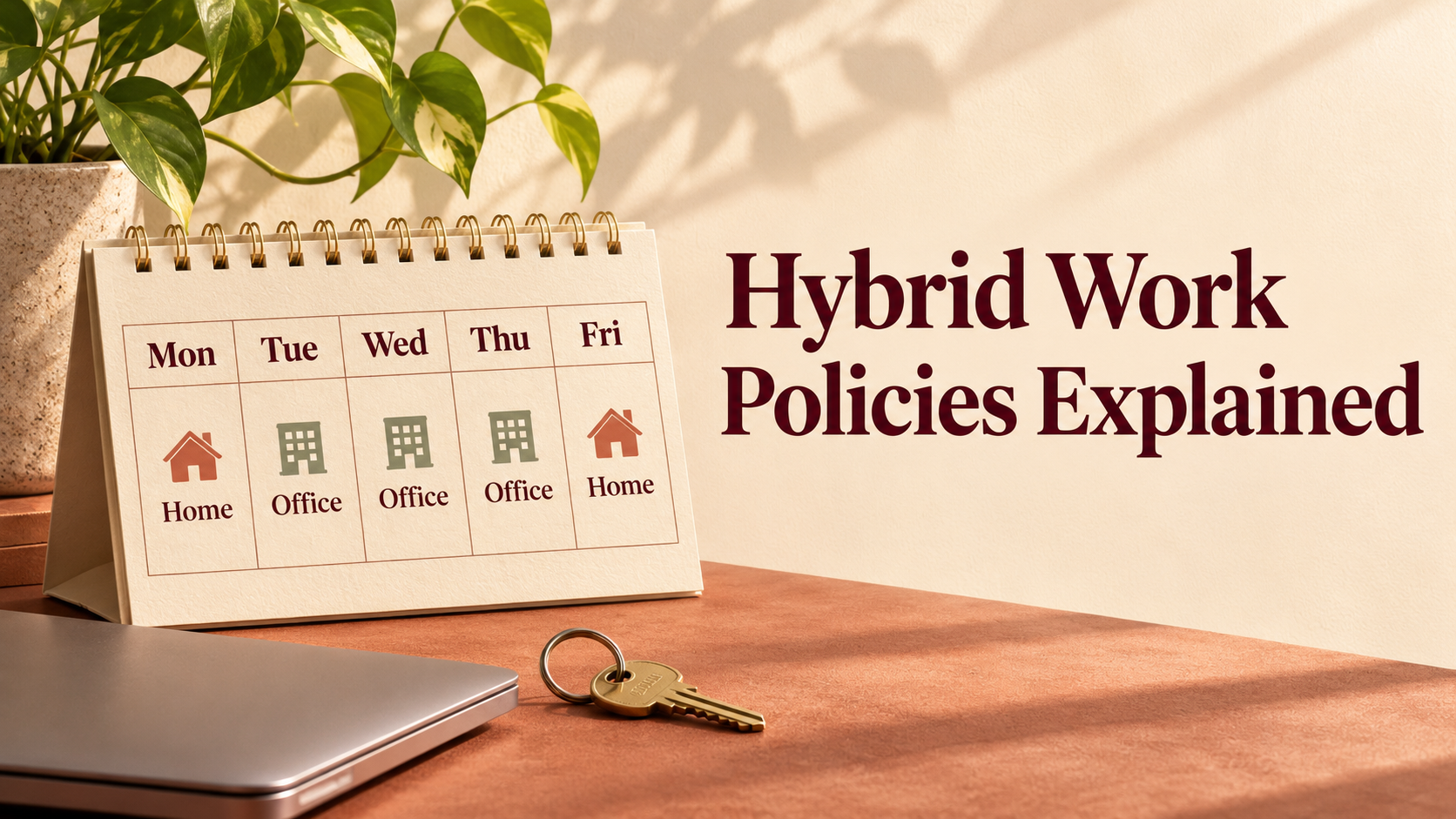
| Remote and hybrid work | Set flexible work rules | Eligibility, equipment, security, expenses | Inconsistency, tax and safety gaps |
| Whistleblowing | Enable reporting of wrongdoing | Reporting channels, confidentiality, protection | Hidden fraud, legal penalties |
| Expenses and travel | Control spending | Allowable costs, approvals, receipts | Overspending, tax issues |
Code of Conduct
A code of conduct sets out the behaviour expected from everyone in the organisation. It typically covers honesty, respect, conflicts of interest, gifts and hospitality, confidentiality, use of company resources, social media conduct and compliance with laws. A good code explains the reasons behind expectations and gives practical examples. It should apply to leaders as much as to front-line staff.
Equal Opportunity, Anti-Harassment and Bullying
These policies commit the organisation to fair treatment and define unacceptable behaviour. They should explain what counts as discrimination, harassment, sexual harassment, bullying and victimisation, with examples. They must set out how employees can report concerns, including routes that bypass their own manager, how complaints will be investigated and how people who raise concerns will be protected from retaliation. In many jurisdictions, employers may be held liable for harassment by employees unless they took reasonable steps to prevent it, so training and active enforcement matter as much as the written policy.
Health and Safety
A health and safety policy describes how the organisation manages risks to people. It usually includes a statement of commitment, the responsibilities of leaders, managers and employees, arrangements for risk assessments, training, equipment, emergency procedures, first aid and incident reporting. Many jurisdictions legally require a written safety policy once an employer reaches a certain size. Effective safety management reduces injuries, protects workers’ compensation costs and supports insurance renewals, because insurers often review claims history and safety arrangements when setting premiums.
Disciplinary and Grievance Procedures
Disciplinary procedures explain how misconduct and poor performance will be handled, typically through investigation, a meeting where the employee can respond, a decision and a right of appeal. They should distinguish between minor issues and gross misconduct. Grievance procedures explain how employees can raise complaints about their work, colleagues or treatment. Both should be fair, consistent and follow any statutory codes or legal requirements in your jurisdiction. Following a fair process is often central to defending dismissal claims.
Leave and Absence Policies
Leave policies clarify entitlements to annual holiday, public holidays, sick leave and pay, parental leave, bereavement leave, caring leave and other types of absence. They explain how to request leave, how to report sickness and what evidence may be required. Legal minimum entitlements vary widely, and many employers offer more generous terms. Make sure the policy matches both the law and employment contracts.
Data Protection, IT and Security
A data protection policy explains how personal data about employees, customers and others is collected, used, stored, shared and deleted, and how individuals can exercise their rights. An IT and acceptable use policy covers devices, passwords, email, internet use, software installation and any monitoring of systems. Together with information security procedures, these policies help prevent data breaches. Cyber insurance policies often require specific security controls, such as multi-factor authentication and regular backups, and failure to meet them may affect claims, so align policies with insurer requirements.
Remote Work, Social Media and Other Modern Policies
Changing work patterns have created demand for additional policies. Remote and hybrid work policies set eligibility, equipment, security and expense rules. Social media policies explain expectations for employees posting about work, protecting confidential information and avoiding harassment online, while respecting lawful personal expression. Some organisations also need policies on the use of artificial intelligence tools, covering confidentiality, accuracy and approved uses.
Whistleblowing and Anti-Bribery
Whistleblowing policies provide safe channels for reporting fraud, illegal activity, safety risks or serious misconduct, and protect people who report in good faith. Anti-bribery and corruption policies are particularly important for organisations dealing with government officials or operating internationally, as many countries impose serious penalties for bribery, sometimes including liability for failing to prevent it.
Writing Policies People Actually Read
- Use plain language and short sentences
- Start each policy with its purpose and who it applies to
- Include practical examples and frequently asked questions
- Keep policies concise and move detailed steps into procedures
- Use consistent formatting across all policies
- State who owns the policy and when it was last reviewed
- Make clear whether the policy is contractual or non-contractual
Communicating and Enforcing Policies
A policy that nobody knows about provides little protection. Introduce key policies during onboarding, store them in an easily accessible place and ask employees to confirm they have read important ones. Train managers on how to apply policies consistently. Provide refresher training on high-risk areas such as harassment, safety and data protection. Most importantly, enforce policies fairly. Inconsistent enforcement undermines trust and can create grounds for discrimination claims if similar situations are treated differently.
Reviewing and Updating Policies
Laws, technology and working practices change. Review policies at least annually and whenever there are relevant legal changes, incidents or organisational changes. Where policies are contractual, or where local law requires consultation, involve employees or their representatives before making changes. Record the date of each review and communicate updates clearly.
Policies for Small Businesses
Small businesses do not need dozens of lengthy policies on day one, but they should cover the essentials. A practical starting set might include a code of conduct, anti-harassment and equal opportunity policy, health and safety policy, disciplinary and grievance procedures, leave and absence policy and data protection policy. These can be combined into a single employee handbook. Some legal requirements apply regardless of size, so check local rules. As the business grows, add policies on remote work, expenses, IT security and whistleblowing.
A Fictional Example
Copperleaf Catering, a fictional events company with 35 permanent staff and many seasonal workers, had no written policies. After a dispute over unpaid holiday and a complaint about inappropriate comments from a supervisor, the owner realised the business was exposed. With help from an employment adviser, Copperleaf created a concise employee handbook covering conduct, harassment, safety, leave, discipline, grievances and data protection. Managers received training, and seasonal staff completed a short induction covering key rules. The following year, disputes fell, and the company’s insurer noted the improved arrangements at renewal.
Tips for an Effective Policy Set
- Start with legally required and high-risk policies
- Seek local legal advice, because requirements vary widely
- Keep policies short, clear and practical
- Combine core policies into an accessible employee handbook
- Train managers to apply policies consistently
- Align security and safety policies with insurer requirements
- Review and update policies at least once a year
Common Mistakes and Misconceptions
- Copying policies from another company or country without adapting them
- Writing policies in dense legal language nobody understands
- Creating policies but never communicating or enforcing them
- Applying rules inconsistently across employees
- Letting policies become outdated as laws change
- Assuming small businesses are exempt from all policy requirements
- Confusing non-contractual policies with contractual terms
Final Thoughts
Workplace policies are the rulebook that keeps an organisation fair, consistent and legally protected as it grows. The essentials usually include a code of conduct, equal opportunity and anti-harassment policies, health and safety arrangements, disciplinary and grievance procedures, leave rules, data protection and IT security, with remote work, whistleblowing and expenses policies added as needed. Good policies are written in plain language, communicated clearly, applied consistently and reviewed regularly. They support managers in making fair decisions, help employees understand their rights and responsibilities and strengthen the organisation’s position with regulators, courts and insurers. Because legal requirements vary by location and industry, seek local advice when drafting. A concise, well-maintained policy set is far more valuable than a thick binder nobody opens.
Frequently Asked Questions
1. Are workplace policies legally required?
Some are, depending on the jurisdiction, industry and size of the organisation. For example, many places require written health and safety arrangements or disciplinary procedures once an employer reaches a certain size. Even where not required, policies help demonstrate compliance with employment laws.
2. Should policies be part of the employment contract?
Most organisations keep policies non-contractual so they can be updated as needed, while core terms such as pay, hours and notice periods sit in the contract. The contract should state clearly which documents are contractual.
3. How often should workplace policies be reviewed?
At least once a year is a common practice, plus whenever relevant laws change, an incident reveals a gap or the organisation changes significantly.