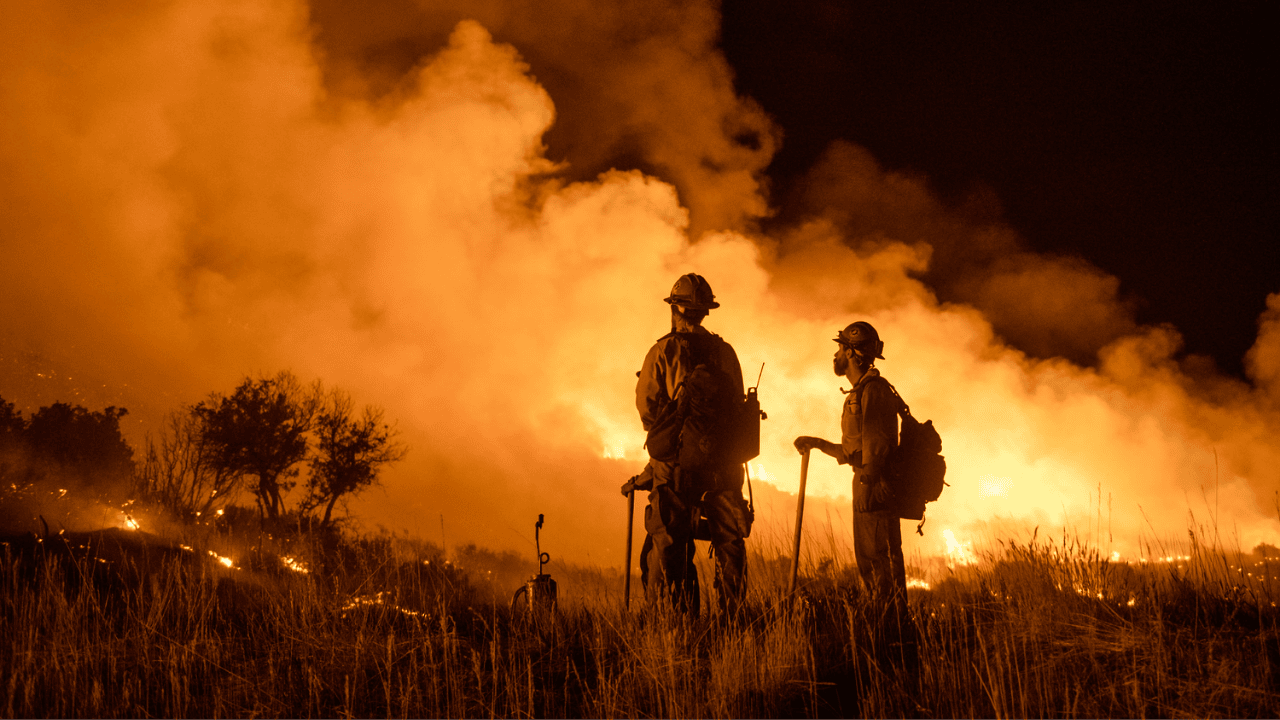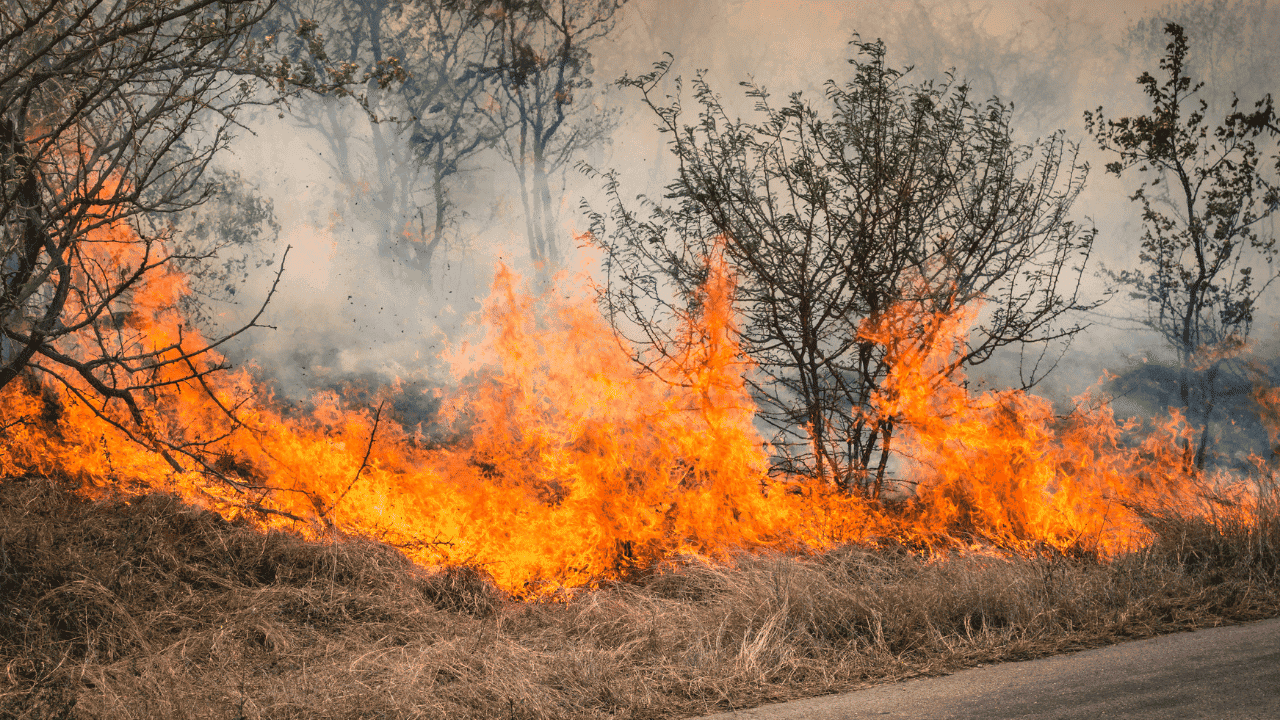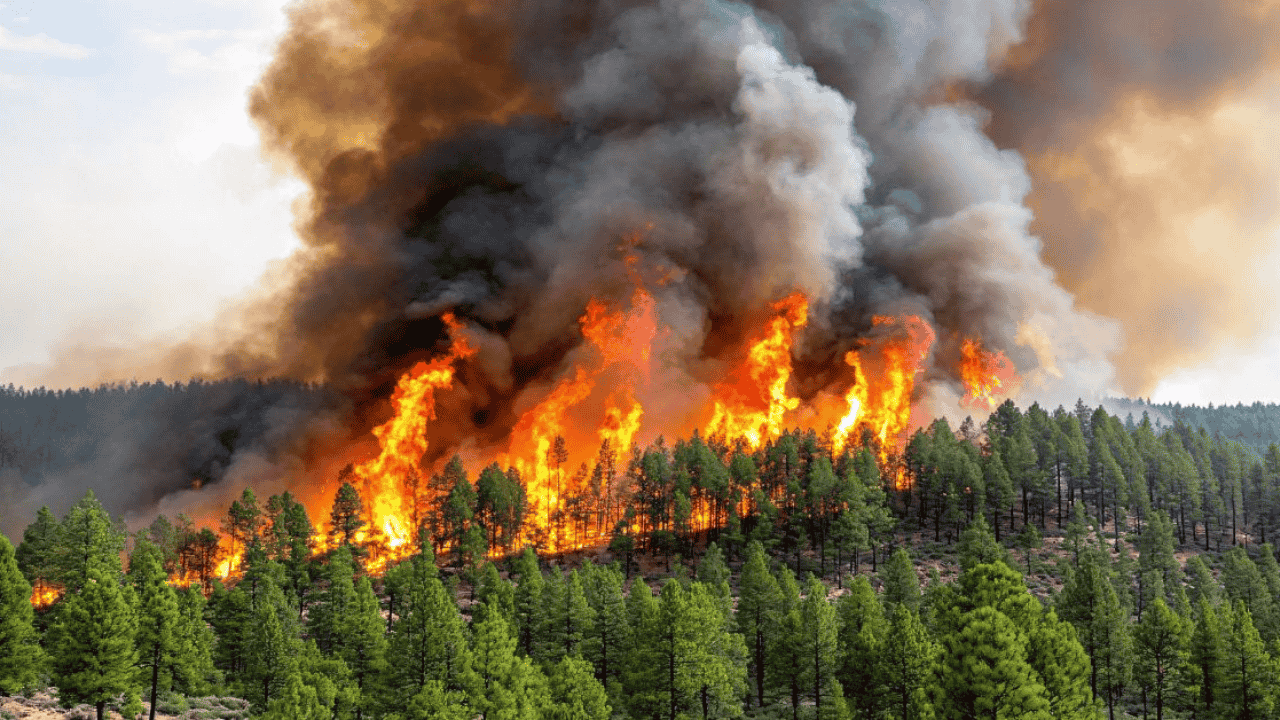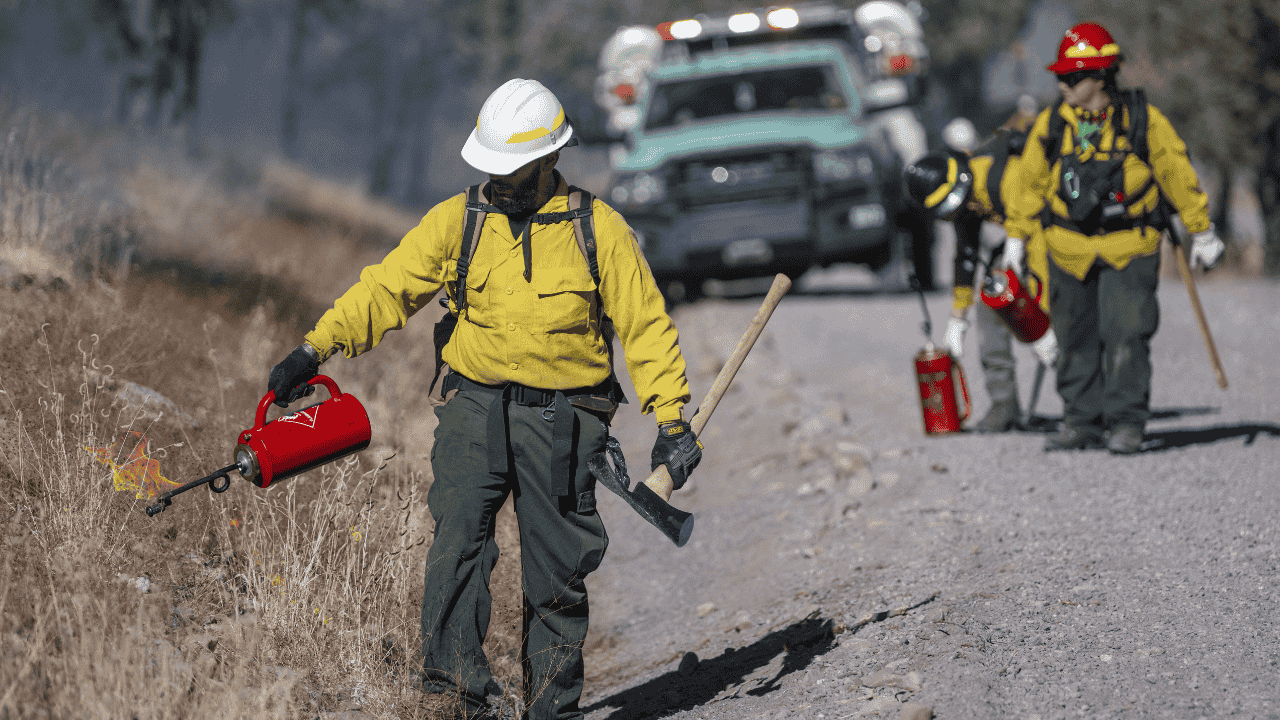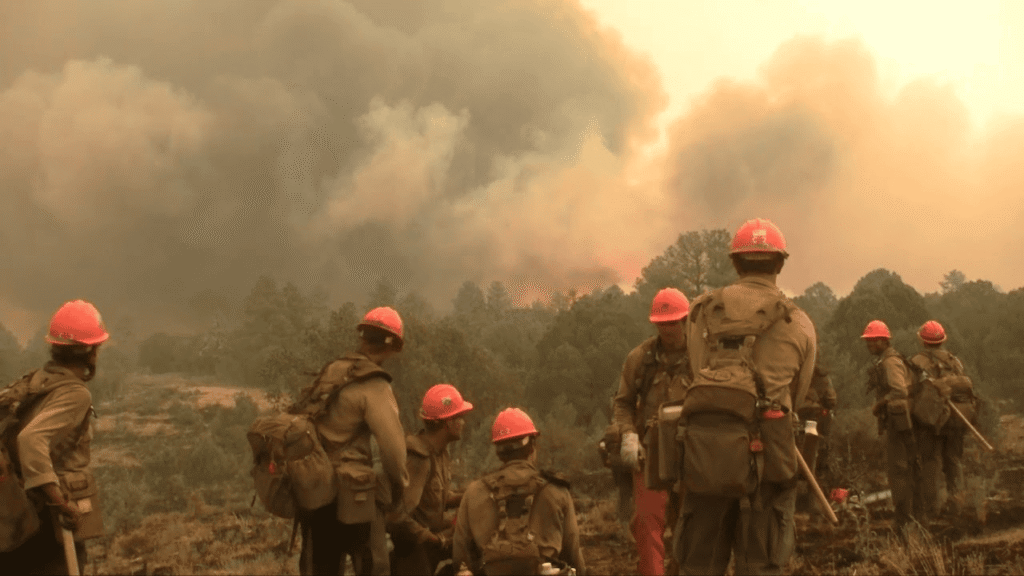
Wildfires continue to pose serious threats to communities, ecosystems, and infrastructure across the United States. The National Cohesive Wildland Fire Management Strategy provides a framework to improve wildfire management through collaboration, science-based planning, and community engagement. The 7th Annual Cohesive Fire Strategy Workshop, held in September 2024, brought together federal, state, tribal, and local stakeholders to review progress, share best practices, and develop actionable strategies for increasing wildfire resilience nationwide. This gathering highlighted key trends, emerging challenges, and effective solutions for addressing wildfire risks in an evolving climate landscape.
Table of Contents
Overview
| Aspect | Key Points |
|---|---|
| Workshop Name | 7th Annual National Cohesive Wildland Fire Strategy Workshop |
| Dates | September 16–19, 2024 |
| Location | Atlantic City, New Jersey |
| Participants | Federal, state, tribal, and local partners |
| Focus Areas | Community preparedness, science integration, policy implementation, capacity building |
| Outcomes | Actionable strategies, cross-jurisdictional collaboration, and knowledge sharing |
Strategy Insights
The workshop reinforced the three foundational goals of the Cohesive Strategy:
- Resilient landscapes capable of withstanding natural fire events
- Fire-adapted communities are prepared to minimize damage and loss
- Safe, effective wildfire response through coordinated actions
Discussion sessions highlighted progress in implementing these goals, emphasizing the importance of cross-agency cooperation and strategic planning. Participants noted that wildfire risk is growing due to climate change, increased development in the wildland-urban interface, and evolving fire behavior patterns, making coordinated national and regional strategies more crucial than ever.
Community Focus
Community engagement was a central theme. The workshop underscored that local stakeholders play a critical role in wildfire preparedness, risk reduction, and response planning. Fire-adapted communities rely on informed residents, local planning, and mitigation actions such as defensible space creation and fuel treatment programs.
Attendees shared success stories demonstrating how community-driven initiatives can significantly reduce wildfire risk. Emphasis was placed on education campaigns, outreach, and involving residents in emergency planning, evacuation drills, and local risk assessments.
Collaborative Approaches
Collaboration across jurisdictions and agencies emerged as a major takeaway. Wildfires do not follow political boundaries, so coordinated planning among federal, state, tribal, and local agencies is essential.
The workshop featured interactive sessions to enhance shared understanding and improve communication between wildfire managers, policymakers, and community representatives. This collaborative approach ensures faster decision-making, better resource allocation, and unified responses during wildfire events.
Science Integration
Science played a pivotal role in shaping workshop discussions. Participants explored ways to integrate research, predictive models, and data tools into wildfire management and planning.
The workshop emphasized bridging the gap between science and practice, ensuring that fire managers can apply data-driven strategies for risk assessment, fire modeling, and decision-making. This integration enhances both community safety and landscape resilience, offering actionable insights to prevent catastrophic losses.
Policy Implications
The workshop provided clarity on policy challenges and opportunities. Implementing the Cohesive Strategy requires alignment across multiple levels of government, including funding allocations, regulatory frameworks, and collaborative fire management policies.
Key discussions addressed barriers such as jurisdictional overlaps, inconsistent funding streams, and the need for standardized protocols. Recommendations focused on aligning policies with community needs while maintaining flexible approaches to adapt to rapidly changing wildfire environments.
Practical Recommendations
- Strengthen Community Wildfire Protection Plans (CWPPs)
- Expand training and capacity-building programs for local agencies
- Increase public outreach and wildfire education campaigns
- Promote cross-boundary coordination for emergency response
- Integrate science and technology in risk assessments and planning
These takeaways emphasize actionable steps that can be implemented immediately at the community and agency levels, ensuring that lessons from the workshop translate into measurable improvements in wildfire management.
Capacity Building
The workshop highlighted the importance of building skills and knowledge among participants. This included training for fire personnel, community leaders, and planners to enhance preparedness and response effectiveness.
Peer-to-peer learning sessions enabled the sharing of best practices, innovative tools, and lessons learned from recent wildfire incidents. This approach strengthens local and regional capacity, fostering resilience that extends beyond individual communities.
Future Challenges
- Increasing wildfire frequency and severity due to climate change
- Population growth in wildland-urban interface areas
- Limited funding and resources for mitigation and prevention
- Coordination gaps between multiple jurisdictions
Addressing these challenges will require sustained investment, integrated planning, and ongoing collaboration among all wildfire management stakeholders. The workshop stressed that proactive strategies today are critical to reducing catastrophic outcomes tomorrow.
Closing Reflections
The 7th National Cohesive Wildland Fire Strategy Workshop reinforced the critical importance of collaboration, science, and community engagement in managing wildfire risk. By integrating policy, research, and practical strategies, participants identified actionable steps to enhance landscape resilience and community safety.
Communities and agencies alike benefit when wildfire risk management is approached holistically, ensuring that both people and ecosystems are prepared for the increasing threat of wildfires. The workshop’s insights serve as a roadmap for future planning, collaboration, and innovation in wildfire management.