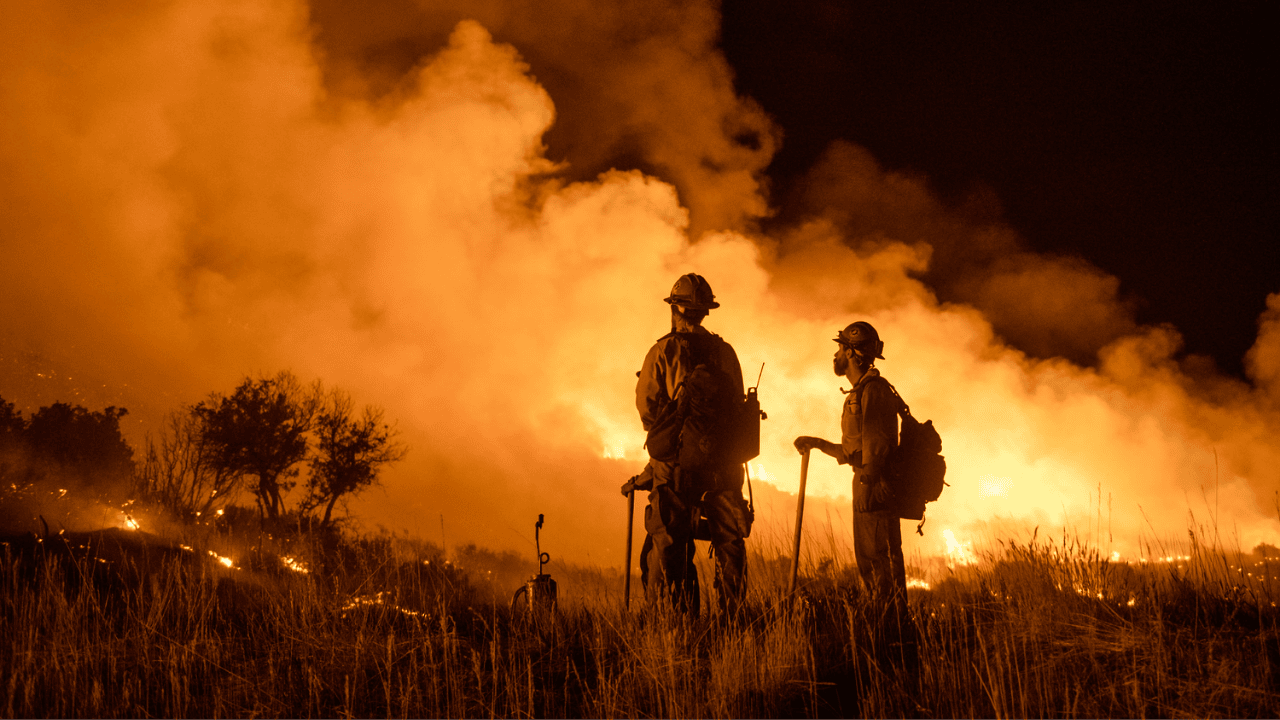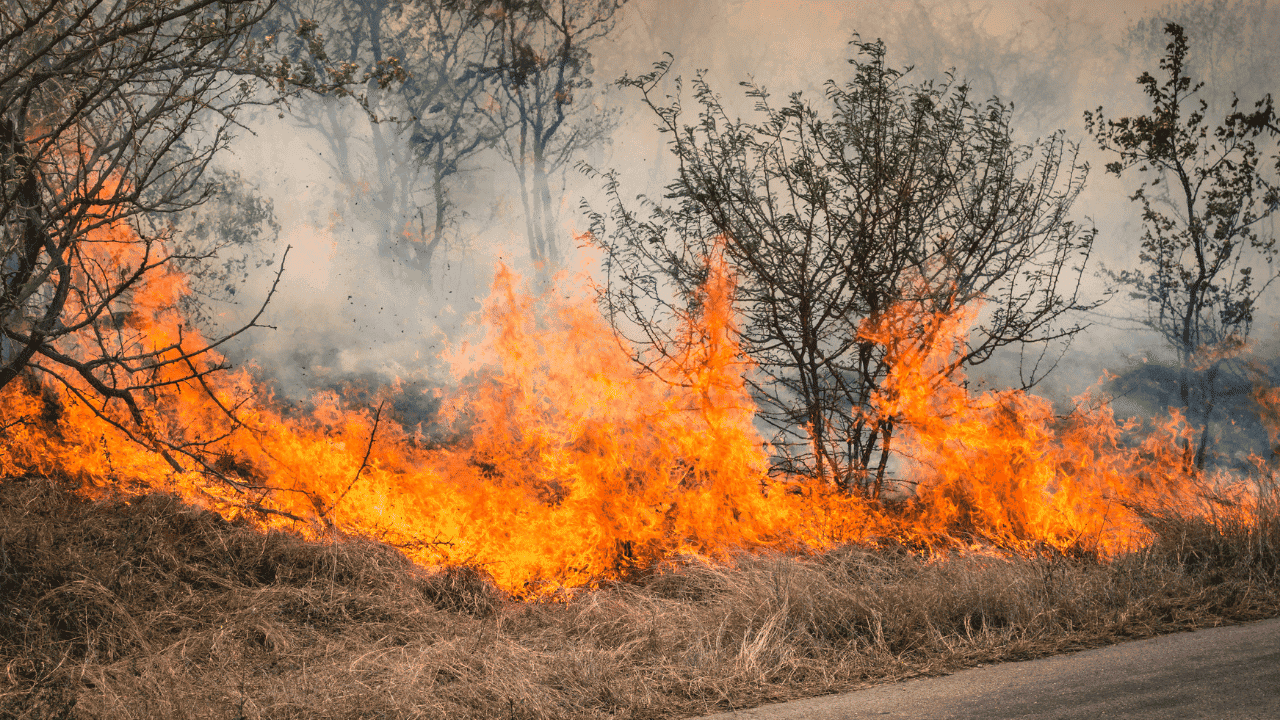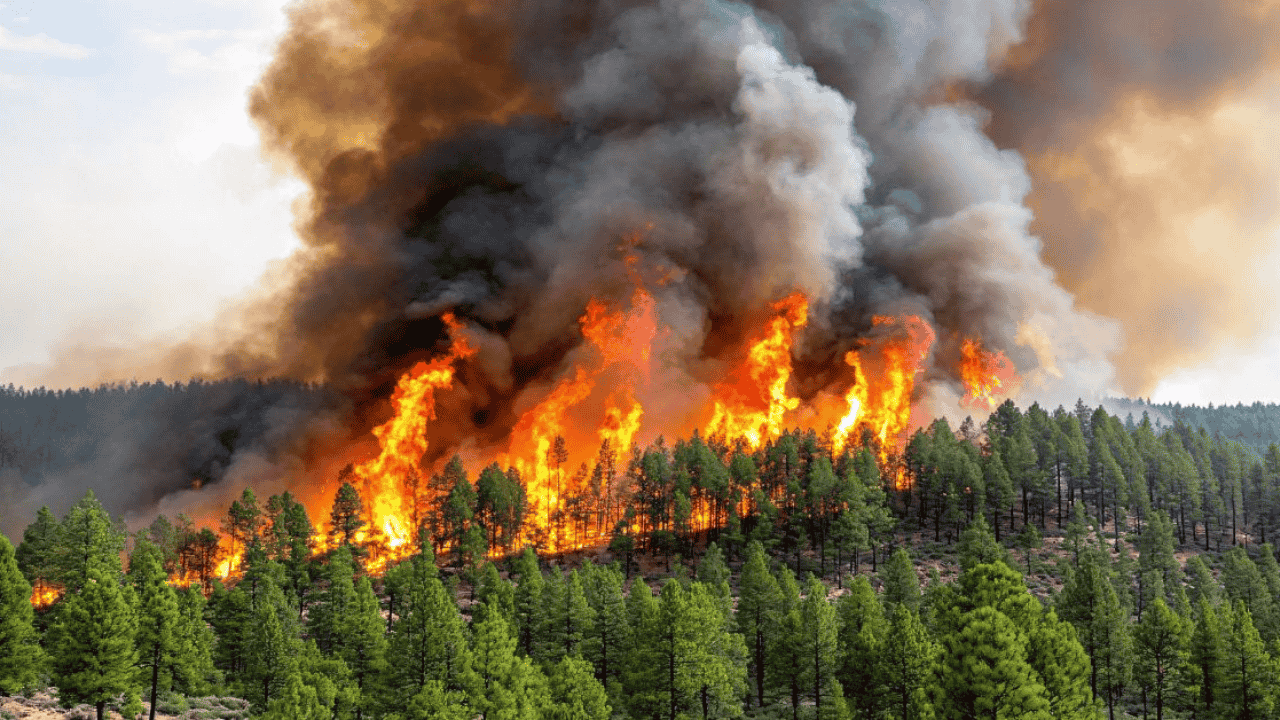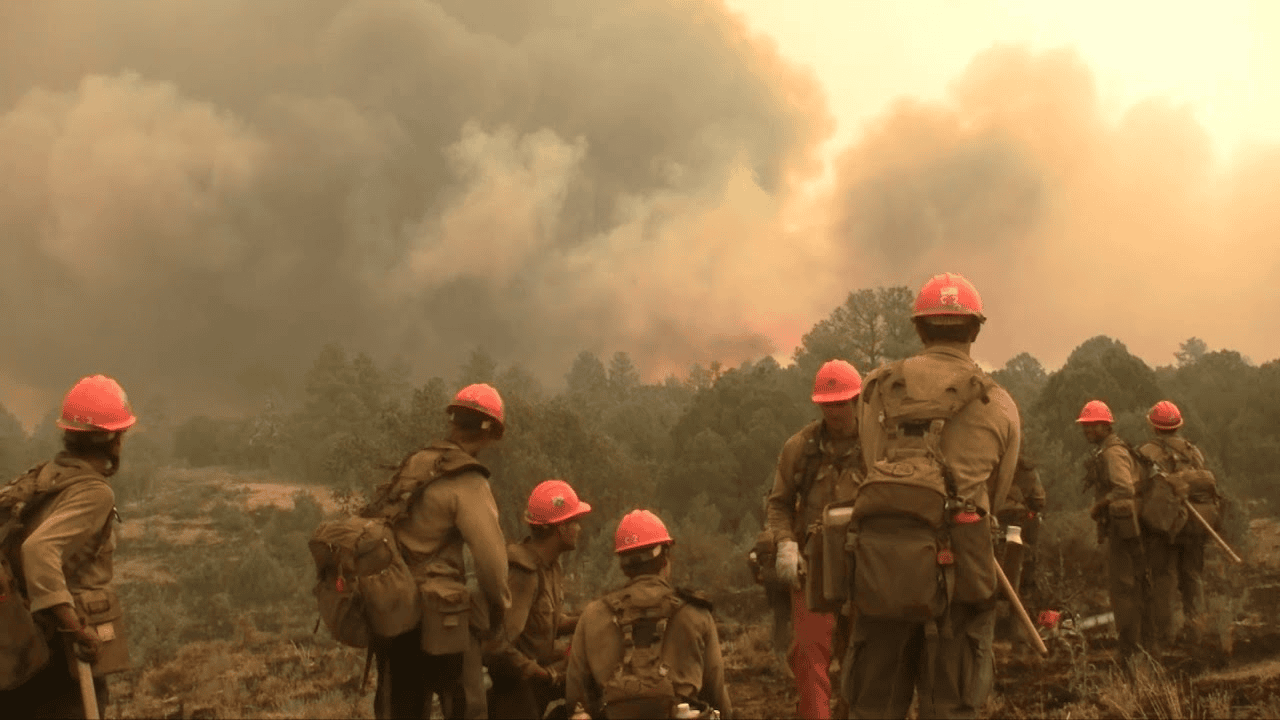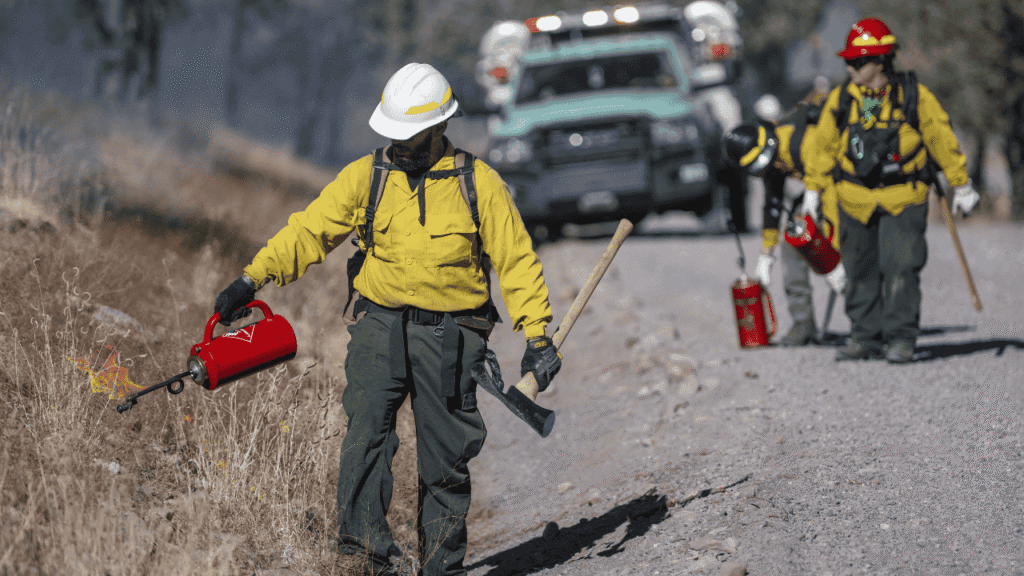
The increasing severity of wildfires in the United States has highlighted the need for coordinated action among federal, state, and tribal authorities. The National Cohesive Fire Strategy Workshop serves as a pivotal forum for fostering this collaboration, enabling stakeholders to share knowledge, align priorities, and address wildfire challenges collectively. The 7th Annual Workshop emphasized the value of partnership, showcasing strategies for joint planning, resource sharing, and policy alignment. As wildfires become more frequent and complex, multi-level collaboration is essential for ensuring community safety, landscape resilience, and effective wildfire response.
Table of Contents
Overview
| Aspect | Key Points |
|---|---|
| Workshop Name | 7th Annual National Cohesive Fire Strategy Workshop |
| Dates | September 16–19, 2024 |
| Location | Atlantic City, New Jersey |
| Participants | Federal, state, tribal leaders, and local agencies |
| Focus Areas | Collaborative planning, resource management, community resilience, policy alignment |
| Outcomes | Strengthened partnerships, improved coordination, actionable strategies |
Partnership Goals
The workshop highlighted three primary goals for collaboration:
- Unified Wildfire Response: Streamlined coordination for rapid, efficient fire suppression
- Shared Knowledge Exchange: Tribal, state, and federal agencies sharing expertise, data, and best practices
- Policy Alignment: Harmonizing regulations and emergency protocols across jurisdictions
These goals ensure that wildfire management is cohesive across boundaries, allowing for more effective prevention, mitigation, and response.
Tribal Engagement
Tribal communities play a critical role in wildfire management due to their historical knowledge of landscapes and fire ecology. The workshop emphasized respectful collaboration with tribal authorities, integrating indigenous land management practices into broader wildfire strategies.
Engagement includes co-developing response plans, implementing fuel reduction initiatives, and involving tribal representatives in decision-making processes. This inclusion strengthens both community resilience and ecological stewardship.
Coordinated Frameworks
- Integrated Operations: Joint planning for large-scale wildfire response
- Resource Sharing: Personnel, equipment, and funding allocated across jurisdictions
- Incident Communication: Real-time information exchange to improve decision-making
- Mutual Aid Agreements: Pre-established protocols for rapid mobilization during emergencies
These frameworks enhance the efficiency of wildfire response and ensure that communities receive timely support during fire events.
Data Collaboration
Data sharing between federal, state, and tribal agencies was a major focus of the workshop. Geographic information systems (GIS), predictive fire modeling, and risk assessments help identify vulnerable areas and prioritize mitigation activities.
Collaborative use of these tools allows agencies to coordinate fuel treatments, evacuation planning, and resource deployment, reducing overall wildfire impact and improving safety outcomes for affected communities.
Policy Coordination
Workshop discussions emphasized aligning policies to ensure consistent wildfire management practices. This includes integrating federal guidelines, state regulations, and tribal sovereignty considerations into a cohesive framework that supports community safety and operational efficiency.
Policy coordination also addresses funding mechanisms, ensuring resources are allocated to priority areas and that collaborative initiatives are financially sustainable.
Capacity Development
- Joint Training Programs: Skills development for multi-agency wildfire teams
- Leadership Development: Empowering tribal, state, and federal managers for collaborative decision-making
- Knowledge Exchange Workshops: Sharing lessons learned from past wildfire events
- Scenario-Based Exercises: Simulating coordinated responses for complex wildfire incidents
Capacity development strengthens the ability of all stakeholders to act effectively, minimizing confusion and delays during high-risk wildfire events.
Lessons Learned
The workshop reinforced that collaboration is critical for effective wildfire management. Agencies working in isolation are less capable of addressing modern wildfire challenges, whereas coordinated efforts enhance preparedness, response, and recovery.
Key takeaways include the need for continuous communication, shared resource planning, and inclusion of all stakeholders — especially tribal communities — in every stage of wildfire management planning.
Final Thoughts
The 7th Annual National Cohesive Fire Strategy Workshop demonstrated that federal, state, and tribal collaboration is no longer optional but essential. By sharing knowledge, aligning policies, and jointly planning responses, wildfire management becomes more proactive, efficient, and community-centered.
Communities benefit when multi-level partnerships operate seamlessly, combining scientific expertise, operational capacity, and local knowledge. As wildfire risks grow in 2026 and beyond, continued collaboration remains the foundation for resilient, fire-adapted landscapes and safer communities.