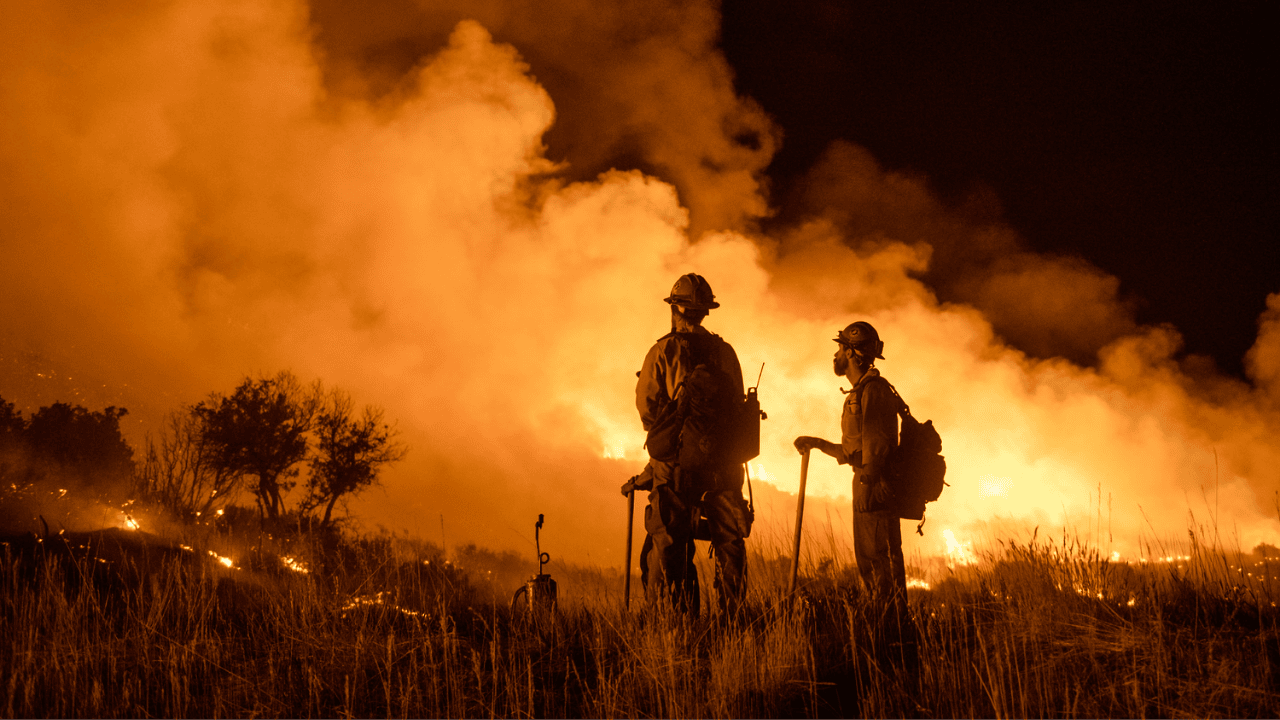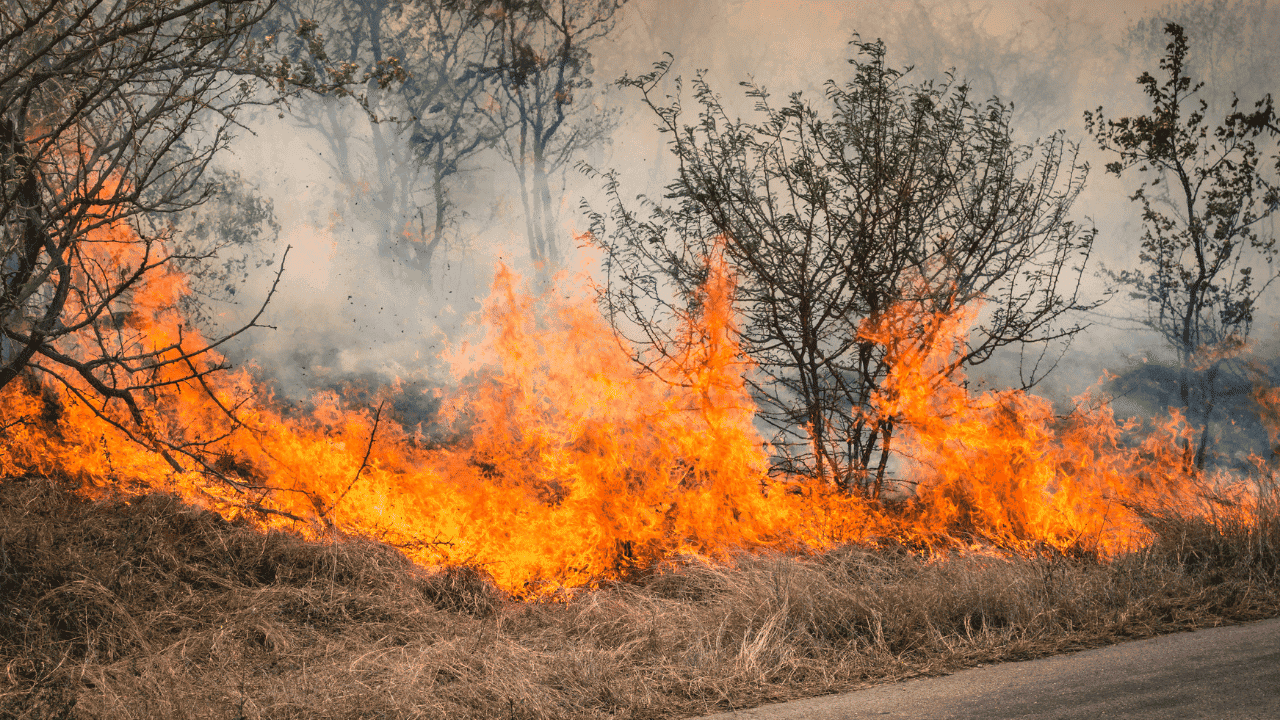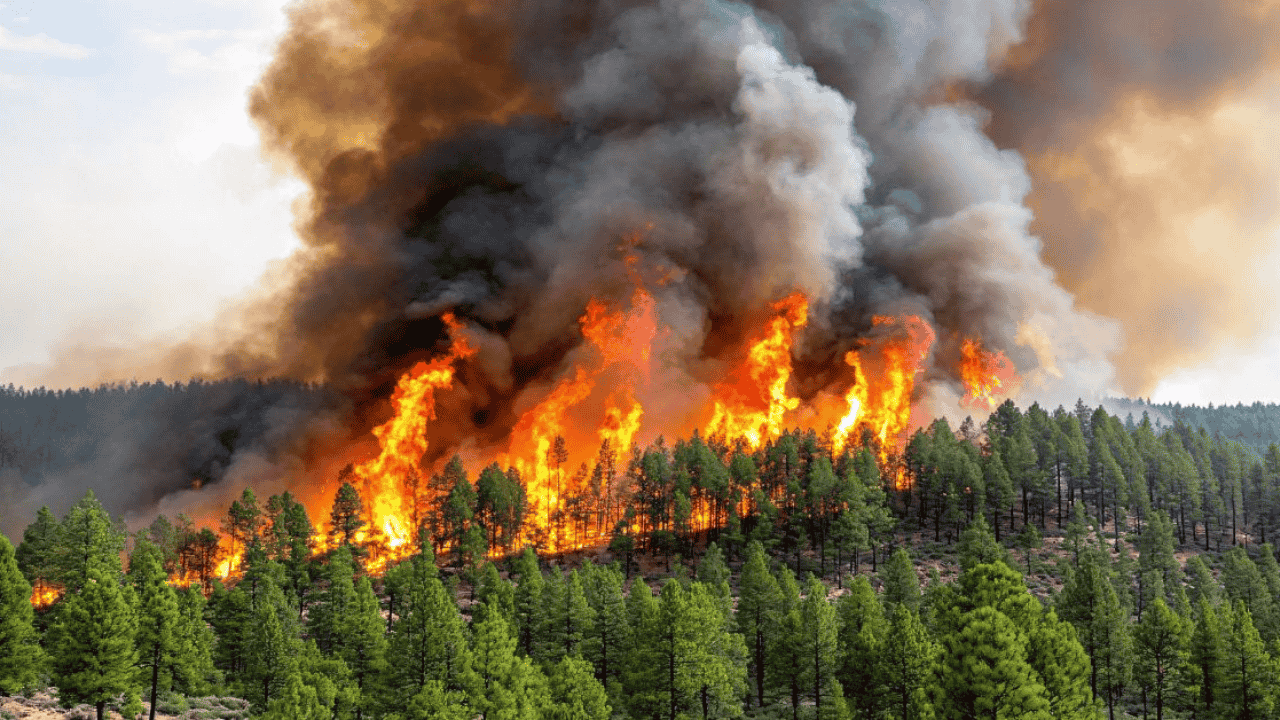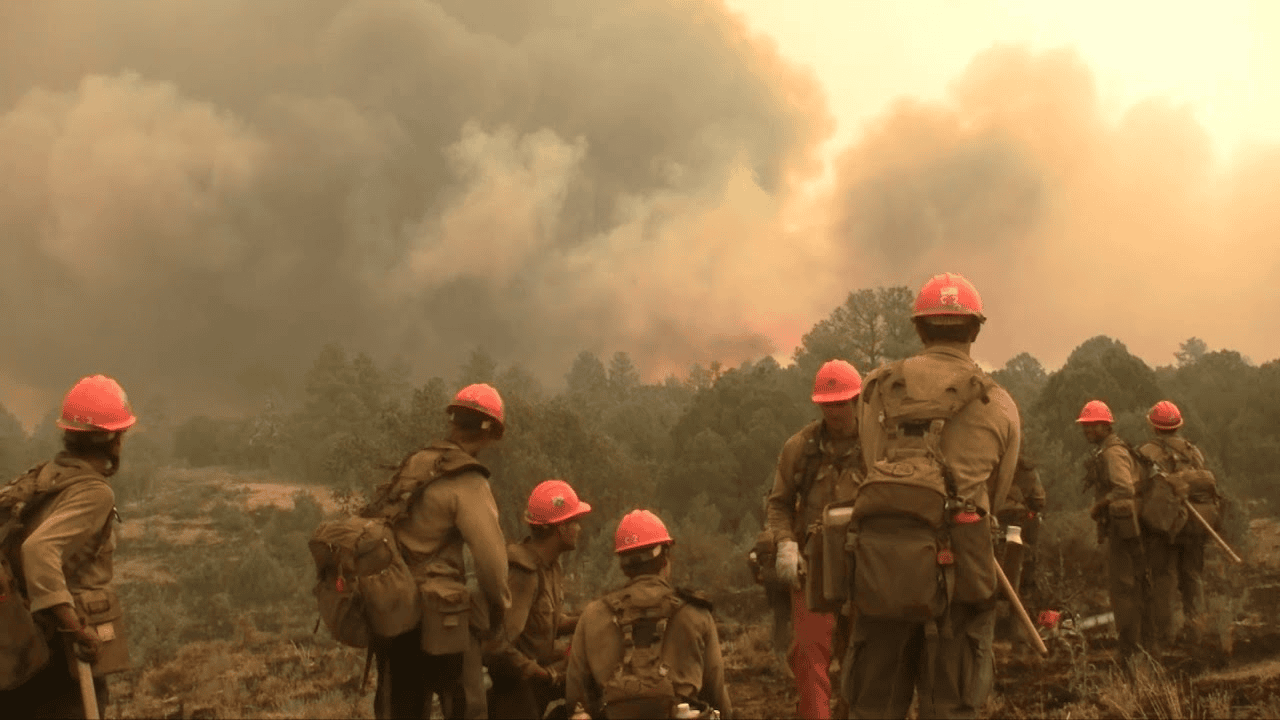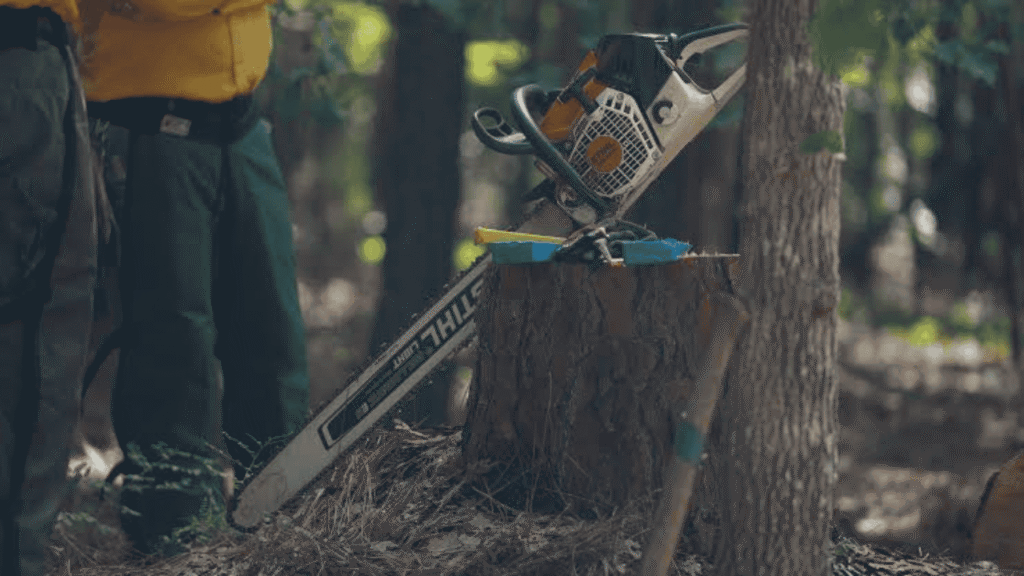
The 7th Annual Cohesive Wildland Fire Workshop, held in 2024, brought together federal, state, tribal, and local stakeholders to address the increasing challenges posed by wildfires across the United States. The event focused on advancing the National Cohesive Wildland Fire Management Strategy, emphasizing collaboration, science-based planning, and community resilience. Participants shared lessons learned, identified key priorities, and explored innovative solutions to mitigate wildfire risk. The workshop highlighted the growing need for integrated approaches to protect lives, property, and natural resources in an era of longer and more intense fire seasons.
Table of Contents
Overview
| Aspect | Key Points |
|---|---|
| Workshop Name | 7th Annual Cohesive Wildland Fire Workshop |
| Dates | September 16–19, 2024 |
| Location | Atlantic City, New Jersey |
| Participants | Federal, state, tribal, and local stakeholders |
| Focus Areas | Priorities, challenges, solutions, community resilience, science integration |
| Outcomes | Actionable strategies, enhanced collaboration, policy recommendations |
Workshop Priorities
The workshop established several core priorities to guide wildfire management efforts:
- Strengthening community preparedness through education and engagement
- Improving cross-jurisdictional coordination for faster response
- Advancing science and data integration for risk assessment
- Promoting resilient landscapes through fuel management and restoration
These priorities reflect the need for proactive measures that balance ecological, community, and operational goals.
Community Resilience
Community resilience emerged as a central theme. Workshop sessions highlighted strategies for building fire-adapted communities, including defensible space programs, evacuation planning, and local emergency drills.
Active participation from residents, local agencies, and tribal organizations ensures that mitigation and response efforts are tailored to community-specific risks, increasing safety and reducing potential losses during wildfire events.
Collaborative Solutions
- Interagency Partnerships: Coordination across federal, state, tribal, and local agencies
- Shared Resources: Pooling personnel, equipment, and expertise for efficiency
- Communication Systems: Real-time information sharing during wildfire events
- Joint Planning: Unified strategies for prevention, mitigation, and response
Collaboration enhances effectiveness, ensuring all stakeholders work together to address complex wildfire challenges.
Science Integration
Scientific insights played a key role in workshop discussions. Predictive modeling, geographic information systems (GIS), and fire behavior research provide essential tools for identifying high-risk areas and planning mitigation measures.
By incorporating science into decision-making, agencies and communities can prioritize interventions, optimize fuel treatments, and improve emergency response strategies.
Policy Implications
The workshop reinforced the importance of aligning wildfire management policies with the Cohesive Strategy. Federal and state agencies discussed regulatory frameworks, funding allocations, and emergency response protocols to ensure policies support both community safety and landscape resilience.
Policy coordination remains essential for overcoming jurisdictional challenges and ensuring that mitigation, preparedness, and response measures are effectively implemented.
Challenges Ahead
- Increasing Wildfire Severity: Climate change drives longer and more intense fire seasons
- Urban Expansion: Growth in wildland-urban interface areas increases exposure and risk
- Resource Limitations: Staffing, funding, and equipment constraints challenge mitigation efforts
- Community Engagement: Sustaining participation in preparedness and education initiatives
Addressing these challenges requires ongoing collaboration, innovation, and investment at all levels.
Practical Recommendations
- Update Community Wildfire Protection Plans (CWPPs) regularly
- Conduct public education campaigns on wildfire risk and mitigation
- Implement fuel management and prescribed burning programs
- Foster interagency coordination for shared response capabilities
- Utilize data and modeling tools for strategic planning
These actionable steps translate workshop discussions into concrete solutions for communities and agencies.
Capacity Edifice
The workshop emphasized the need for skills development and knowledge sharing. Training sessions, peer learning, and case study presentations equipped participants with strategies to improve wildfire mitigation, preparedness, and response.
Capacity building strengthens local leadership and ensures that lessons learned are applied across regions, enhancing long-term resilience and improving outcomes during wildfire events.
Summing Up
The 7th Annual Cohesive Wildland Fire Workshop highlighted that priorities, challenges, and solutions must be addressed holistically to manage increasing wildfire risks effectively. Collaboration, science-driven strategies, and community engagement remain central to reducing the impact of wildfires on people and landscapes.
By implementing the insights and actionable recommendations from the workshop, agencies and communities can build safer, fire-adapted regions prepared for the complex wildfire realities of 2026 and beyond.