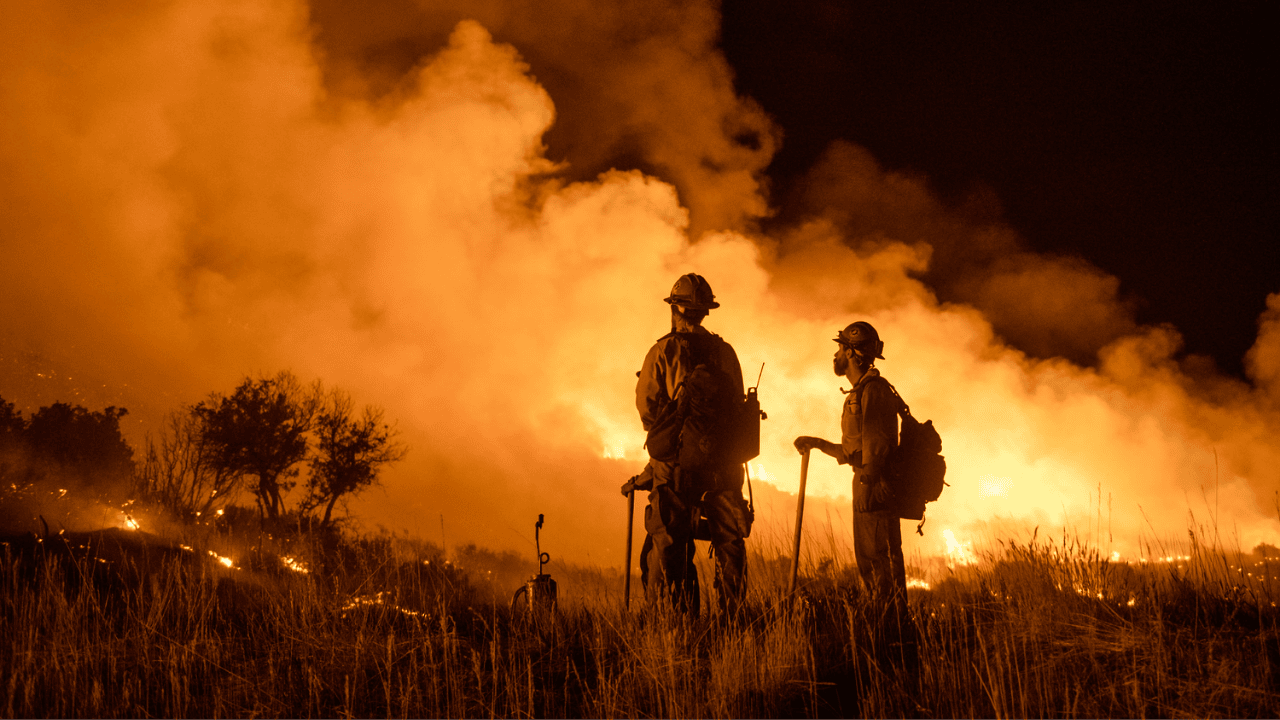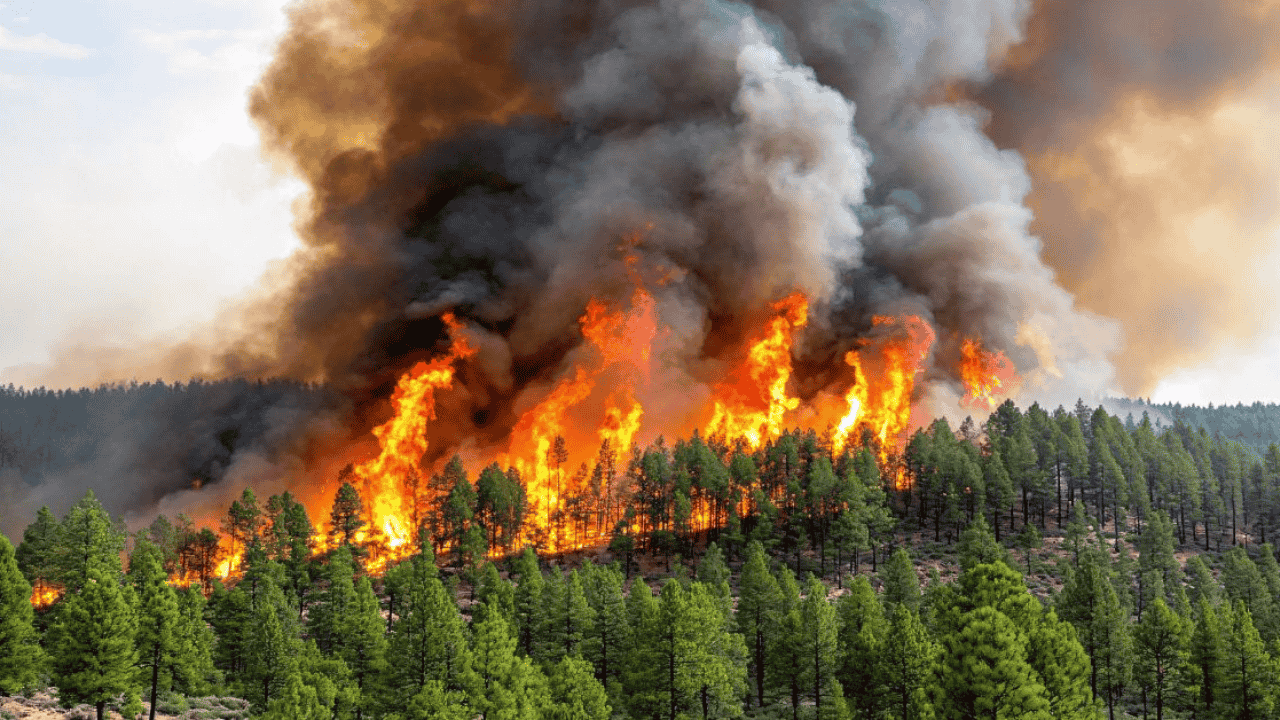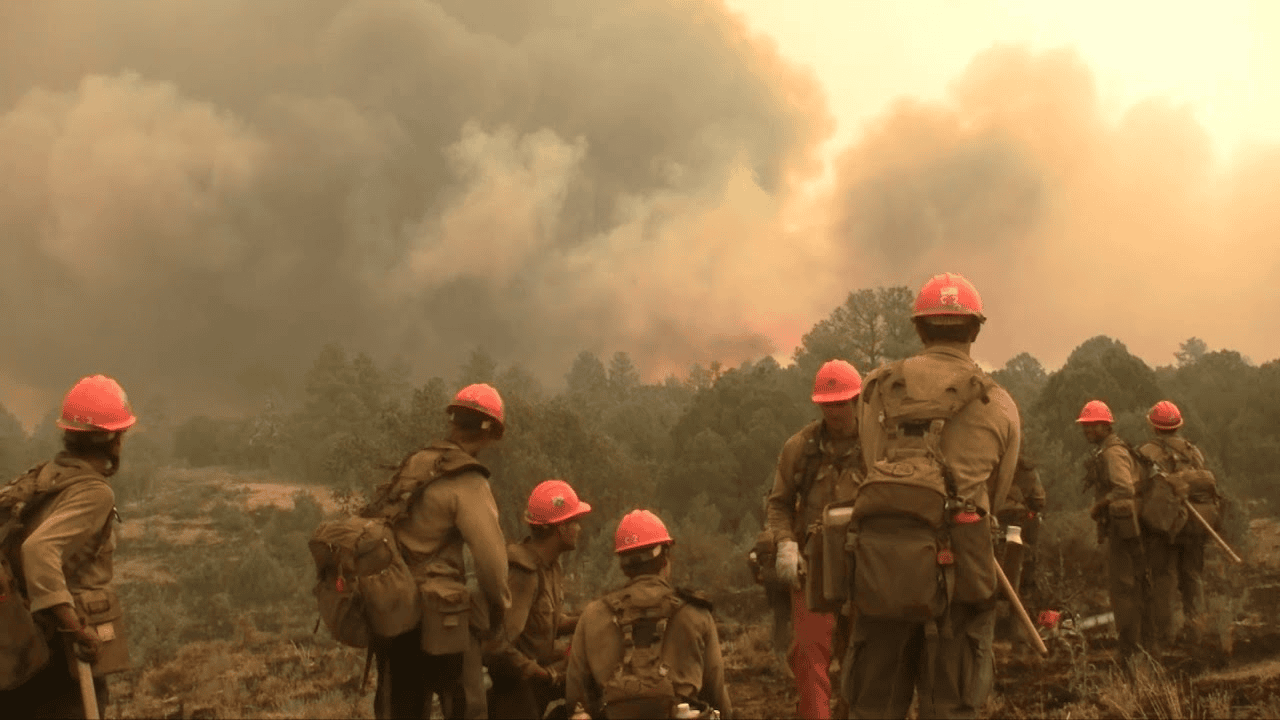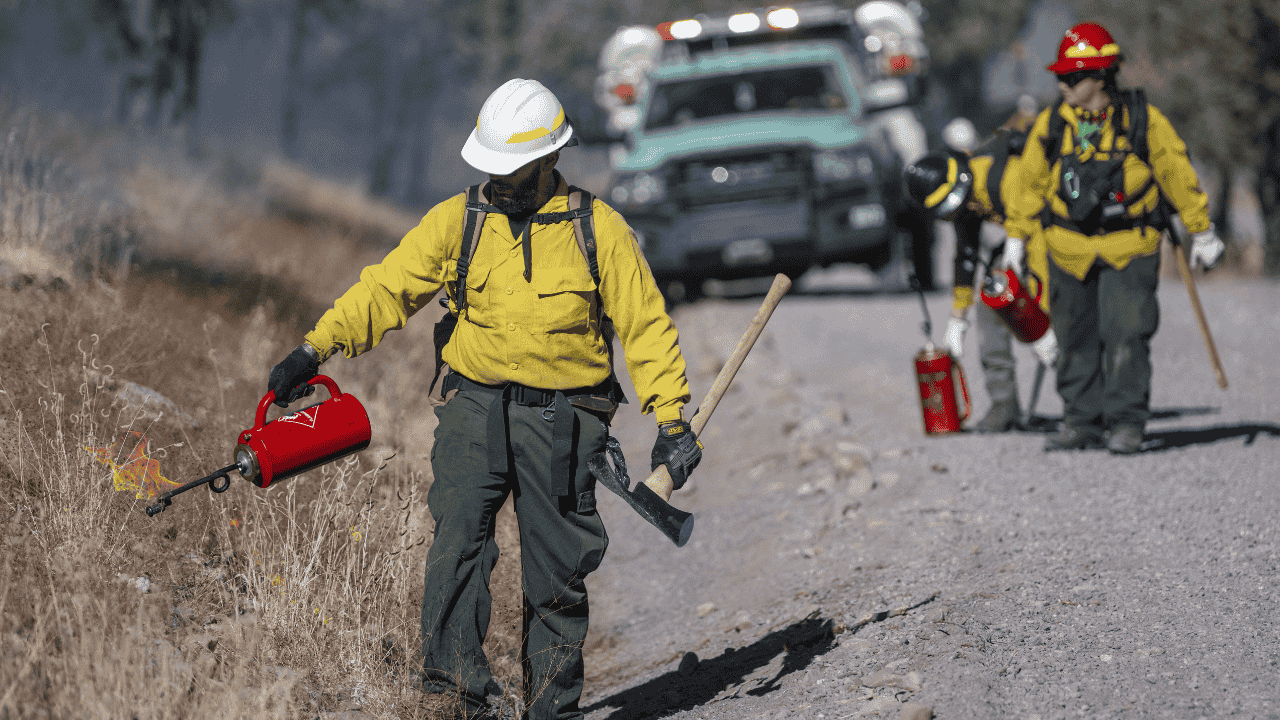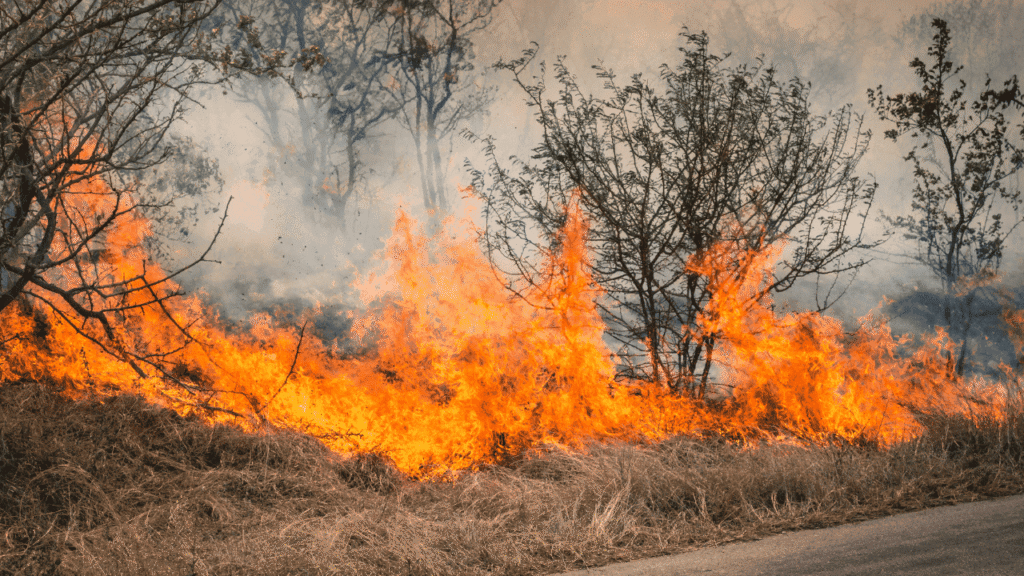
Wildfires have become an increasingly severe challenge for the United States, threatening landscapes, ecosystems, and communities alike. The National Cohesive Wildland Fire Management Strategy provides a national framework for addressing wildfire risk collaboratively and effectively among federal, state, tribal, and local partners. Its goals focus on restoring resilient landscapes, promoting fire‑adapted communities, and ensuring safe and effective wildfire response. The 7th Annual National Cohesive Wildland Fire Management Strategy Workshop, held in September 2024 in Atlantic City, New Jersey, brought stakeholders together to accelerate implementation of this strategy and confront ongoing and emerging wildfire management issues.
Table of Contents
Overview
| Aspect | Key Points |
|---|---|
| Workshop Name | 7th Annual National Cohesive Wildland Fire Management Strategy Workshop |
| Dates | September 16–19, 2024 |
| Location | Atlantic City, New Jersey |
| Hosts | Wildland Fire Leadership Council and partners |
| Main Focus | Advancing implementation of the Cohesive Strategy, identifying barriers, and recommending solutions |
| Importance | Supports wildfire resilience efforts and community preparedness |
Strategy Goals
The Cohesive Strategy is built upon three core goals: resilient landscapes capable of withstanding fire disturbances, fire‑adapted communities that can endure wildfires without loss of life or property, and safe, effective wildfire response through coordinated efforts.
These goals reflect a shift from solely suppressing wildfires toward living with fire through informed planning, risk reduction, and community engagement. The 7th Workshop reinforced these goals and provided a forum to assess implementation progress, emerging challenges, and priority actions.
Community Impacts
Communities across the U.S., especially those in wildland‑urban interface (WUI) areas, face elevated wildfire risk, with homes, infrastructure, and public health exposed to fire, smoke, and evacuation disruptions.
At the workshop, discussions emphasized how collaborative planning and knowledge sharing strengthen preparedness at the community level. Involving local leaders, fire managers, scientists, and residents highlighted the importance of local engagement in wildfire resilience — from risk assessment and mitigation to recovery and adaptation.
Collaborative Focus
A central element of the workshop was collaboration across agencies, levels of government, tribal entities, and non‑governmental organizations. Wildfires do not respect jurisdictional boundaries, so shared solutions are essential.
Sessions included technical presentations on wildfire science, risk assessment, and practical implementation strategies. This fostered shared understanding among stakeholders, enabling community representatives to bring back actionable insights to enhance local wildfire planning processes.
Science Integration
Science and technology played a key role in the workshop agenda, bridging science gaps and management needs. Effective wildfire preparedness and response depend on accessible data, predictive tools, and integrated research that supports decision‑making.
By connecting researchers and practitioners, the workshop enhanced the use of scientific tools and data in community planning, fuel treatments, and risk modeling. This helps communities better anticipate wildfire behavior, prepare response protocols, and communicate risks with residents.
Policy Significance
The Cohesive Strategy shapes federal and regional wildfire policy, influencing risk mapping, community planning standards, and collaborative fire management approaches.
The 7th Workshop reinforced the strategy’s policy relevance by highlighting areas where implementation remains challenging, such as coordinating across jurisdictions, aligning funding priorities, and adapting to climate-driven fire patterns.
Practical Outcomes
The workshop identified barriers and actionable steps for advancing Cohesive Strategy goals. Participants discussed real-world challenges, including staffing and funding constraints, and gaps in shared risk frameworks.
By convening diverse voices, the workshop clarified common priorities, such as improving community-driven wildfire mitigation, expanding science application, and strengthening cross-boundary communication. These insights feed into ongoing national and regional wildfire planning efforts.
Capacity Building
The workshop served as a capacity-building opportunity for community leaders, fire managers, and partner organizations. Attendees gained access to resources, tools, and networks supporting wildfire resilience initiatives.
Peer exchange and lessons learned were especially valuable for communities developing Community Wildfire Protection Plans (CWPPs) and resilience strategies. This supports not only preparedness but also engagement of residents and policymakers in shared responsibility for risk reduction.
Resilient Futures
Long-term resilience planning was emphasized, including landscape management practices such as prescribed fire, fuel treatments, and ecological restoration to reduce catastrophic fire risk while maintaining healthy ecosystems.
Through collaborative planning and implementation support, the workshop reinforced that communities and landscapes can coexist with wildfire in ways that minimize risk and enhance safety.
Closing Perspectives
The 7th Annual National Cohesive Wildland Fire Management Strategy Workshop highlights the importance of bridging science, policy, and community action for a resilient future. Collaboration, shared learning, and actionable outcomes are central to reducing wildfire risk and enhancing community preparedness.
Communities benefit when wildfire risk is addressed through integrated frameworks empowering local participation, incorporate scientific tools, and align with national wildfire management principles. By fostering stronger partnerships and practical solutions, the workshop helped chart a path toward safer, fire-adapted communities and landscapes.