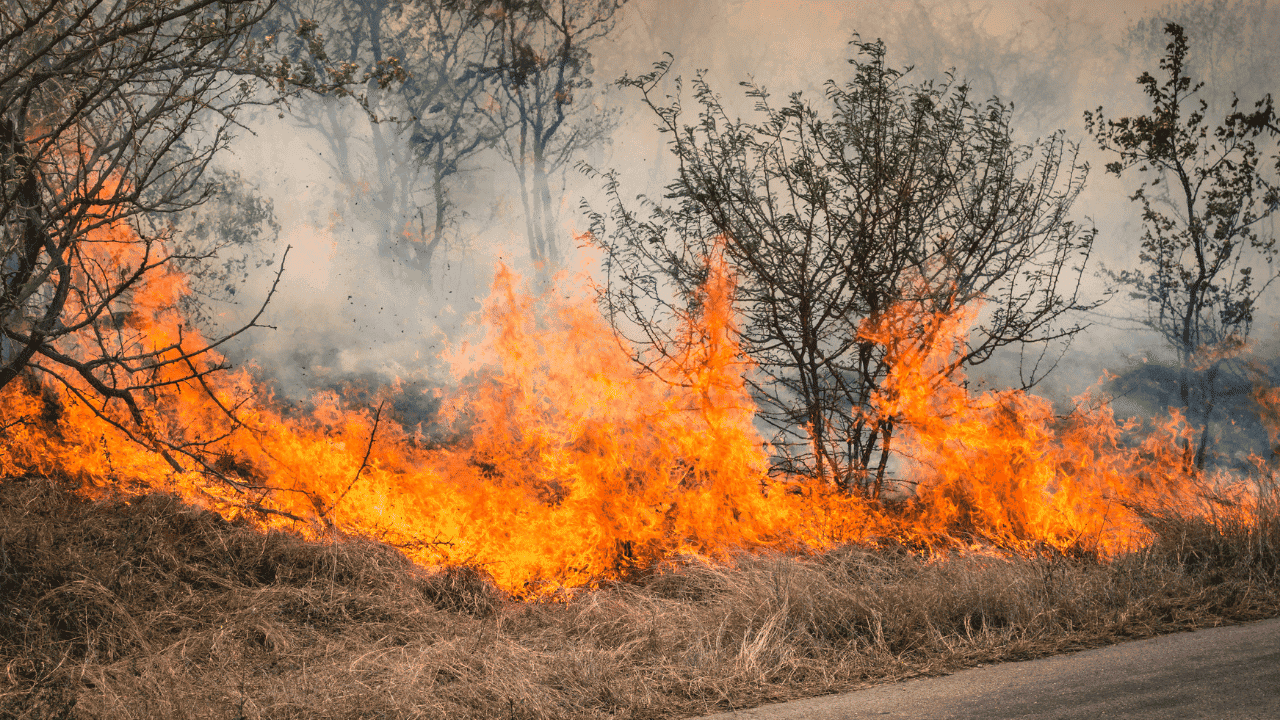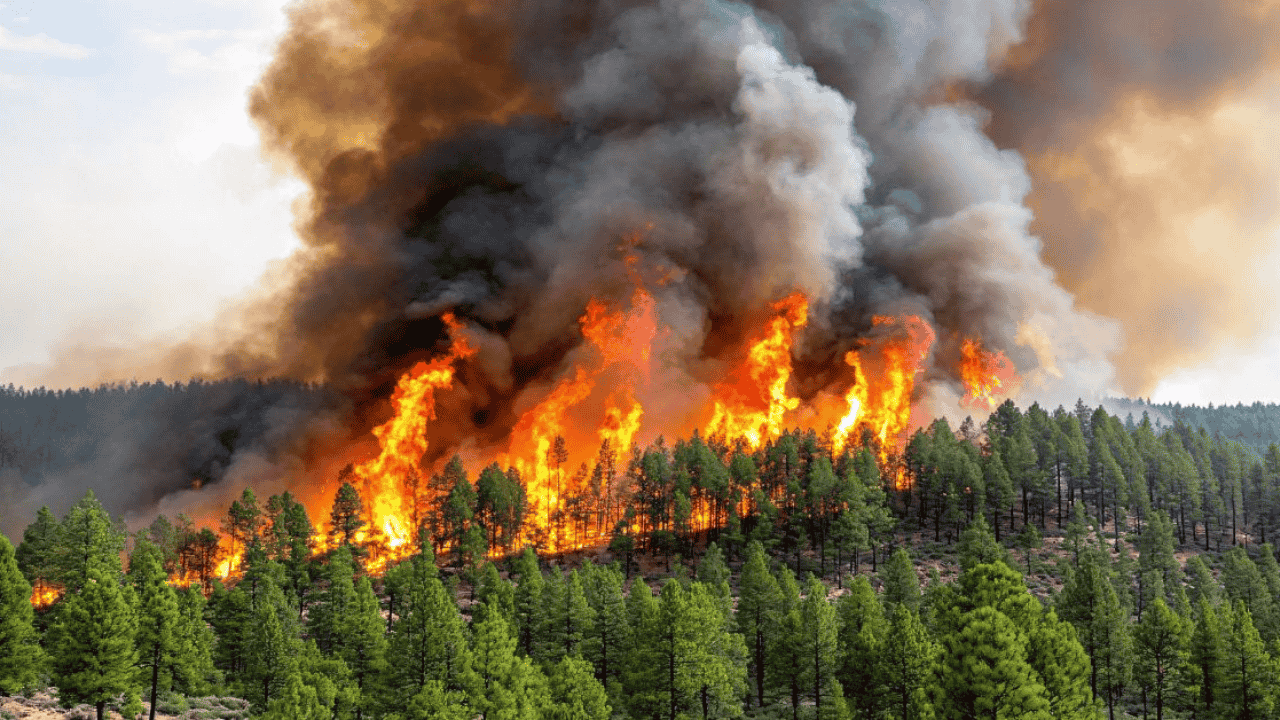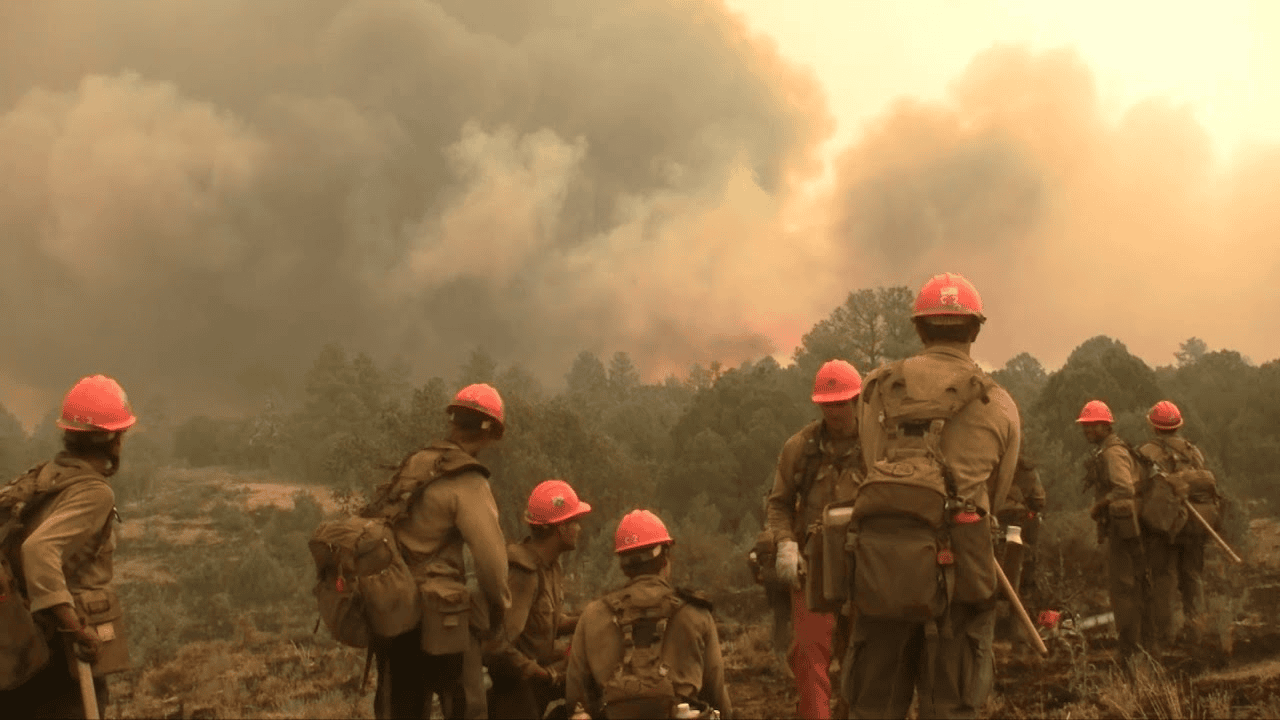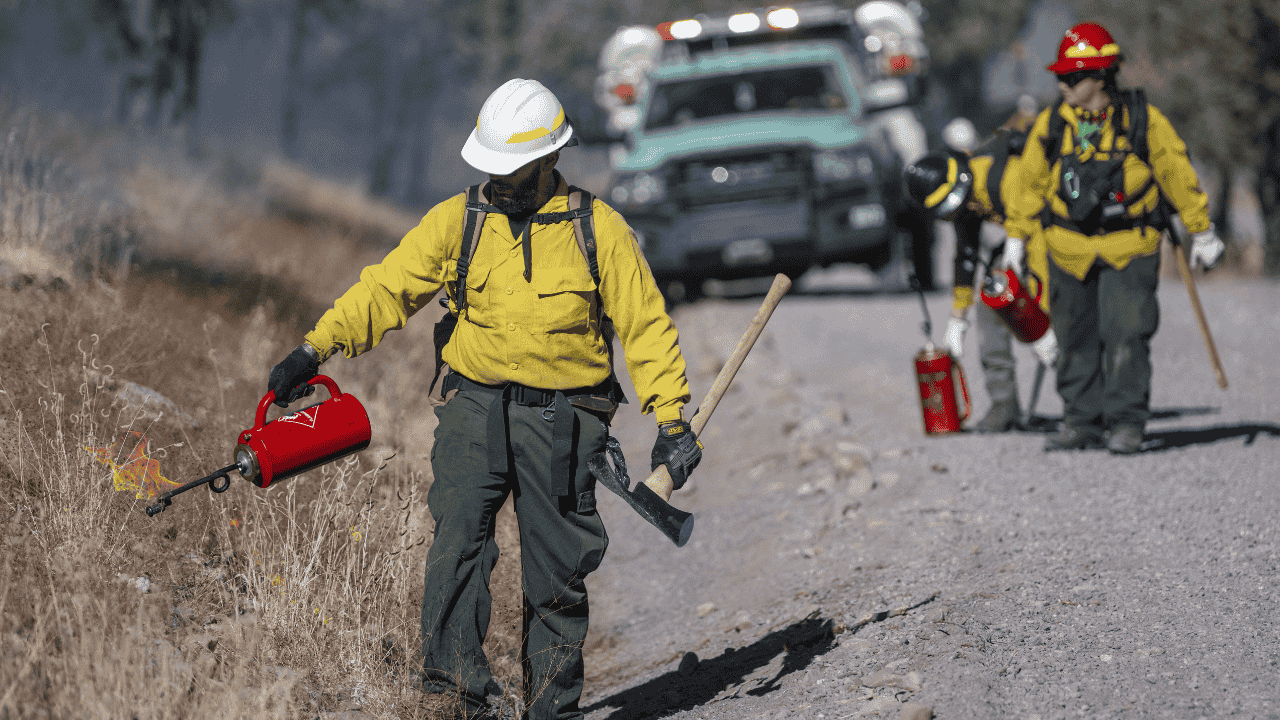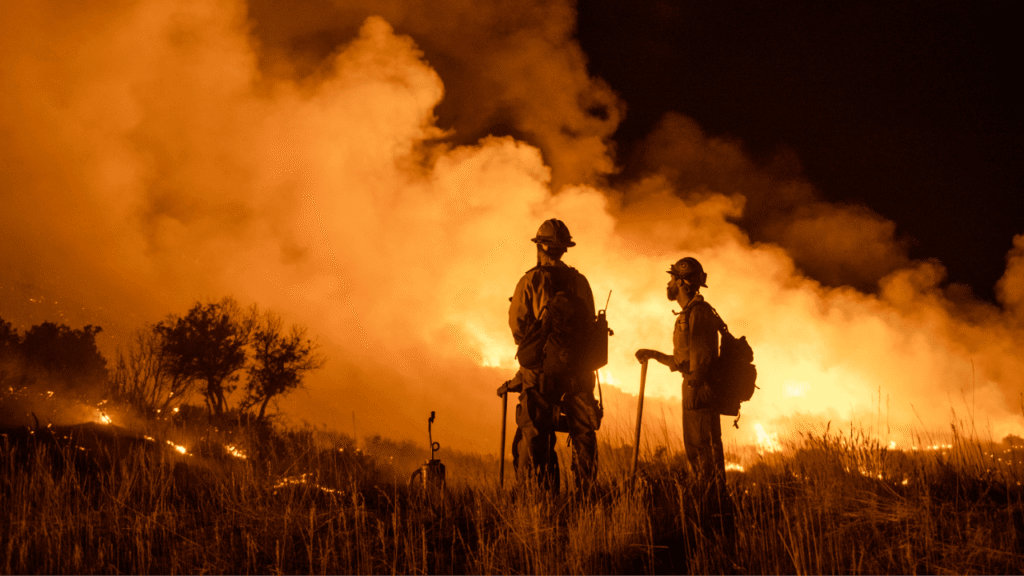
The National Cohesive Wildland Fire Management Strategy continues to influence wildfire policy, planning, and operations across the United States in 2026 by promoting collaboration, science‑based decisions, and community resilience. First developed to address the growing complexity of wildfire risk and response, the strategy sets a national vision and long‑term goals for managing wildland fire across all lands.
In recent years, updates to the strategy and expanded federal commitments — including strategic investments through major infrastructure laws and the formation of advisory bodies — have strengthened its role in shaping how fire management agencies, communities, and partners work together. As wildfire seasons become longer and more severe due to climate change and increased wildland‑urban interface development, the Cohesive Strategy serves as a foundation guiding fire managers and communities toward shared priorities in 2026.
Table of Contents
Overview
| Aspect | Key Points |
|---|---|
| Name | National Cohesive Wildland Fire Management Strategy |
| Purpose | Guide national approach to wildfire risk reduction and response |
| Core Goals | Resilient landscapes, fire‑adapted communities, effective wildfire response |
| Policy Influence | Framework for federal, state, tribal, and local fire management policies |
| 2026 Role | Shapes multi‑agency cooperation, investment priorities, and planning practices |
| Community Impact | Strengthens community wildfire preparedness and resilience |
Strategy Vision
The Cohesive Strategy outlines a vision where fire is actively managed to protect lives, property, and natural resources while acknowledging that fire is a natural ecological process. Its long‑term goals focus on restoring and maintaining resilient landscapes, ensuring fire‑adapted communities, and supporting safe, effective wildfire response based on shared risk analysis. These core principles remain central to fire planning and operations across agencies and jurisdictions in 2026.
In 2026, fire management planners and practitioners use this vision to inform not just suppression activities but also proactive landscape management, community risk reduction, and coordinated response frameworks.
Policy Integration
Federal and state wildfire policies increasingly reflect the Cohesive Strategy’s principles by promoting cross‑boundary planning and risk reduction actions that transcend single land ownership. Agencies regularly align their strategic documents with the strategy’s goals to ensure coordinated action on fuel treatments, prescribed fire, and emergency preparedness.
These alignments extend to budgeting and legislative guidance that prioritize wildfire mitigation and resilience, moving beyond traditional suppression‑centric approaches toward a balanced model of preparedness, risk reduction, and response.
Science Integration
Scientific research and modeling tools are now routinely integrated into wildfire planning and decision‑making to better understand fire behavior, risk patterns, and mitigation outcomes. In 2026, fire managers use data‑driven insights to inform fuel treatment plans, anticipate shifts in fire seasons, and improve risk communication with communities.
This integration of science makes the Cohesive Strategy more actionable, bridging gaps between academic knowledge and front‑line fire management practices.
Key Shifts
- From Suppression to Preparedness: Emphasis on reducing risk before fires start.
- All‑Lands Collaboration: Agencies and partners coordinate across ownership boundaries.
- Adaptive Planning: Continuous learning and adjusting strategies based on outcomes.
- Community Inclusion: Local stakeholders participate in risk assessment and planning.
These shifts reflect a broader understanding of wildfire management that balances ecological health with public safety and community resilience.
Community Impacts
Communities with high wildfire exposure increasingly embrace the Cohesive Strategy’s goals to build resilience by adapting infrastructure, land use planning, and emergency protocols. Local fire councils and community working groups are more common in 2026, providing forums where residents, landowners, and fire professionals discuss risk reduction actions.
Fire‑adapted communities implement activities such as fuel breaks, defensible space programs, and public education campaigns, enhancing readiness and reducing potential losses from wildfire.
Federal Actions
Federal agencies continue to embed Cohesive Strategy principles in planning documents and operational guidelines. Recent investment frameworks support sustained wildfire mitigation actions and fuel reduction projects funded through multi‑year allocations, reinforcing the need for long‑term planning and execution.
The strategy also influences the organizational roles of federal entities engaged in wildfire management, promoting shared leadership among departments responsible for land stewardship, emergency response, and community safety.
Implementation Tools
- National Action Plans and frameworks
- Risk mapping and modeling systems
- Community wildfire protection planning tools
- Interagency collaboration platforms
These tools help stakeholders translate the strategy’s goals into concrete actions that address specific regional and local wildfire challenges.
Challenges Ahead
Despite progress, ongoing issues persist that will shape fire management in 2026 and beyond:
- Expanding Wildland‑Urban Interface Zones where homes and infrastructure meet fire‑prone landscapes
- Workforce Limitations in wildfire planning and response
- Funding Variability for long‑term mitigation and resilience programs
- Climate‑Driven Fire Severity that increases the unpredictability of fire seasons
Addressing these challenges requires sustained collaboration and commitment to the strategy’s shared vision.
Closing Perspectives
In 2026, the National Cohesive Wildland Fire Management Strategy profoundly influences how wildfire management is carried out in the United States. By fostering collaboration, science‑based planning, and community engagement, it ensures that fire policies and practices evolve beyond reactive suppression toward proactive resilience and risk reduction.
Communities and agencies alike benefit from a strategy that unifies diverse stakeholders around shared goals and measurable outcomes. As fire challenges continue to grow, the strategy’s core principles provide a roadmap for more resilient landscapes and safer communities.