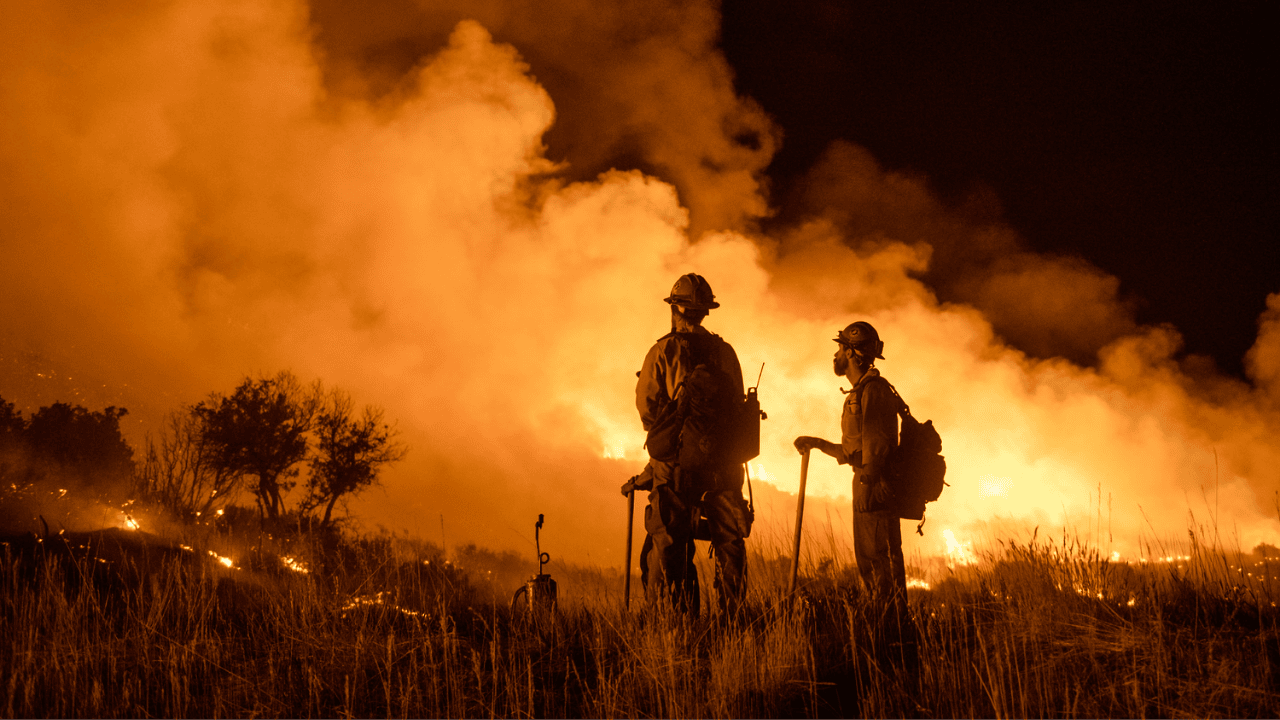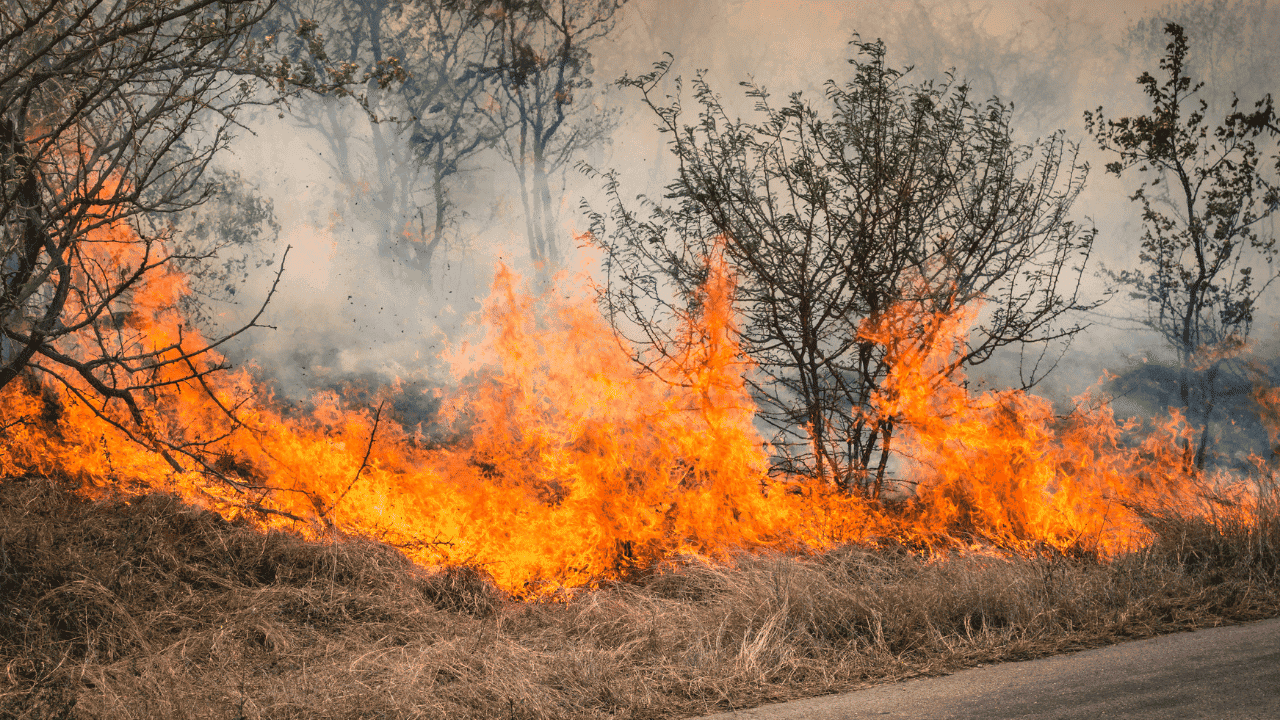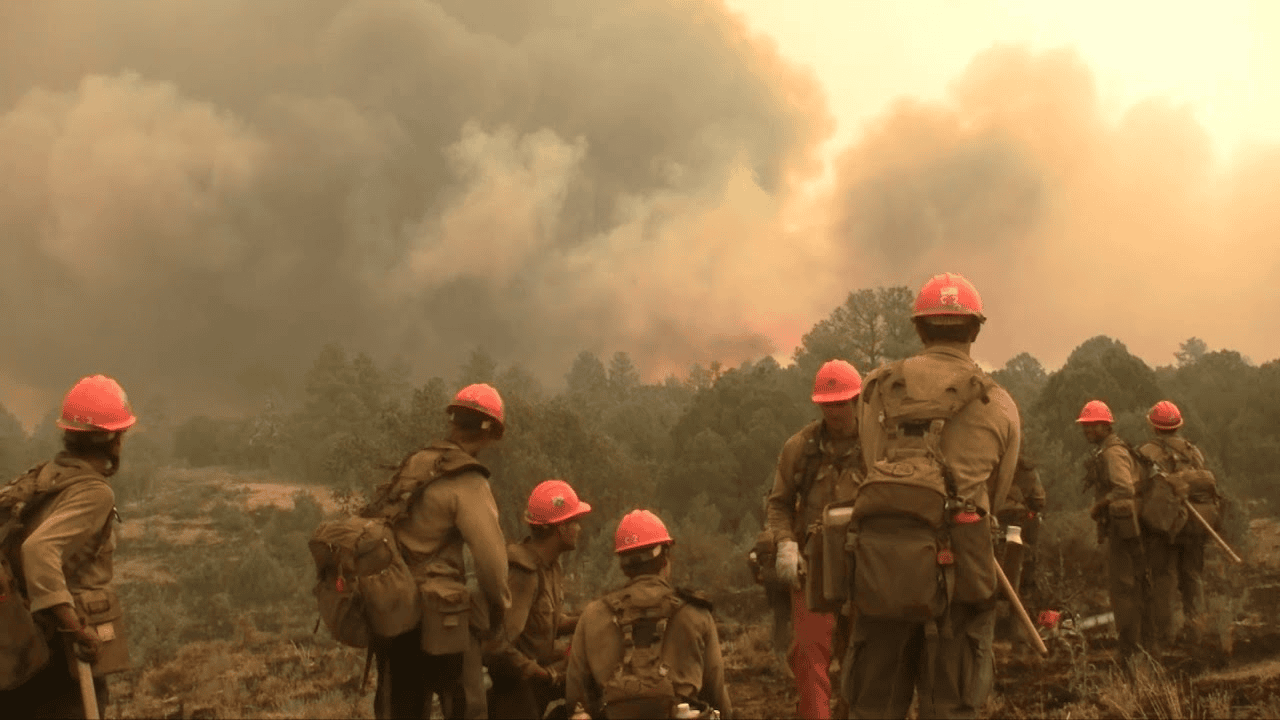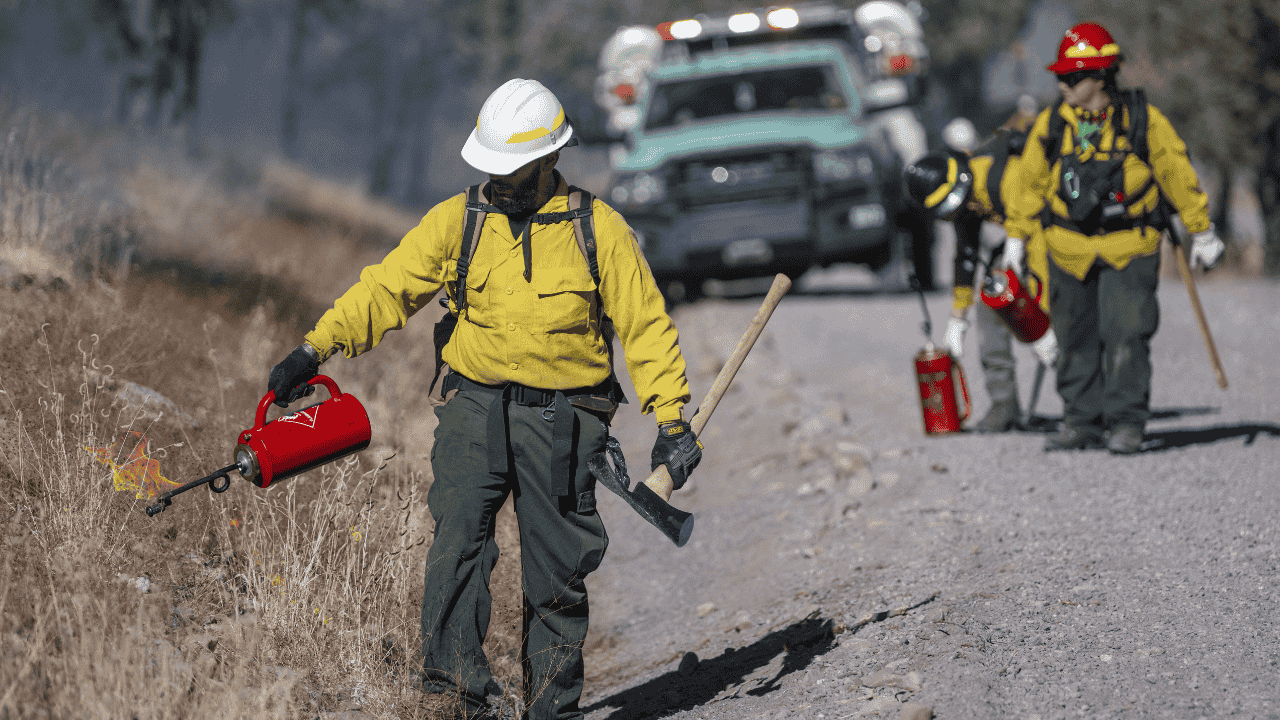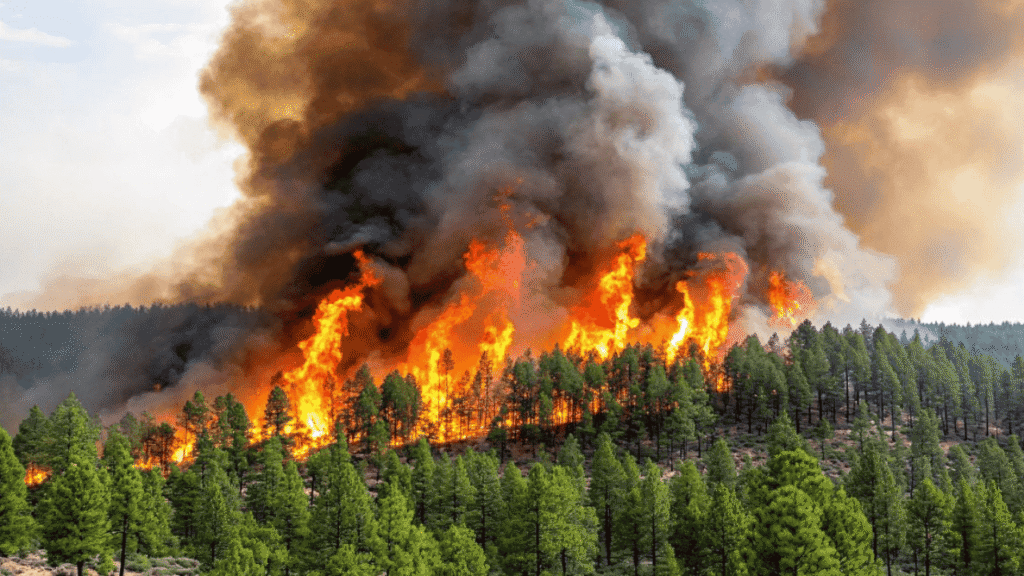
Wildfires have intensified across the United States, fueled by climate change, longer fire seasons, and increased development in fire-prone areas. The Cohesive Wildland Fire Management Strategy provides a national framework to manage wildfire risk, protect communities, and maintain resilient landscapes. It promotes collaboration across federal, state, tribal, and local agencies while emphasizing science-driven decision-making and community preparedness. In 2026, this strategy is more critical than ever as fire frequency and severity continue to grow, requiring coordinated approaches to reduce risk and enhance safety.
Table of Contents
Overview
| Aspect | Key Points |
|---|---|
| Strategy Name | Cohesive Wildland Fire Management Strategy |
| Purpose | Reduce wildfire risk and enhance resilience |
| Core Goals | Resilient landscapes, fire-adapted communities, effective wildfire response |
| 2026 Relevance | Addresses increasing wildfire severity, climate impacts, and urban expansion |
| Key Stakeholders | Federal, state, tribal, local agencies, and communities |
| Outcomes | Improved preparedness, collaboration, and science-based planning |
Strategic Importance
The Cohesive Strategy is grounded in three overarching goals:
- Creating resilient landscapes capable of withstanding natural fire events
- Developing fire-adapted communities that can safely coexist with wildfire
- Ensuring safe, effective wildfire response through coordinated efforts
These goals are increasingly relevant as wildfires threaten property, public health, and ecosystems. In 2026, implementing this strategy enables communities and agencies to move beyond reactive suppression and toward proactive risk reduction and mitigation.
Community Engagement
Engaging communities is central to wildfire resilience. The strategy emphasizes public education, defensible space, evacuation planning, and collaboration with local fire departments.
Fire-adapted communities actively participate in risk assessment, emergency drills, and mitigation activities. Strong community engagement reduces the likelihood of catastrophic outcomes and ensures residents are informed and prepared before fire events occur.
Collaborative Frameworks
- Cross-Jurisdictional Cooperation: Agencies work together across boundaries
- Shared Resources: Equipment, personnel, and expertise are pooled for efficiency
- Integrated Planning: Coordination ensures alignment with national and local priorities
- Communication Networks: Rapid information exchange enhances response effectiveness
These frameworks strengthen preparedness and response, allowing communities and agencies to manage wildfires more effectively.
Science Integration
The Cohesive Strategy relies heavily on data, research, and predictive tools. GIS mapping, fire behavior modeling, and ecological studies guide decision-making for fuel reduction, prescribed burns, and risk mitigation.
Science integration helps fire managers anticipate wildfire trends, evaluate mitigation effectiveness, and communicate risks to communities. This ensures evidence-based planning rather than reliance on reactive measures alone.
Policy Implications
The strategy informs policy at multiple levels, influencing federal guidelines, state regulations, and local ordinances. It promotes alignment of funding priorities, community safety measures, and landscape management practices.
Policy discussions in 2026 focus on overcoming barriers such as inconsistent regulations, limited resources, and jurisdictional challenges, ensuring that wildfire management remains coordinated and effective.
Practical Recommendations
- Update and maintain Community Wildfire Protection Plans (CWPPs)
- Conduct public outreach and wildfire education programs
- Implement fuel reduction projects and prescribed burning
- Enhance multi-agency coordination for emergency response
- Incorporate science and predictive modeling into planning
These practical actions provide communities and agencies with tangible strategies to reduce wildfire risk and enhance resilience.
Capacity Building
Training, peer learning, and knowledge sharing are critical for wildfire resilience. The strategy supports capacity building among fire managers, planners, and local leaders, enabling them to apply best practices and lessons learned from previous wildfire events.
Capacity building also strengthens local and regional networks, empowering communities to respond effectively and maintain long-term resilience.
Prospective Challenges
- Increasing wildfire frequency and intensity due to climate change
- Expansion of urban areas into fire-prone landscapes
- Limited staffing and funding for wildfire prevention and response
- Maintaining consistent community engagement in risk reduction programs
These challenges require continuous adaptation, investment, and multi-level collaboration to ensure communities remain safe.
Final Analysis
The Cohesive Wildland Fire Management Strategy matters more than ever because wildfire risks are escalating while communities and landscapes continue to grow more vulnerable. By integrating science, policy, and community engagement, it provides a comprehensive framework for reducing risk, improving preparedness, and protecting lives and property.
Its relevance in 2026 underscores the need for coordinated, proactive, and evidence-based approaches to wildfire management. Implementing its principles ensures that communities are better prepared, agencies work more efficiently together, and landscapes maintain ecological resilience in the face of increasing wildfire threats.