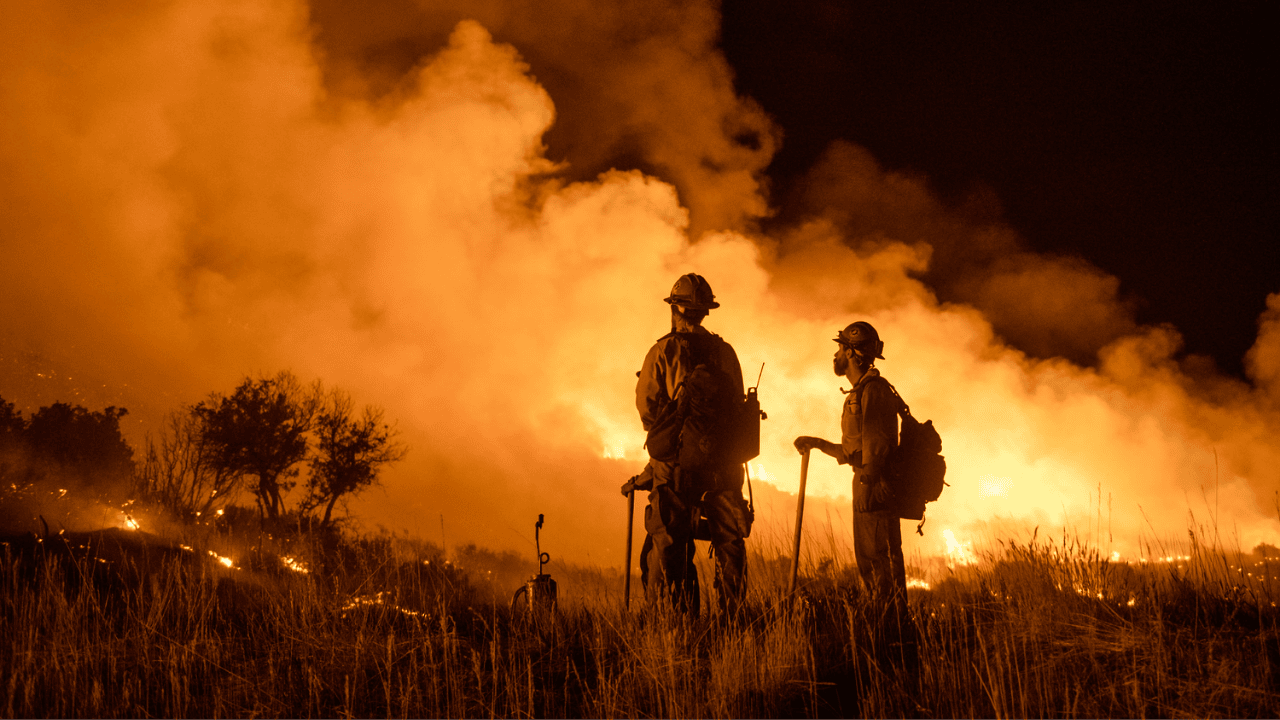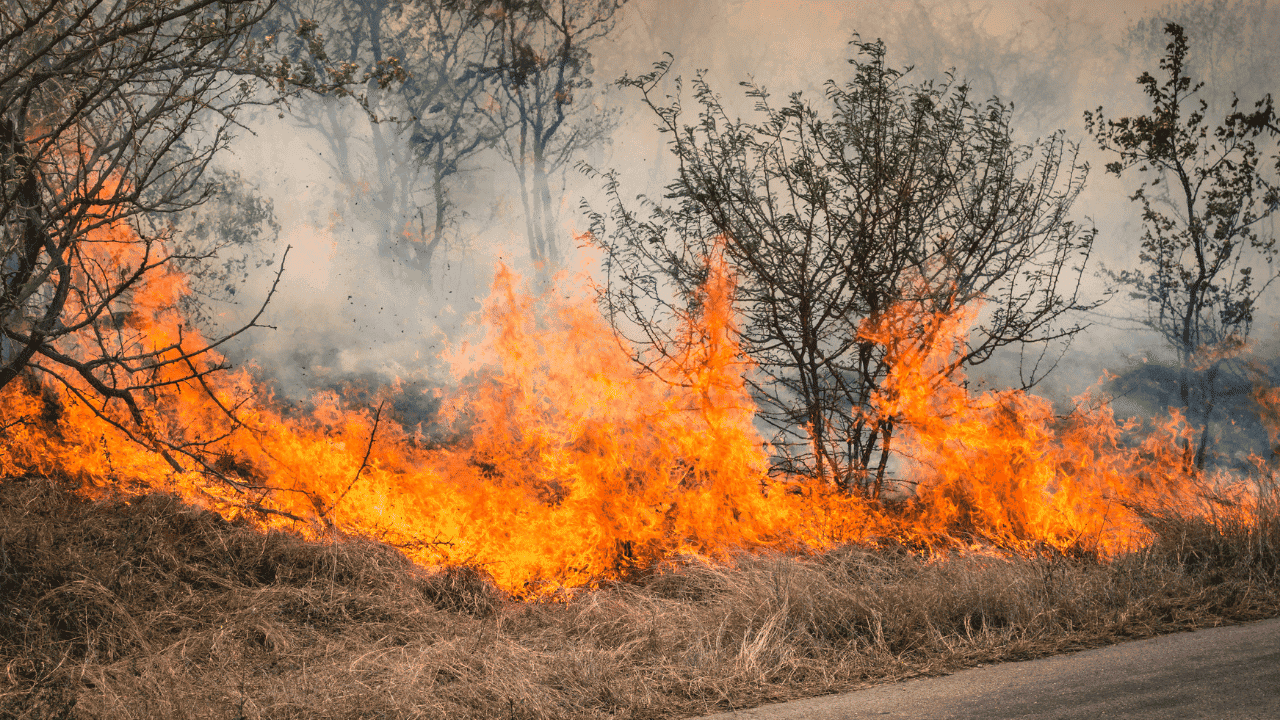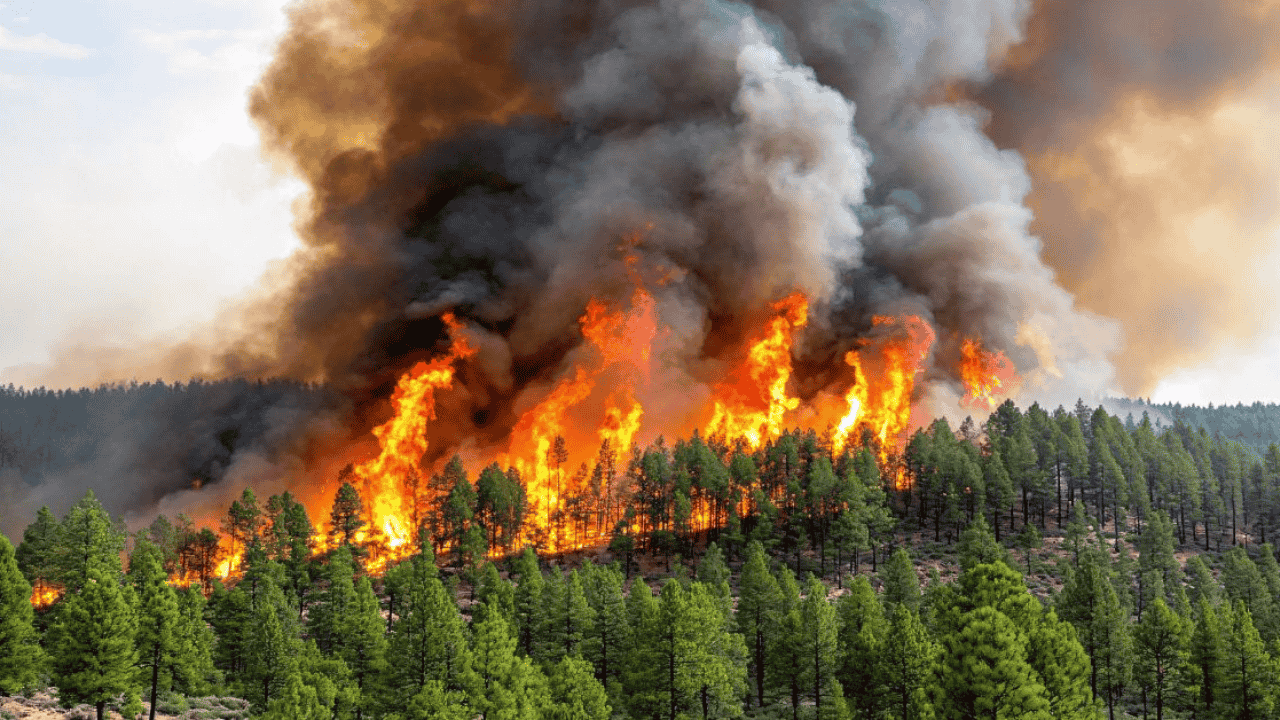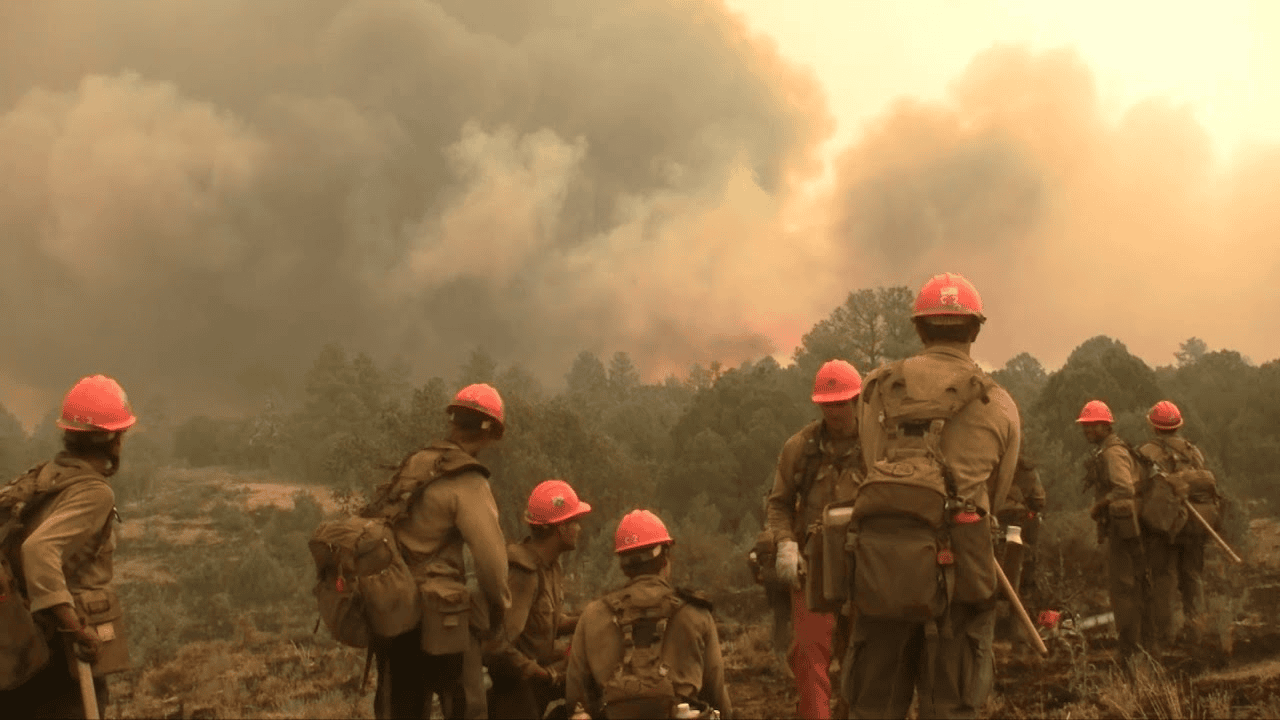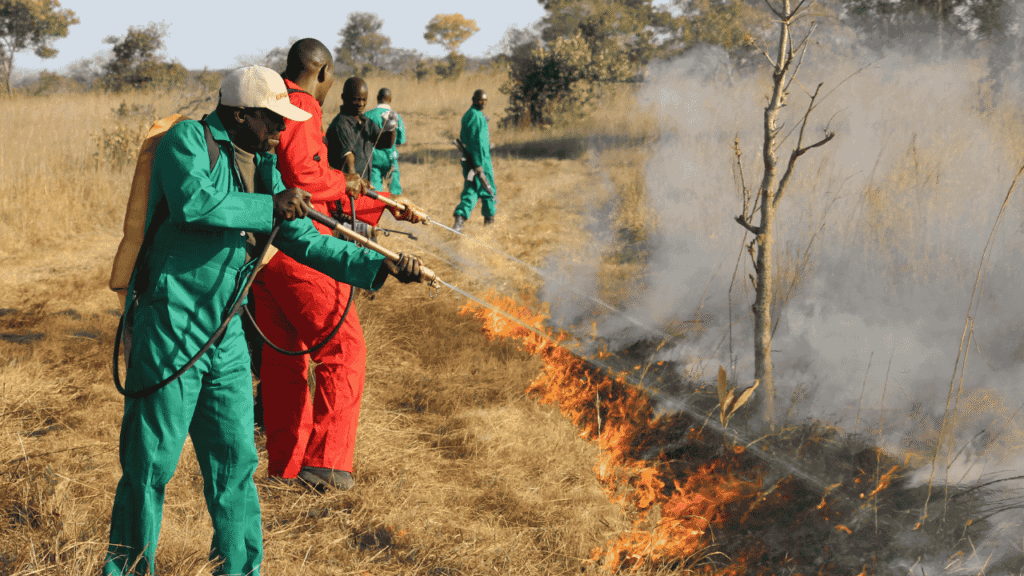
Wildfires are becoming increasingly frequent and severe in many regions of the United States, posing serious threats to lives, property, and natural landscapes. Community preparedness has emerged as a critical component of modern wildfire management, ensuring that residents, local authorities, and emergency services are ready to respond effectively when fire events occur. By combining education, planning, and local engagement, communities can reduce risk, improve response times, and enhance long-term resilience against wildfire hazards.
Table of Contents
Overview
| Aspect | Key Points |
|---|---|
| Focus Area | Community Preparedness in Wildfire Management |
| Stakeholders | Residents, local governments, fire departments, emergency agencies |
| Core Strategies | Public education, emergency drills, communication systems, mitigation projects |
| Key Benefits | Faster response, reduced property damage, safer evacuation, stronger resilience |
| Outcomes | Fire-adapted communities, informed residents, coordinated emergency management |
Risk Awareness
Community preparedness begins with awareness of local wildfire risks. Experts recommend mapping fire-prone areas, understanding historical fire patterns, and identifying vulnerable neighborhoods.
Residents who are aware of their community’s exposure to wildfire are better able to participate in mitigation efforts, implement defensible space around homes, and plan for emergency situations, reducing potential losses.
Emergency Planning
- Developing clear evacuation routes and safe assembly areas
- Coordinating with fire departments for real-time guidance during emergencies
- Establishing early-warning communication systems for residents
- Preparing emergency kits and household fire response plans
Effective emergency planning ensures that residents can act quickly and safely, preventing chaos and minimizing injuries during wildfire events.
Neighborhood Programs
- Forming local fire watch or volunteer teams to monitor risks
- Implementing community fuel reduction projects in shared spaces
- Hosting workshops on fire-resistant landscaping and home hardening
- Sharing best practices and experiences between households
Neighborhood-level programs foster a culture of collective responsibility, strengthening preparedness across entire communities.
Educational Outreach
Experts emphasize continuous education as a cornerstone of preparedness. Programs targeting schools, local organizations, and civic groups help residents understand wildfire behavior, mitigation strategies, and emergency procedures.
Educational initiatives also encourage residents to take proactive measures, such as creating defensible space, using fire-resistant building materials, and participating in community drills.
Technology Integration
- Mobile apps and SMS alerts for wildfire warnings
- GIS-based risk maps to identify high-exposure areas
- Social media platforms for community updates and information sharing
- Interactive tools for planning evacuation routes and household mitigation measures
Technology enables faster communication and data-driven decisions, empowering communities to respond effectively to evolving fire threats.
Collaborative Networks
Collaboration between residents, local agencies, and emergency services strengthens preparedness. This includes forming local advisory councils, coordinating with fire departments for training, and integrating community feedback into emergency plans.
Such networks ensure that everyone is aware of roles and responsibilities, creating a cohesive approach to wildfire response and mitigation.
Resource Readiness
Prepared communities maintain accessible resources, including:
- Fire suppression equipment for initial response
- Emergency shelters and safe zones
- Backup power and water supplies
- Pre-arranged transportation for vulnerable populations
Resource readiness ensures that residents and emergency personnel are equipped to handle wildfire events efficiently.
Lessons from Experience
Communities that have implemented structured preparedness programs consistently experience lower property damage, fewer injuries, and more efficient evacuations during wildfire events. Case studies indicate that even small mitigation steps, such as clearing vegetation near homes or participating in local drills, have significant cumulative benefits.
Learning from past fire events and integrating those lessons into local preparedness strategies strengthens long-term resilience.
Strengthening Engagement
Active participation by all community members is essential. Town hall meetings, local fire forums, and volunteer initiatives encourage residents to remain engaged in risk reduction, fostering a sustained culture of preparedness.
When residents, local authorities, and emergency services work together, communities are better equipped to respond to fires quickly, minimize loss, and support recovery efforts.
Final Analysis
Community preparedness is a foundational element of modern wildfire management, complementing agency-led response efforts and policy initiatives. By promoting awareness, education, collaboration, and practical mitigation measures, communities can reduce wildfire risk, protect property, and save lives.
Prepared, engaged communities are more resilient, responsive, and capable of coexisting safely with fire-prone landscapes, ensuring that modern wildfire management is effective and sustainable for the future.