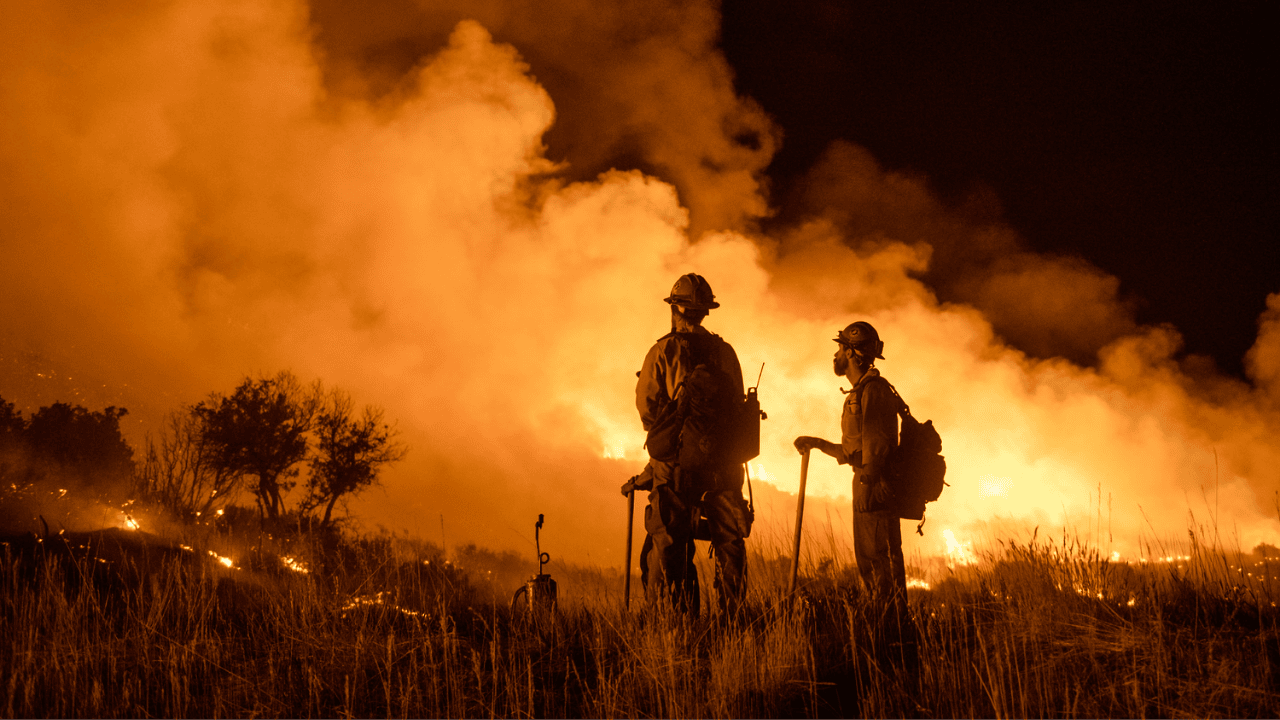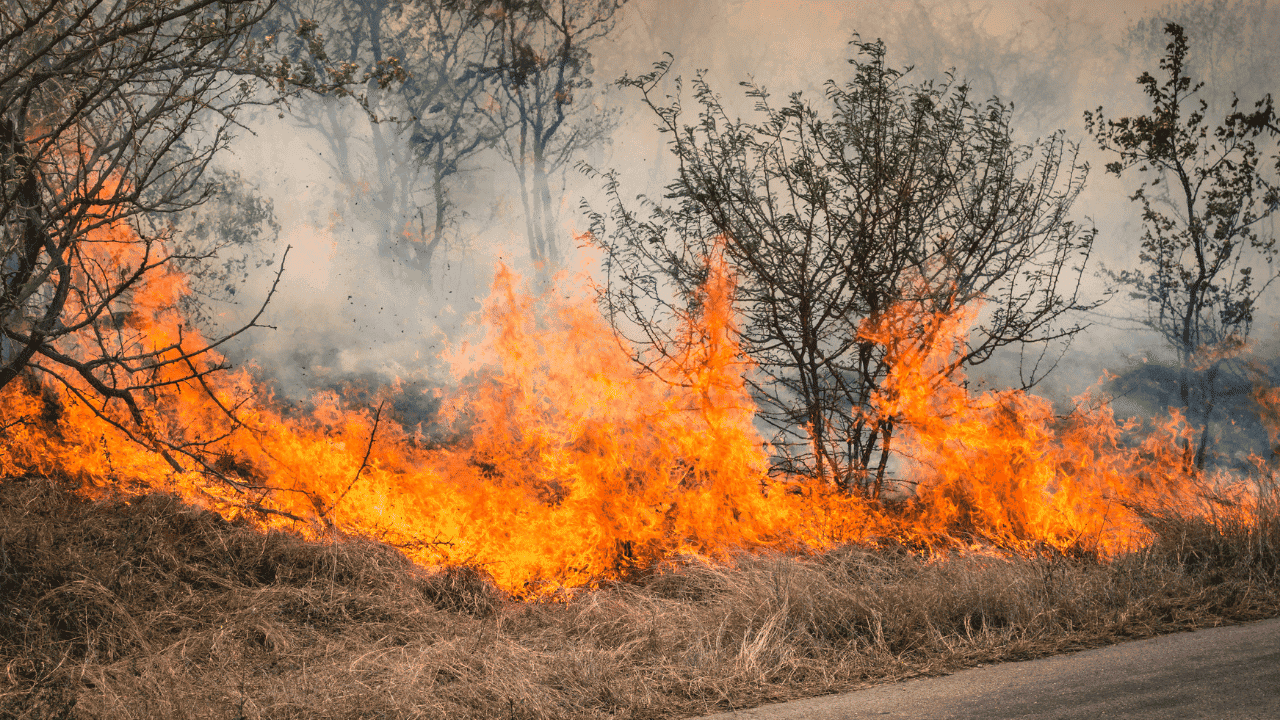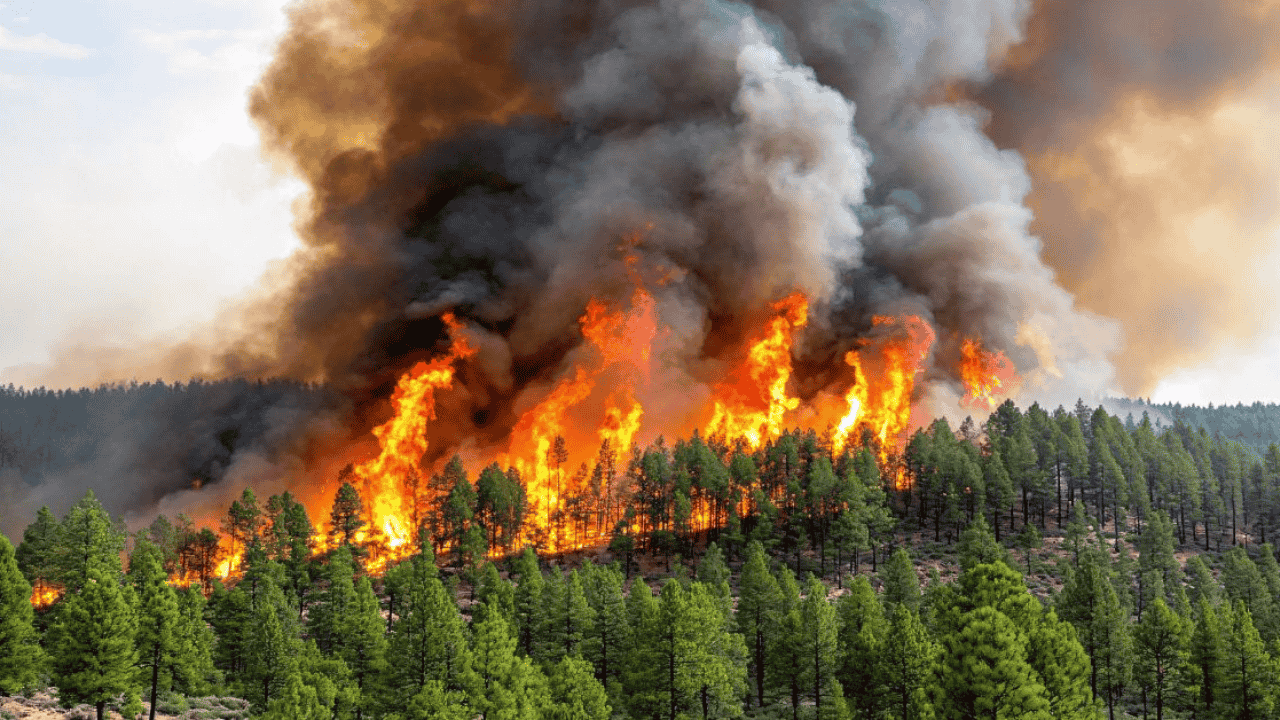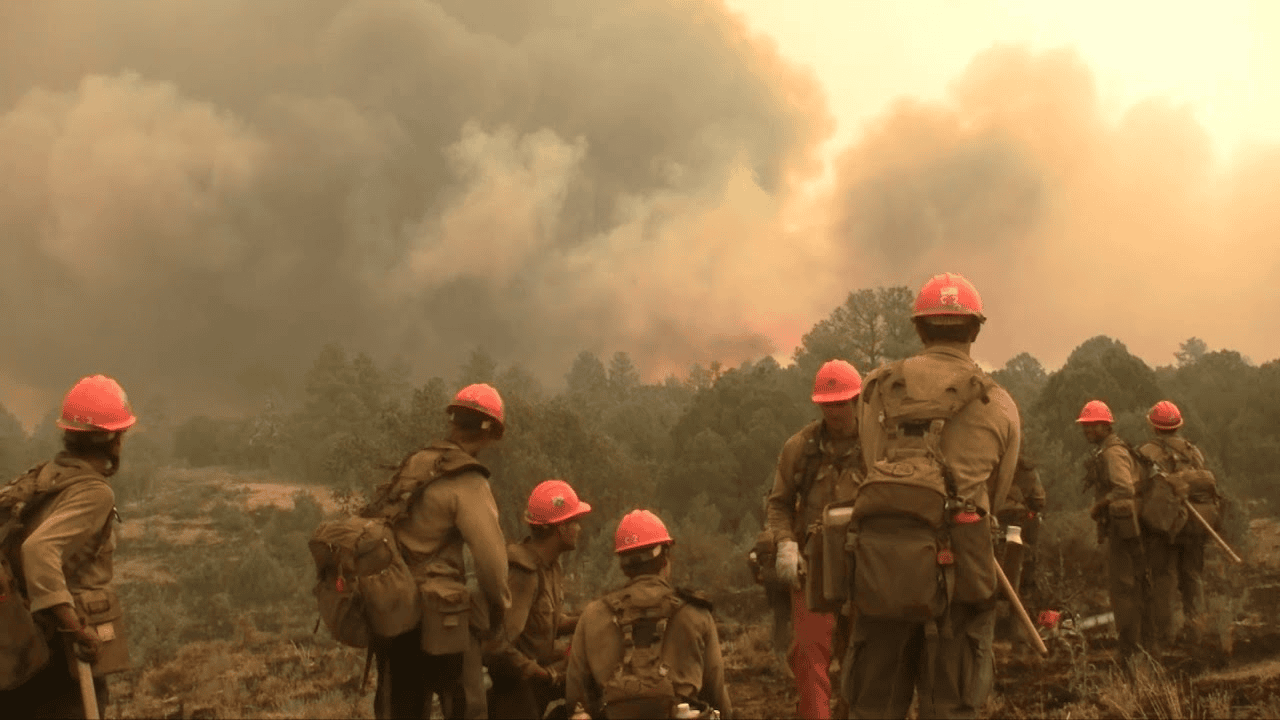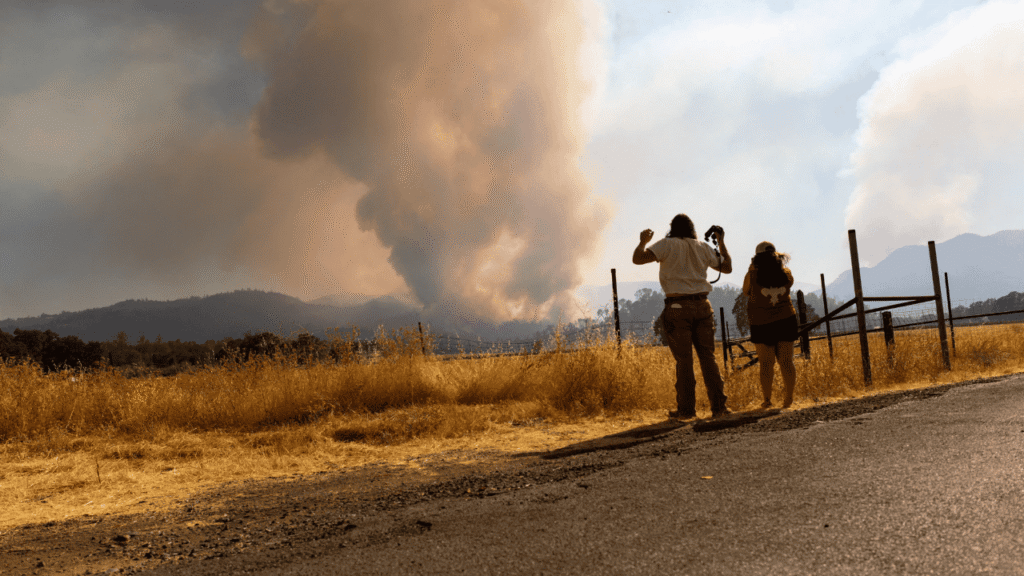
Wildfires pose an escalating threat to communities, infrastructure, and public finances across the United States. Each year, government agencies spend billions on emergency response, suppression, and post-fire recovery. While reactive spending addresses immediate threats, proactive investment in wildfire mitigation provides far greater long-term value. Strategic mitigation measures reduce the frequency, intensity, and impact of wildfires, ultimately protecting taxpayers from escalating costs.
Mitigation encompasses fuel reduction, community preparedness, land-use planning, and infrastructure resilience. When implemented consistently, these efforts lower suppression costs, reduce recovery expenses, and strengthen the economic and social resilience of affected regions.
Table of Contents
Wildfire Mitigation and Taxpayer Benefits
| Mitigation Strategy | Benefit to Taxpayers |
|---|---|
| Fuel Reduction | Lowers future suppression and damage costs |
| Prescribed Fire | Reduces extreme wildfire events |
| Community Preparedness | Limits property and economic losses |
| Infrastructure Hardening | Minimizes repair and replacement spending |
| Risk-Based Planning | Prioritizes cost-effective resource allocation |
Reduced Suppression Costs
One of the most immediate taxpayer benefits of wildfire mitigation is a reduction in emergency suppression spending. Fuel reduction, vegetation management, and strategic firebreaks decrease fire intensity and size, limiting the need for prolonged firefighting operations.
Studies show that every dollar invested in mitigation can save multiple dollars in suppression costs. This approach ensures taxpayer dollars are spent proactively rather than reacting to large, uncontrolled wildfires.
Preserving Property and Infrastructure
Mitigation measures such as defensible space, fire-resistant building materials, and community buffer zones protect homes, schools, and critical infrastructure. By preventing or limiting damage, these strategies reduce public spending on disaster recovery, insurance claims, and emergency assistance programs.
When infrastructure losses are minimized, communities face less disruption, and taxpayer funds are preserved for other essential services. Preventing damage before a wildfire occurs is far more cost-effective than post-fire rebuilding.
Community Preparedness
Investing in public education, evacuation planning, and emergency drills enhances community resilience. Prepared residents are more likely to act promptly during wildfire events, reducing property damage and emergency response needs.
Prepared communities also recover faster, lowering long-term expenditures on temporary housing, relief programs, and social services. Proactive engagement ensures that taxpayer funds are used efficiently and effectively.
Environmental and Economic Value
Wildfire mitigation protects ecosystems that support economic activity, including tourism, forestry, and recreation. Healthy landscapes reduce soil erosion, maintain water quality, and support biodiversity, limiting costs associated with environmental degradation.
Investments in restoration and ecosystem management create long-term financial savings by reducing the secondary effects of wildfires on agriculture, utilities, and municipal services. These preventive measures reduce indirect costs borne by taxpayers over decades.
Data-Driven Resource Allocation
Modern mitigation efforts rely on data to prioritize high-risk areas. Predictive modeling, historical fire data, and real-time monitoring ensure that limited resources target the locations where they have the greatest impact.
Efficient allocation minimizes wasted spending and enhances the return on taxpayer investment. By focusing on prevention in the most vulnerable areas, mitigation programs achieve measurable cost savings while enhancing public safety.
Policy and Funding Advantages
Federal, state, and local governments increasingly recognize the fiscal benefits of mitigation. Policies that incentivize fuel treatments, prescribed burns, and fire-resilient infrastructure encourage long-term planning rather than reactive spending.
Stable, well-targeted funding streams allow agencies to implement consistent mitigation measures over multiple years, amplifying cost-effectiveness. This alignment ensures taxpayers’ money is invested in strategies that deliver sustained financial and social benefits.
Health and Safety Benefits
Reducing wildfire severity protects public health by limiting smoke exposure and associated respiratory or cardiovascular impacts. Healthier populations mean lower public healthcare spending and improved workforce productivity.
Minimizing health risks translates into further long-term savings for taxpayers, complementing the direct financial benefits of reduced fire suppression and recovery costs.
Challenges and Considerations
Despite clear benefits, mitigation requires upfront investment, interagency coordination, and community engagement. Some measures, such as prescribed burns, carry perceived risks that must be managed carefully.
Overcoming these challenges ensures that mitigation programs deliver sustained savings and public safety benefits. Educating stakeholders about long-term returns on investment is critical for continued support.
Long-Term Return on Investment
Investing in wildfire mitigation consistently demonstrates strong financial returns. By reducing suppression costs, protecting property and infrastructure, and enhancing community resilience, mitigation programs save taxpayers money while improving public safety.
Proactive spending today reduces the likelihood of catastrophic expenses tomorrow. Mitigation ensures that taxpayer dollars are used efficiently, strategically, and sustainably.
Final Analysis
Wildfire mitigation is a cost-effective, long-term strategy that benefits both communities and taxpayers. Through fuel reduction, prescribed fire, community preparedness, and infrastructure resilience, governments can reduce the human, economic, and environmental impacts of wildfires.
Investing in prevention is not only a public safety imperative but also a sound fiscal decision. By prioritizing mitigation, taxpayers gain tangible savings, healthier ecosystems, and more resilient communities prepared to withstand future wildfire challenges.