Many organizations have a strategy in someone’s head, scattered across slide decks or buried in old meeting notes. A written strategic plan brings it together in one place, so leaders, employees, investors, lenders and board members can see where the organization is going, why and how it will get there. A good strategic plan is not a thick binder that sits on a shelf. It is a practical guide that shapes budgets, priorities and daily decisions.
This guide explains how to write a strategic plan step by step. It covers what a strategic plan is, who should be involved, the main sections, how to gather input, analyze the situation, set goals and priorities, build action plans, budget and measure progress, plus templates, tips and common mistakes. It works for small businesses, larger companies and nonprofits alike.
Table of Contents
What a Strategic Plan Is
A strategic plan is a document that describes an organization’s direction over a set period, commonly three to five years, and the priorities it will pursue to achieve its goals. It connects long-term purpose with concrete actions. A strategic plan typically answers:
- Who are we and why do we exist?
- Where are we now?
- Where do we want to be?
- How will we get there?
- How will we know if we are succeeding?
Strategic Plan Versus Business Plan
The two are related but serve different purposes. A business plan often focuses on launching or funding a business, with detailed market analysis, financial projections and operating plans, and it is frequently used to secure loans or investment. A strategic plan focuses on direction and priorities for an existing organization over several years. Many established businesses keep both: a strategic plan for direction and an annual operating plan or budget for execution.
Who Should Be Involved
Strategic planning works best when ownership sits with senior leaders, but input comes from many sources:
- Owners, executives and board members who set direction and approve the plan.
- Managers and team leaders who understand operations and implementation.
- Frontline employees who see customer issues firsthand.
- Customers and partners who provide outside perspective.
- Finance and operations staff who test feasibility.
- External facilitators or consultants, when objectivity or specialized expertise is needed.
The Main Sections of a Strategic Plan
| Section | Purpose | Typical Contents |
|---|---|---|
| Executive summary | Give a quick overview | Key direction, priorities and goals on one page |
| Mission, vision and values | Define purpose and identity | Mission statement, vision statement, core values |
| Situation analysis | Describe current position | SWOT, PESTLE, market and competitor insights |
| Strategic priorities | Set focus areas | Three to five major themes or pillars |
| Goals and objectives | Define measurable targets | SMART objectives under each priority |
| Action plans | Turn strategy into work | Initiatives, owners, timelines, resources |
| Financial plan | Show resource needs | Budgets, investments, funding sources |
| Measurement and review | Track progress | KPIs, dashboards, review schedule |
Step 1: Prepare for Planning
Before writing anything, set up the process:
- Define the planning horizon, such as three or five years.
- Agree on who will lead the process and who will contribute.
- Set a timeline with key milestones and decision points.
- Review the previous plan, if one exists, and what was achieved.
- Collect key data: financial results, customer feedback, market research and operational metrics.
Step 2: Confirm Mission, Vision and Values
The mission explains why the organization exists, the vision describes the future it aims to create, and values describe how people will behave. If these already exist, review them to confirm they still fit. If not, draft them with leaders and staff. They act as a filter for later decisions.
Step 3: Analyze the Current Situation
Use structured tools to understand where you stand:
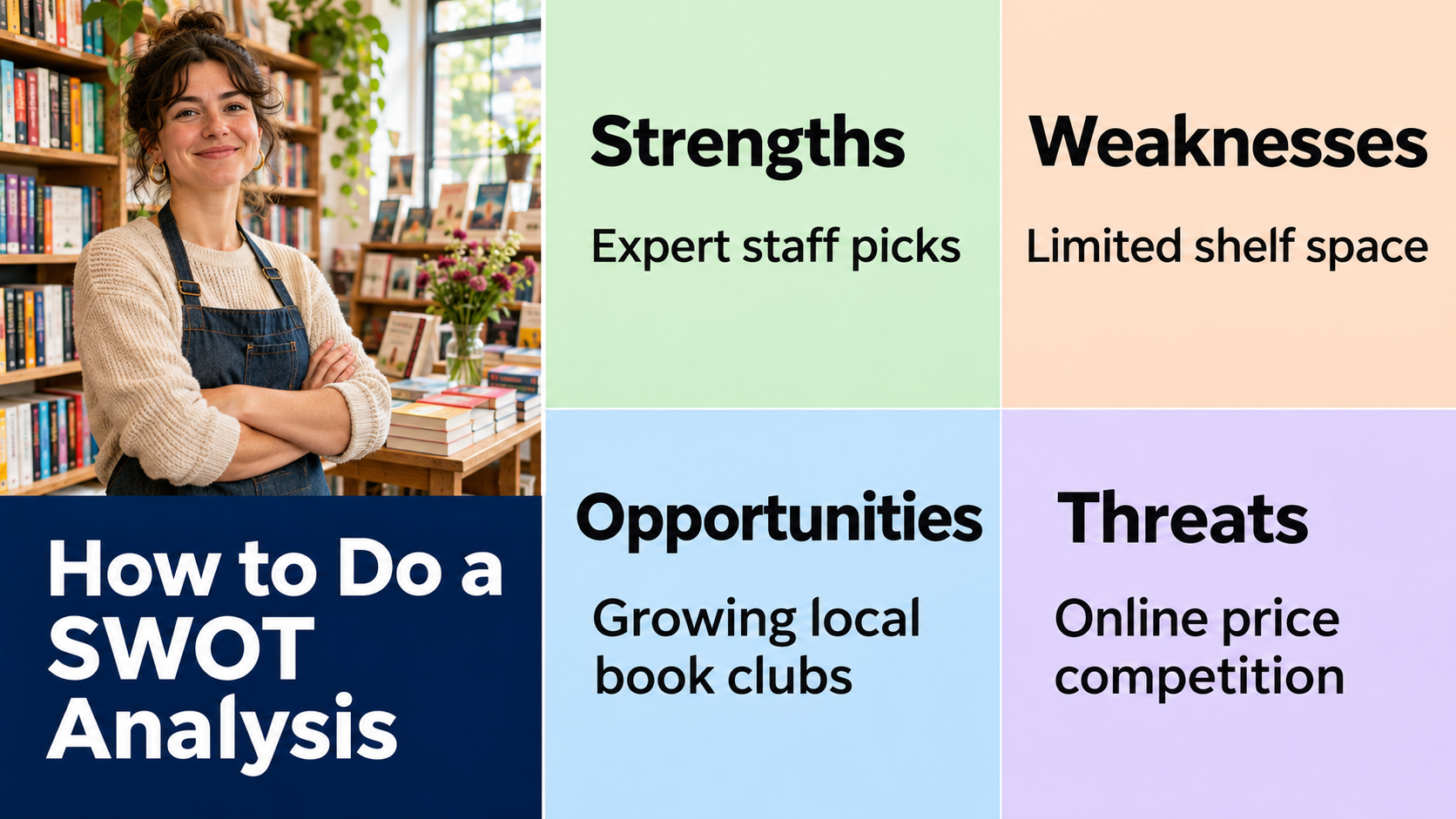
- SWOT analysis: internal strengths and weaknesses, external opportunities and threats.
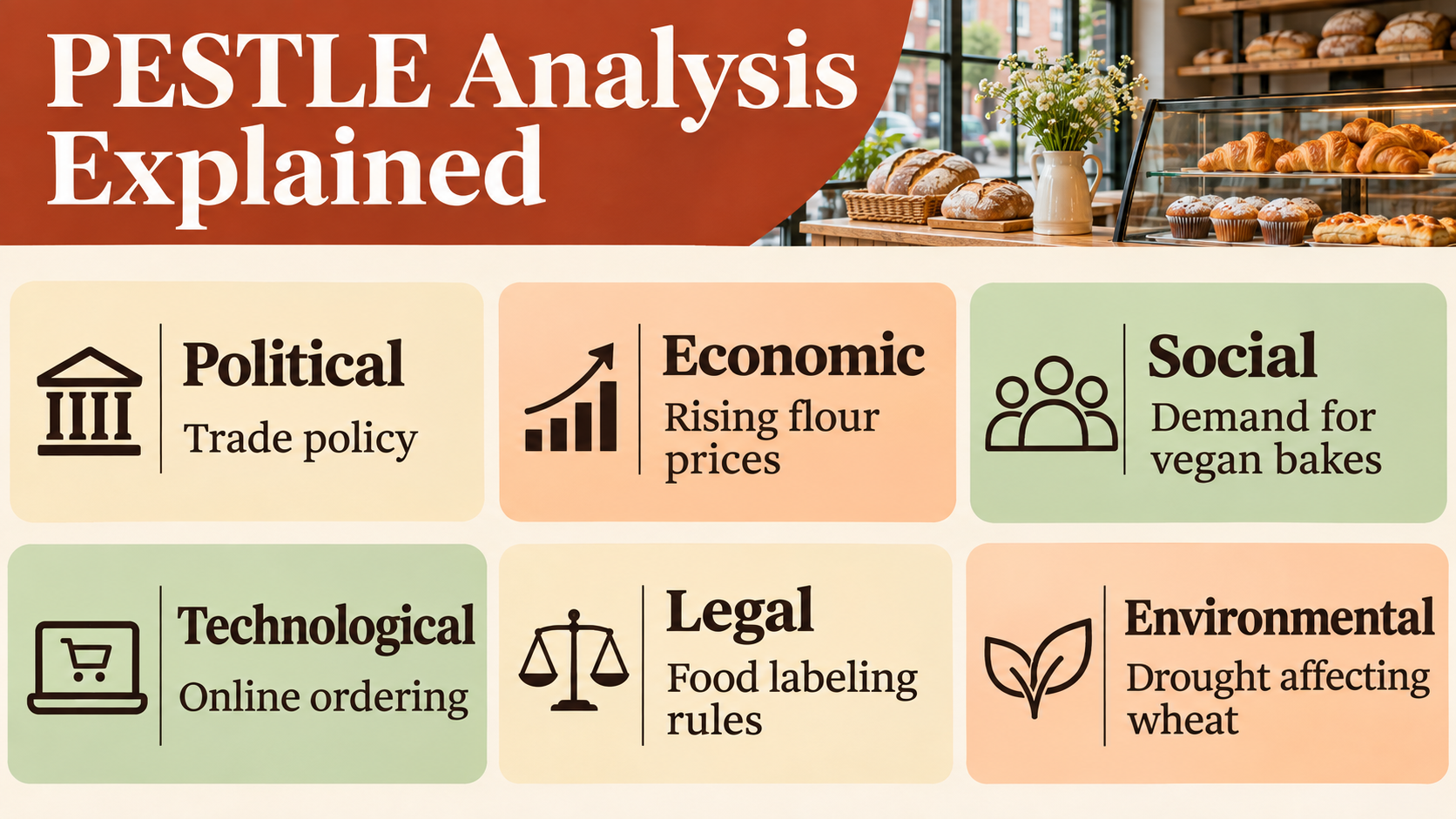
- PESTLE analysis: political, economic, social, technological, legal and environmental trends.
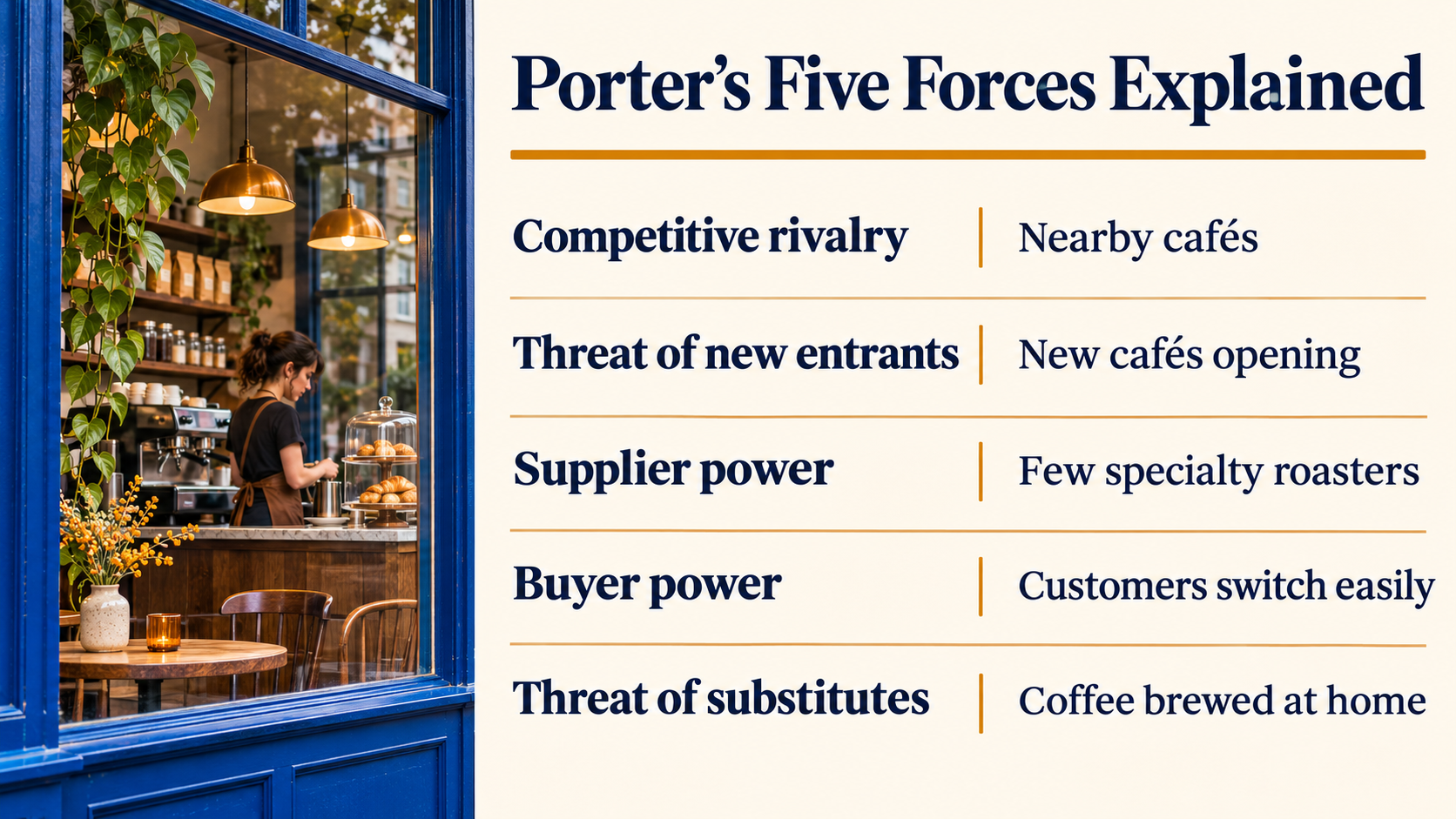
- Porter’s Five Forces: industry competition and profitability drivers.
- Competitor analysis: how rivals compete and where gaps exist.
- Customer research: needs, satisfaction and buying behavior.
- Financial review: revenue trends, margins, cash flow and debt.
Summarize the most important insights rather than including every detail. Long appendices can hold supporting data.
Step 4: Choose Strategic Priorities
Based on the analysis, select three to five priorities that will make the biggest difference. Examples might include expanding into a new region, improving customer experience, launching digital services, reducing costs or building talent. Each priority should connect directly to the mission and vision.
Choosing priorities also means deciding what not to do. A plan that tries to pursue everything usually achieves little.
Step 5: Set SMART Goals
Under each priority, set objectives that are:
- Specific: clearly defined.
- Measurable: tied to numbers or clear indicators.
- Achievable: realistic given resources.
- Relevant: connected to the priority.
- Time-bound: with a deadline.
For example, rather than “improve customer service,” a SMART objective might be “increase customer satisfaction scores from 78 to 85 within 18 months.”
Step 6: Build Action Plans
For each objective, define the initiatives needed to achieve it:
- Key actions and projects.
- Owner responsible for each action.
- Start and end dates.
- Resources required, such as budget, staff and technology.
- Dependencies on other projects.
- Risks and how they will be managed.
Action plans often live in a separate operational document or project management tool that is updated more frequently than the strategic plan itself.
Step 7: Align the Budget
A strategy without resources is only a wish list. Align the budget with strategic priorities by:
- Estimating costs of key initiatives.
- Identifying funding sources, such as operating cash flow, loans, lines of credit, grants or investors.
- Reallocating spending from low-priority areas.
- Planning for risks with contingency funds and appropriate business insurance.
- Considering tax implications of major investments with a qualified accountant.
Step 8: Define Measures and Reviews
Choose key performance indicators for each priority and set a review schedule. Many organizations review progress monthly or quarterly and update the plan annually. A one-page dashboard can show status for each priority, highlighting what is on track and what needs attention.
Step 9: Write, Share and Launch
Write the plan in clear, simple language. Start with a one-page summary, followed by more detail. Share it widely through meetings, internal presentations and team discussions. Explain how each team contributes. Launching the plan with energy helps build commitment.
A Simple Strategic Plan Outline
- Cover page and executive summary.
- Mission, vision and values.
- Where we are today: key findings from analysis.
- Where we are going: strategic priorities.
- Goals and objectives for each priority.
- Key initiatives and timelines.
- Resources and budget summary.
- Measures of success and review process.
- Appendices with supporting data.
Tips for Writing a Plan People Will Use
- Keep the core plan short; many effective plans fit within ten to twenty pages.
- Use plain language rather than jargon.
- Make priorities memorable, perhaps with short names.
- Show the connection between daily work and strategic goals.
- Include visuals such as timelines and dashboards.
- Build in flexibility to adjust as conditions change.
- Celebrate milestones to maintain momentum.
Common Strategic Planning Mistakes
- Too many priorities, diluting focus and resources.
- Goals without owners or deadlines.
- Ignoring the budget, leaving initiatives unfunded.
- Excluding staff who must implement the plan.
- Writing a plan that is too long to read.
- Failing to review progress regularly.
- Confusing a list of projects with a strategy.
- Copying another organization’s plan without adapting it.
Strategic Planning for Nonprofits
Nonprofit organizations follow a similar process, with a few differences. Their mission is often central to every decision, and success is measured by impact as well as financial health. Nonprofit strategic plans commonly address:
- Program priorities and the communities served.
- Fundraising strategy, including grants, individual donors and corporate partners.
- Board governance and volunteer engagement.
- Impact measurement and reporting to funders.
- Financial sustainability and reserves.
Funders frequently ask to see a current strategic plan, so a clear, well-written plan can support grant applications.
Managing Risk in the Plan
Every strategy carries risks. Including a short risk section helps leaders prepare. List the main risks to each priority, such as losing a major customer, delays in hiring, cost increases, technology failures, regulatory changes or economic downturns. For each, estimate likelihood and impact and describe how it will be managed. Risk responses might include diversifying customers, building cash reserves, securing lines of credit, strengthening cybersecurity or reviewing business insurance, including property, liability, cyber and business interruption coverage.
Communicating the Plan to Different Audiences
Different groups need different versions of the plan:
- Board and owners: the full plan, with financials and risk assessments.
- Employees: a short summary explaining priorities and how each team contributes.
- Investors and lenders: highlights of growth plans, financial projections and risk management.
- Customers and partners: selected elements, such as service improvements or new offerings, where appropriate.
Tailoring the message increases understanding and support without overwhelming audiences with unnecessary detail.
Keeping the Plan Alive
Many plans lose momentum within months. To keep yours active, review progress at regular leadership meetings, update action plans as projects finish, share success stories with staff and adjust priorities if major changes occur. A short annual refresh workshop can confirm what still holds and what needs to change.
Using Templates and Software
Templates can speed up planning, but they should be adapted rather than copied. Simple spreadsheets and documents work for many small organizations, while larger teams may use project management or strategy execution software to track goals, owners and progress. Whatever tools you choose, keep the focus on clear thinking and accountability rather than formatting.
A Planning Timeline Example
A small or mid-sized organization might complete its strategic plan over about two to three months: two to four weeks for data gathering and interviews, a one- or two-day strategy workshop, two to three weeks for drafting priorities, goals and action plans, a review round with leaders and the board, and a final launch. Larger organizations may take longer, especially if they involve many regions or stakeholders.
Building in this kind of schedule from the start helps everyone know when their input is needed and keeps the process from stalling.
Final Thoughts
Writing a strategic plan turns ideas about the future into a clear roadmap. The process starts with preparation and a confirmed mission, vision and values, moves through honest analysis of the current situation and then focuses on a small number of strategic priorities with SMART goals. Action plans, aligned budgets and clear measures turn those priorities into real work. The best plans are concise, widely shared, regularly reviewed and flexible enough to adapt when circumstances change. Whether you lead a small business, a growing company or a nonprofit, a well-written strategic plan helps everyone pull in the same direction and makes success far more likely.
Frequently Asked Questions
1. How long should a strategic plan be?
There is no fixed length, but many effective strategic plans keep the core document short, often between ten and twenty pages, with a one-page summary and supporting detail in appendices.
2. How many years should a strategic plan cover?
Many organizations use three- to five-year plans, with annual reviews and operating plans to adjust priorities and budgets.
3. What is the difference between a strategic plan and an action plan?
A strategic plan sets long-term direction, priorities and goals, while an action plan details the specific tasks, owners, timelines and resources needed to achieve them.