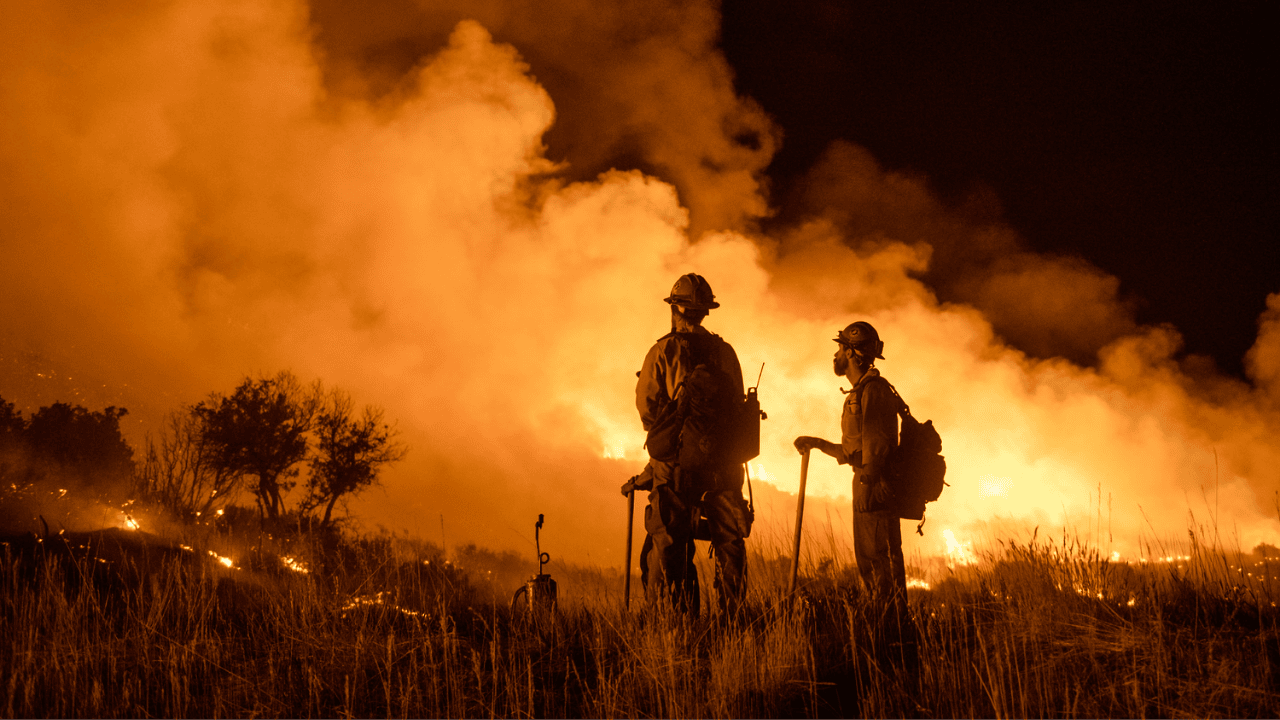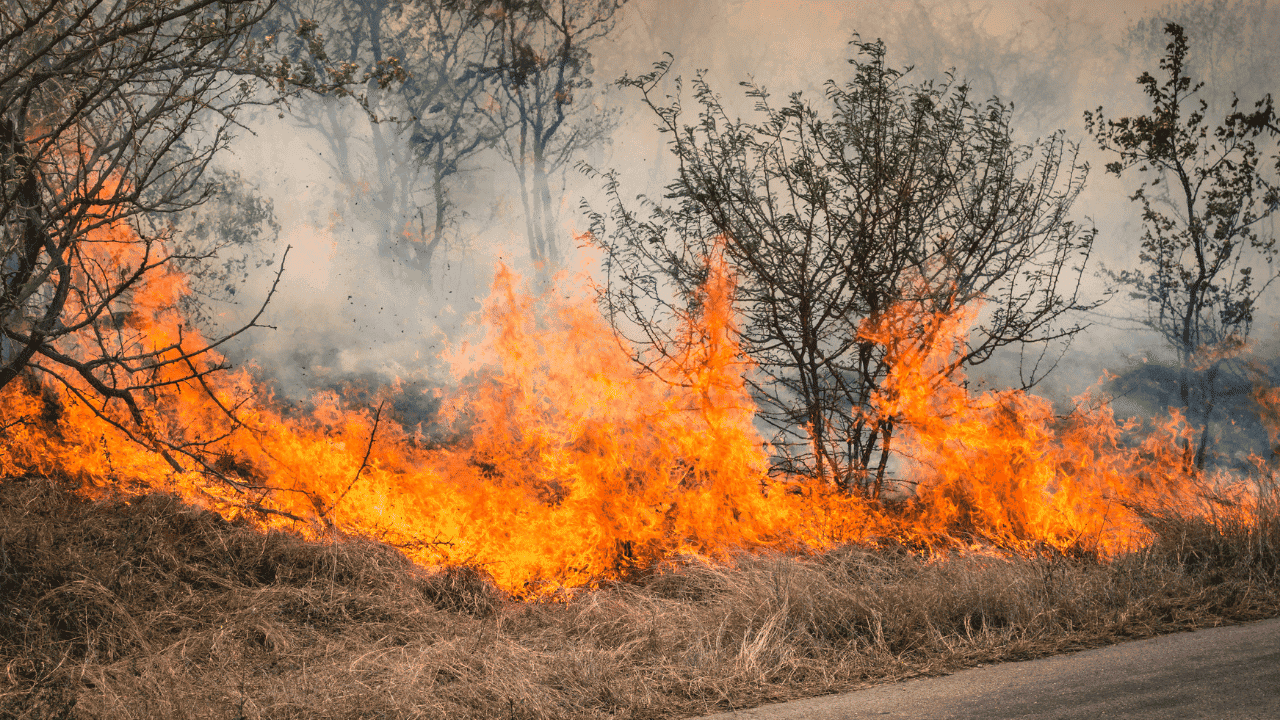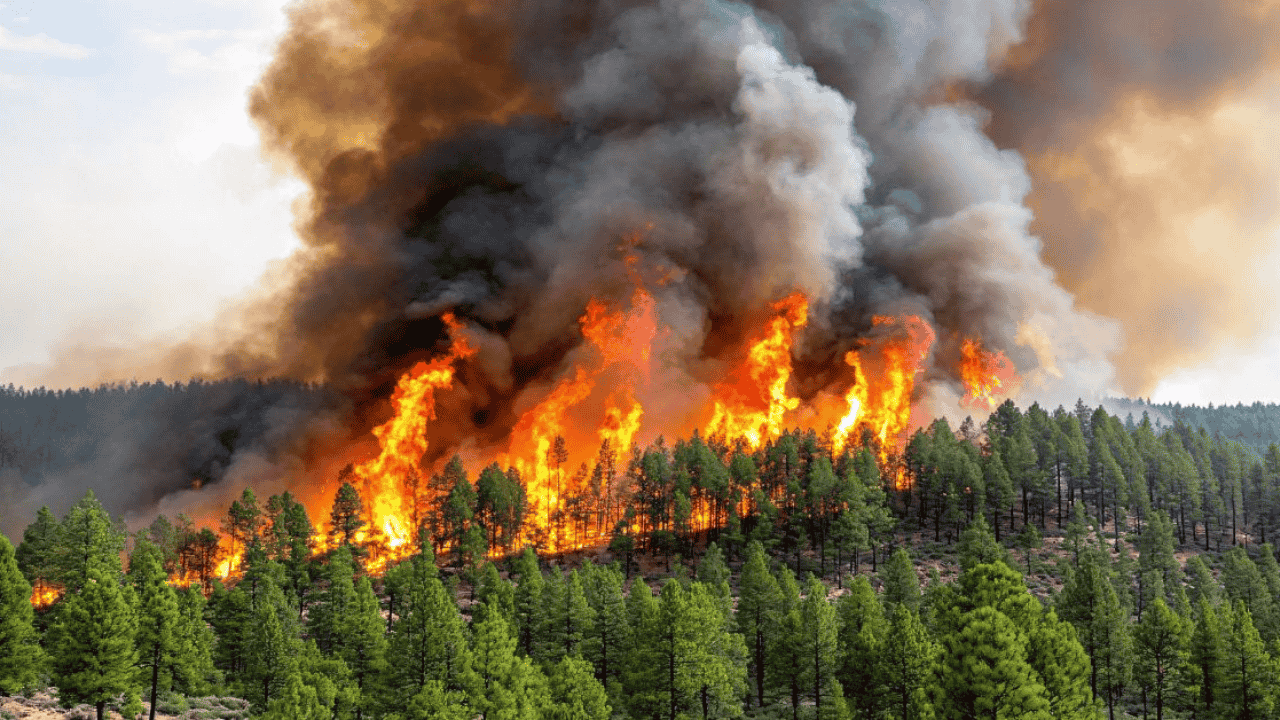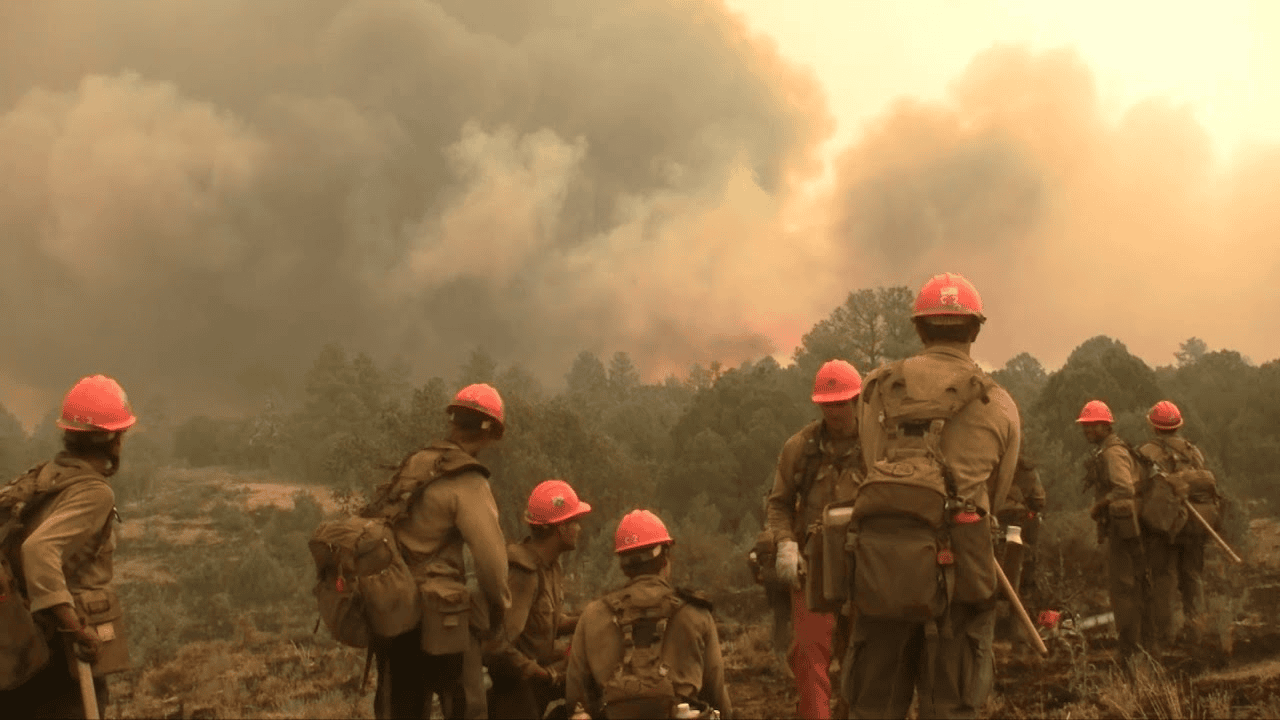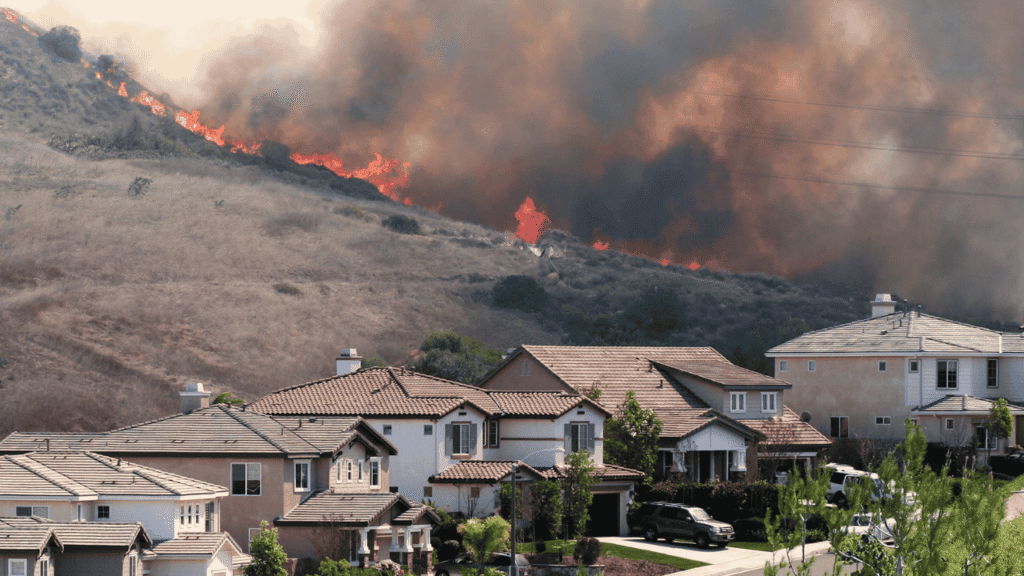
As wildfires grow more frequent and destructive, planning for wildfire management has become critical to protecting homes, businesses, and essential infrastructure. Wildland fire planning integrates scientific data, risk assessments, and community input to develop strategies that minimize damage and enhance safety. Effective planning ensures that resources are allocated efficiently, emergency response is coordinated, and both natural landscapes and human-built environments can withstand fire events.
Table of Contents
Overview
| Aspect | Key Points |
|---|---|
| Focus Area | Wildland Fire Planning for Homes and Infrastructure |
| Stakeholders | Federal, state, local agencies, emergency responders, and homeowners |
| Planning Tools | Hazard mapping, fire behavior modeling, community preparedness, infrastructure risk analysis |
| Key Objectives | Protect property, ensure critical infrastructure resilience, reduce fire spread, and improve response |
| Expected Outcomes | Safer communities, reduced property loss, faster emergency response |
Risk Mapping
Wildland fire planning begins with identifying areas of high vulnerability. Hazard maps use topography, vegetation density, historical fire data, and weather patterns to locate regions most at risk.
These maps guide decisions on where to implement fuel reduction, defensible space, and evacuation planning, allowing agencies to prioritize high-risk neighborhoods and critical infrastructure such as power lines, hospitals, and water systems.
Infrastructure Protection
- Reinforcing buildings with fire-resistant materials
- Installing ember-proof vents and barriers
- Creating defensible perimeters around key structures
- Coordinating with utility providers to safeguard critical services
Experts note that protecting infrastructure requires both structural improvements and strategic landscape management to prevent fires from spreading into essential facilities.
Evacuation Planning
- Developing community-specific evacuation routes
- Coordinating with emergency responders for traffic flow and resource staging
- Establishing early-warning systems for residents
- Conducting public drills to ensure preparedness
Well-designed evacuation planning reduces casualties and ensures that residents and critical infrastructure remain safe during wildfire events.
Vegetation Management
Strategic vegetation management helps reduce fire intensity around homes and infrastructure. Practices include:
- Removing dead or highly flammable plants near structures
- Maintaining fuel breaks in open spaces
- Conducting controlled burns to reduce excess vegetation
- Using native, low-flammability plants in landscaping
By controlling the immediate environment around structures, planners reduce the likelihood of fire spreading into urban and suburban areas.
Community Coordination
Effective wildland fire planning requires strong collaboration among stakeholders. Local governments, fire departments, utility providers, and homeowners must communicate to align mitigation efforts, emergency response plans, and recovery strategies.
Community coordination ensures that everyone understands their role, from reducing individual risk to supporting broader emergency operations.
Technology Applications
- Fire behavior modeling to predict potential fire spread
- Satellite monitoring for early detection
- GIS mapping to identify at-risk infrastructure and neighborhoods
- Communication platforms to coordinate multi-agency responses
These technologies allow planners to anticipate threats, respond proactively, and optimize resource allocation, making wildfire management more effective.
Training Programs
Specialized training programs for residents, emergency responders, and planners improve preparedness. These include:
- Workshops on defensible space and home hardening
- Simulation exercises for fire events
- Coordination drills between agencies and community groups
- Education on evacuation procedures and risk mitigation
Training ensures that both professionals and community members are ready to act efficiently when a wildfire strikes.
Recovery Planning
Beyond prevention, wildland fire planning also considers post-fire recovery. Strategies include:
- Protecting infrastructure during firefighting operations
- Rapid assessment of damage to homes and utilities
- Coordinating temporary housing and essential services
- Long-term landscape restoration to reduce future fire risk
Recovery planning ensures that communities can return to normalcy quickly while reducing vulnerability to subsequent fires.
Strategic Insights
Wildland fire planning is more than just firefighting; it’s about integrated community resilience. By combining hazard mapping, infrastructure protection, vegetation management, and community coordination, planners create environments that are less susceptible to wildfire damage.
Proactive planning safeguards lives, preserves critical infrastructure, and ensures that communities can withstand and recover from fire events efficiently.
Final Thoughts
Effective wildland fire planning provides a blueprint for protecting homes and infrastructure from increasingly frequent and severe wildfires. Integrating science, technology, and community participation ensures that risks are managed before fires occur, responses are coordinated, and recovery is swift.
As wildfire seasons intensify, structured planning becomes essential for safeguarding both human communities and the natural landscapes they inhabit, creating safer and more resilient regions for the future.