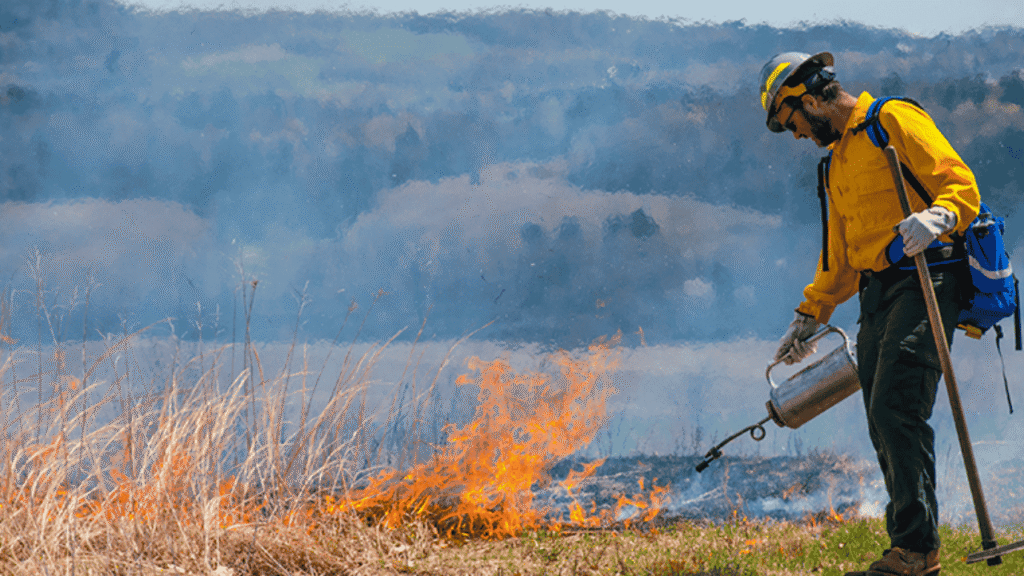
Escalating wildfire intensity has forced land managers and communities to rethink how fire is managed across diverse landscapes. Among the most widely discussed and carefully evaluated approaches is prescribed burning, a proactive technique emphasized during the Cohesive Strategy Workshop. Prescribed burns are planned, controlled fires designed to reduce hazardous fuel, restore ecological balance, and lower the risk of catastrophic wildfires that threaten lives and infrastructure.
When applied correctly, prescribed burning serves as both a preventive and restorative tool, aligning science, community safety, and long-term land stewardship into a single fire management strategy.
Table of Contents
Strategic Overview
| Focus Area | Core Purpose |
|---|---|
| Fire Technique | Prescribed or controlled burning |
| Primary Goal | Reduce hazardous fuel loads |
| Key Participants | Fire managers, land agencies, trained crews |
| Community Impact | Lower wildfire intensity near communities |
| Long-Term Benefit | Healthier, fire-resilient landscapes |
Controlled Intent
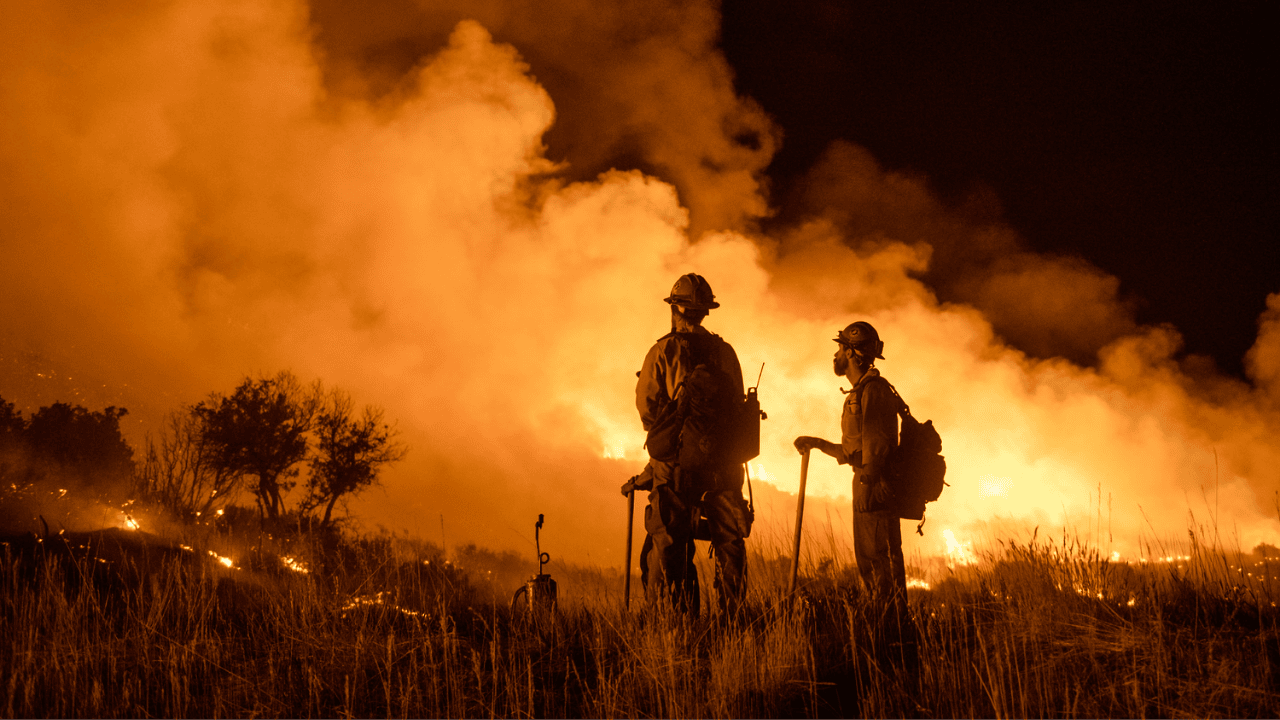
Prescribed burns are intentional fires conducted under specific weather, fuel, and terrain conditions. Unlike uncontrolled wildfires, these burns follow detailed plans that outline ignition methods, containment strategies, and safety measures.
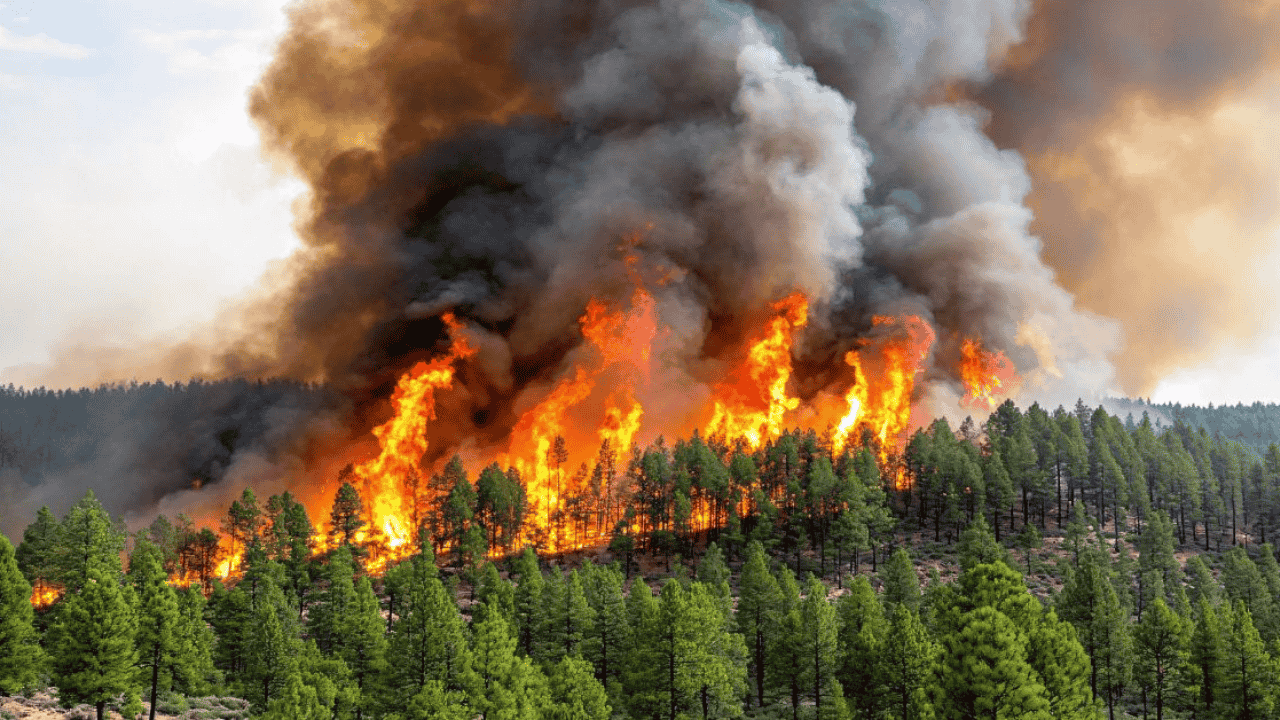
The purpose is not destruction but risk reduction and ecosystem maintenance. By safely removing excess vegetation, prescribed burns decrease the likelihood that future wildfires will spread rapidly or burn at extreme intensities.
Fuel Reduction
- Removing accumulated dead wood and dry vegetation
- Limiting ladder fuels that allow fires to climb into tree canopies
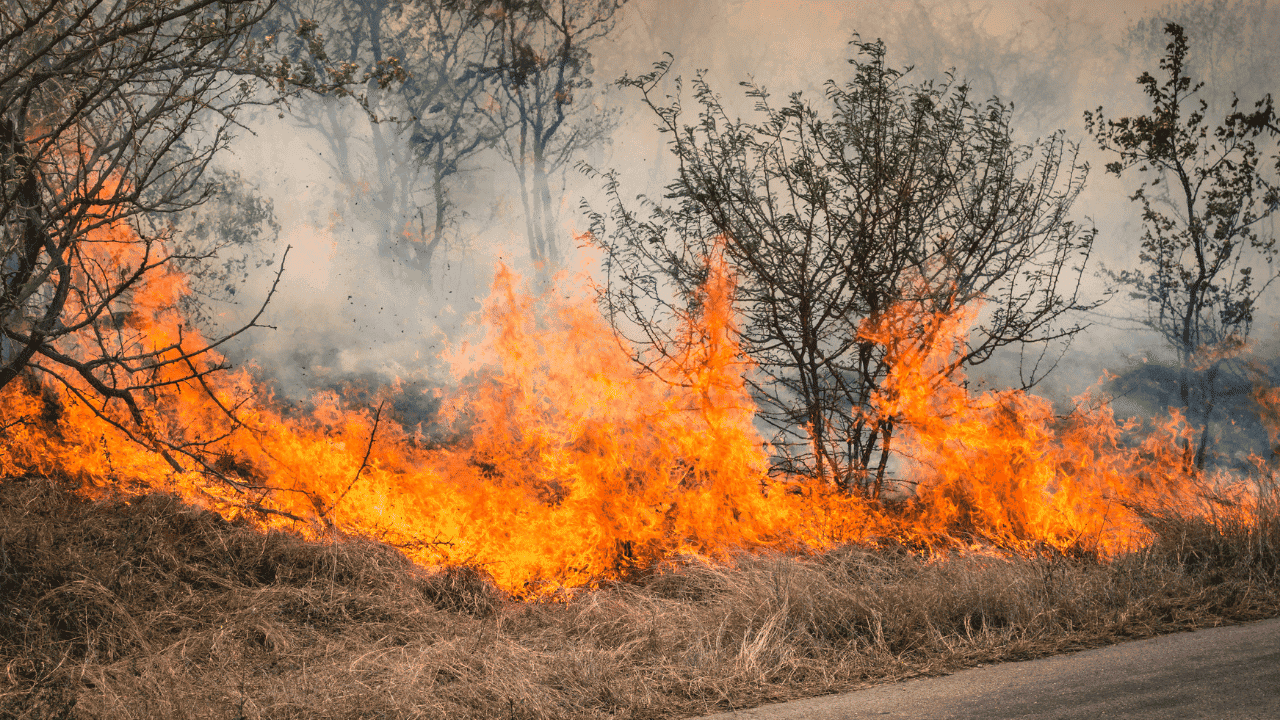
- Reducing surface fuel that accelerates fire spread
- Creating breaks that slow advancing flames
Fuel reduction is one of the most effective outcomes of prescribed burning. Areas treated with planned fires consistently experience less severe wildfire behavior, improving firefighter safety and protecting nearby communities.
Ecological Balance
Fire has long been a natural part of many ecosystems. Suppressing all fire over decades has disrupted these natural cycles, leading to unhealthy forests and grasslands.
Prescribed burns help restore balance by encouraging native plant growth, recycling nutrients into the soil, and controlling invasive species. These ecological benefits strengthen landscapes, making them more resilient to future fire events while supporting wildlife habitats.
Community Safeguards
- Establishing buffer zones near homes and infrastructure
- Reducing ember generation during wildfire events
- Supporting defensible space initiatives
- Protecting evacuation corridors and utility lines
At the workshop, experts emphasized that prescribed burns are not conducted in isolation. They are strategically placed to enhance community safety, especially in areas where development meets fire-prone landscapes.
Operational Planning
Executing a prescribed burn requires extensive preparation. Fire managers assess fuel conditions, weather forecasts, smoke dispersion, and available resources before ignition. Contingency plans are developed to address unexpected changes.
This careful planning ensures that prescribed burns remain controlled, predictable, and aligned with public safety goals, minimizing risk to nearby populations.
Public Communication
Clear communication is essential to the success of prescribed burning programs. Communities are informed in advance about burn schedules, smoke expectations, and safety precautions.
Transparent communication builds trust and helps residents understand why temporary smoke or restricted access leads to long-term reductions in wildfire danger.
Training Standards
- Certification for burn bosses and fire crews
- Ongoing skill development through simulations
- Interagency coordination exercises
- Emphasis on safety protocols and decision-making
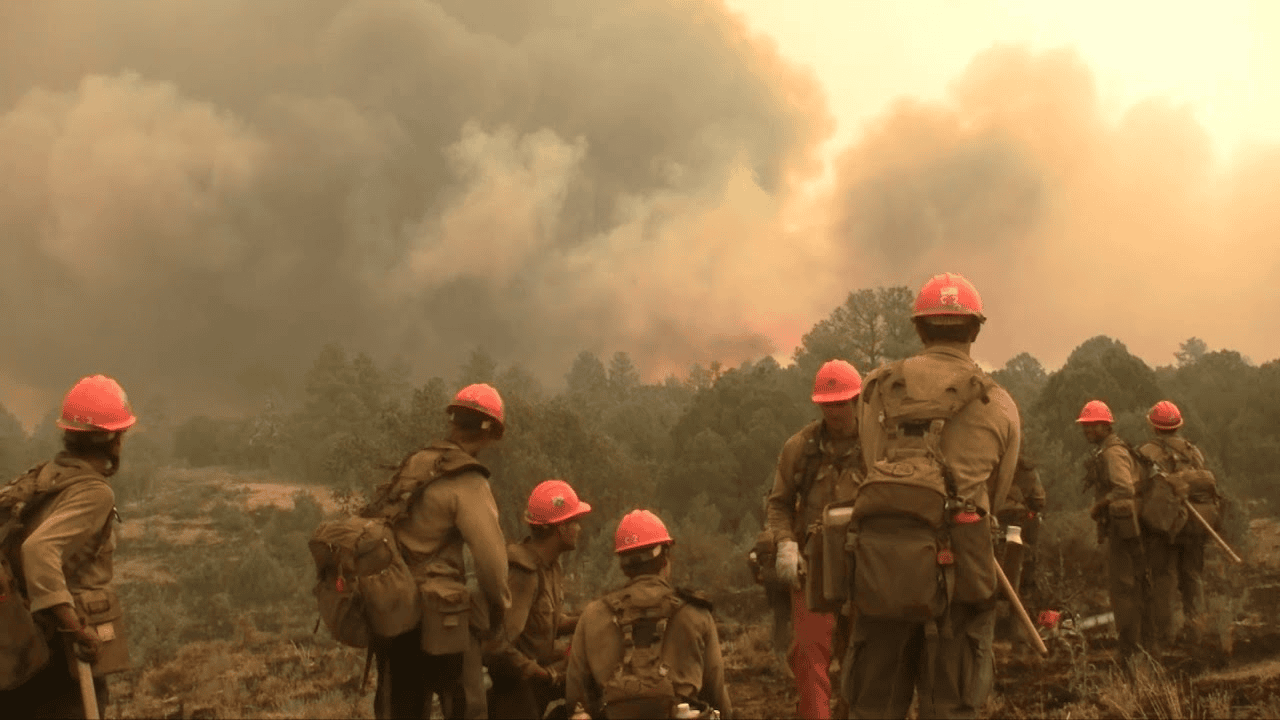
Well-trained personnel are critical to safe prescribed fire operations. Workshop discussions highlighted that consistent training across agencies improves execution quality and reduces operational risk.
Weather Dependence
Prescribed burns are highly sensitive to weather conditions. Wind speed, humidity, temperature, and atmospheric stability all influence whether a burn can proceed safely.
Fire managers often wait weeks or months for ideal conditions. This patience ensures that burns meet objectives without escaping control or causing excessive smoke impacts.
Smoke Management
Smoke is one of the most visible concerns for communities. Prescribed burn plans include smoke modeling and timing strategies to reduce impacts on populated areas, roadways, and sensitive facilities.
Effective smoke management protects public health while allowing prescribed fire to remain a viable and responsible risk-reduction tool.
Workshop Insights
Discussions at the Cohesive Strategy Workshop reinforced that prescribed burning works best when integrated with mechanical thinning, community preparedness, and long-term planning. It is not a standalone solution but a foundational element of comprehensive wildfire management.
Participants emphasized shared responsibility, scientific guidance, and consistent public engagement as essential factors for expanding prescribed fire use safely.
Moving Forward
Prescribed burns represent a proactive shift in wildfire management—from reacting to disasters to preventing them before ignition occurs. As highlighted at the Cohesive Strategy Workshop, controlled fire reduces fuel loads, restores ecosystems, and protects communities when applied thoughtfully and collaboratively.
In an era of longer fire seasons and increasing wildfire risk, prescribed burning stands out as a proven, science-based tool that strengthens landscape resilience while safeguarding lives and infrastructure for the future.