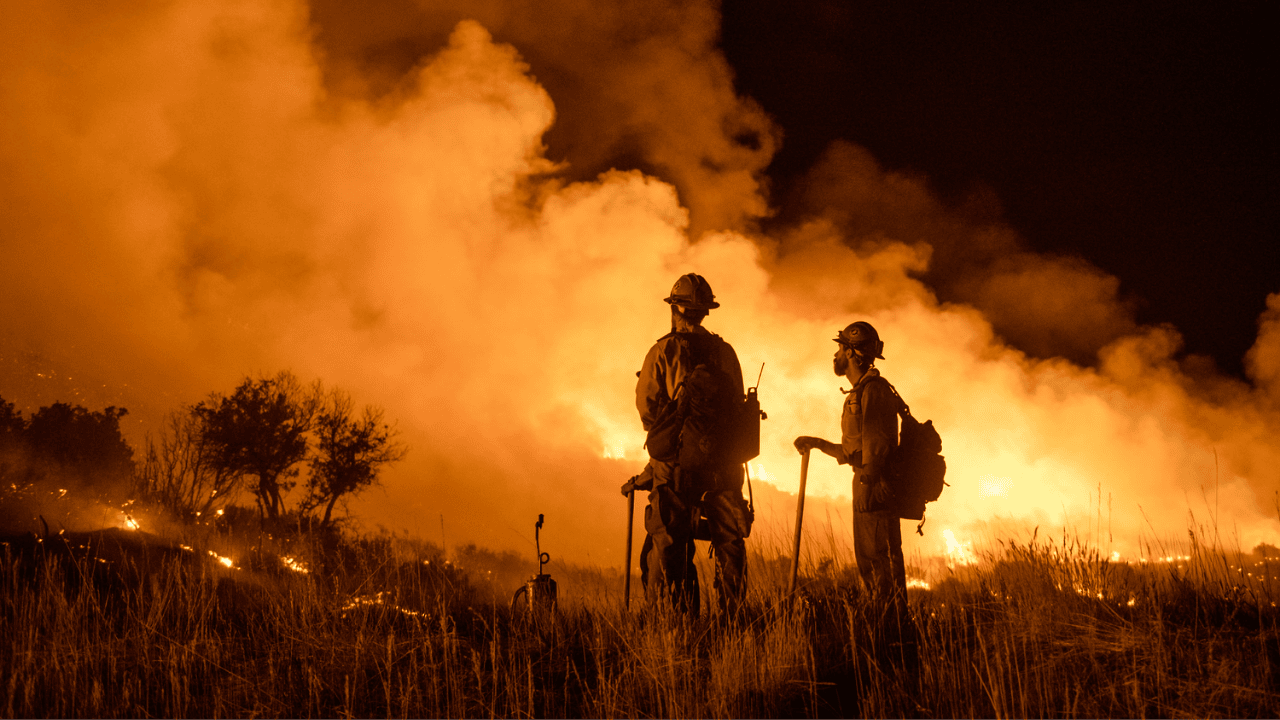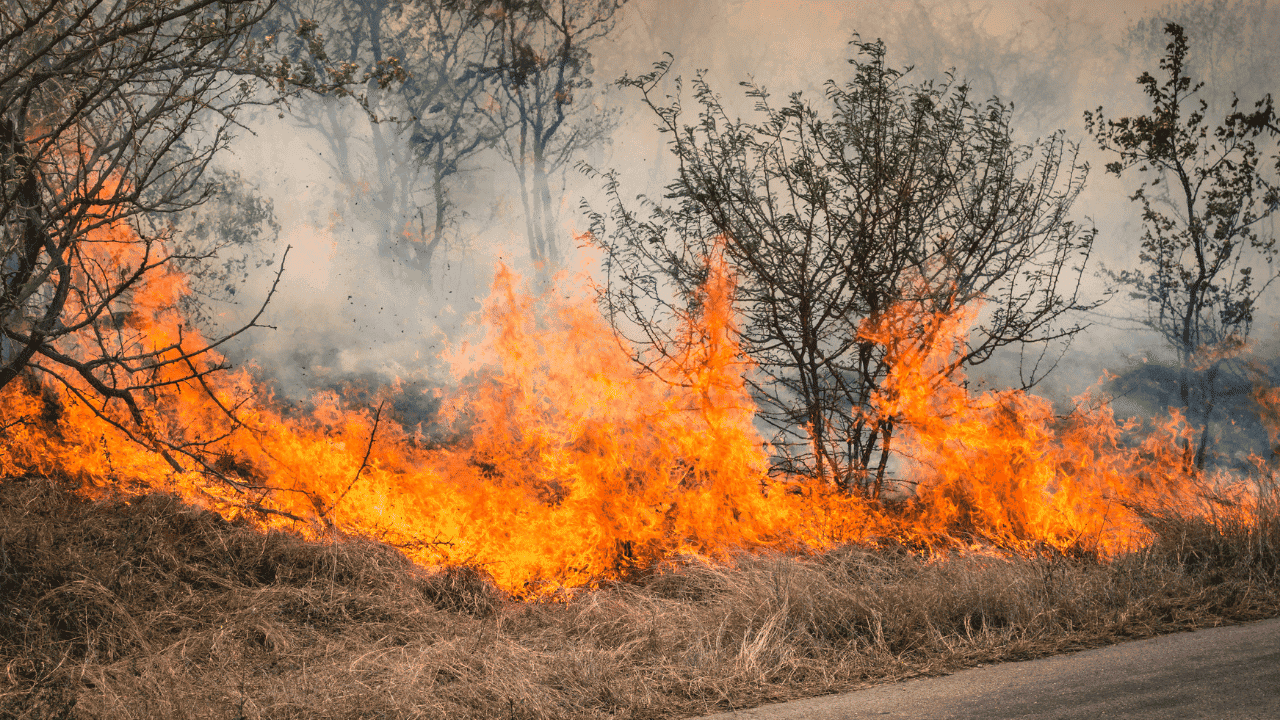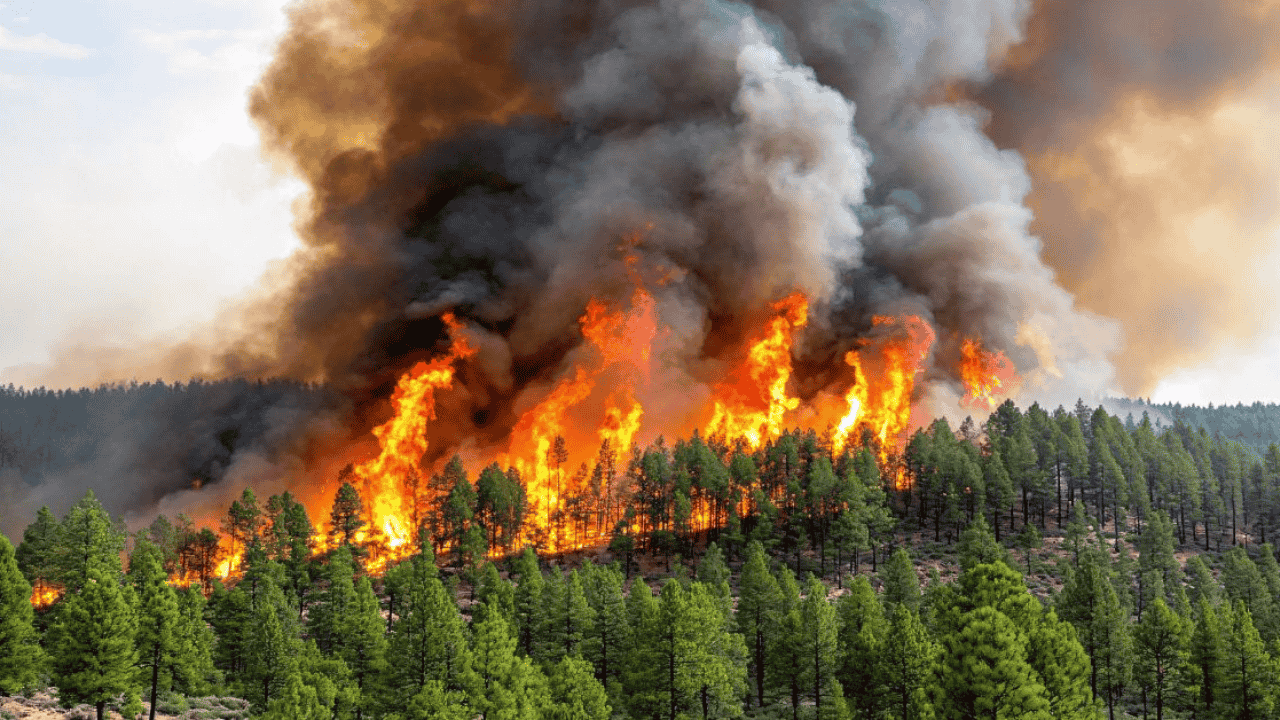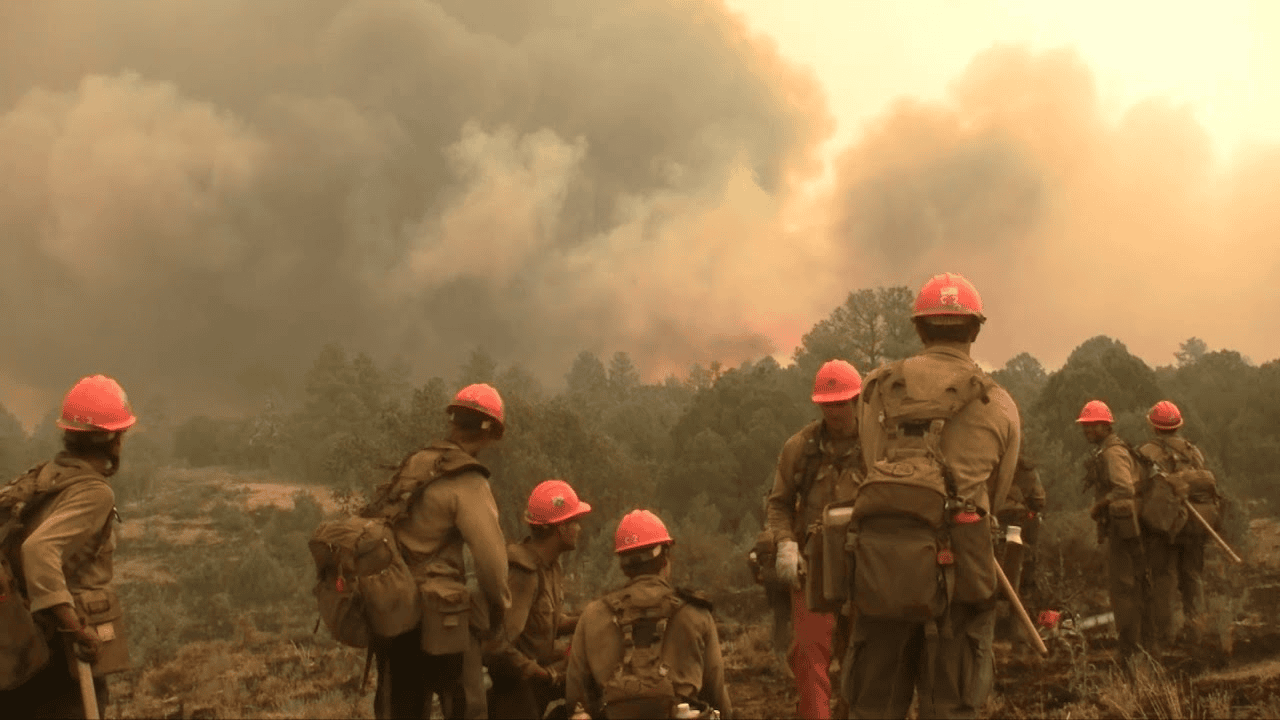
Wildfires continue to pose a growing threat to communities across the United States, particularly in areas where urban development meets wildland landscapes. The National Cohesive Wildland Fire Management Strategy provides a framework for addressing these risks by promoting collaboration, science-based planning, and community resilience.
The 7th Annual Cohesive Strategy Workshop, held in 2024, offered critical insights into how agencies, policymakers, and local communities can work together to reduce wildfire risk, improve preparedness, and ensure safer outcomes during fire events. Lessons from this workshop emphasize practical actions, coordination, and the importance of integrating community voices in wildfire management.
Table of Contents
Overview
| Aspect | Key Points |
|---|---|
| Workshop Name | 7th Annual National Cohesive Strategy Workshop |
| Dates | September 16–19, 2024 |
| Location | Atlantic City, New Jersey |
| Participants | Federal, state, tribal, and local partners |
| Focus Areas | Community preparedness, science integration, policy alignment, capacity building |
| Outcomes | Actionable strategies, collaborative initiatives, risk reduction frameworks |
Key Lessons
The workshop highlighted several overarching lessons for communities and agencies:
- Community Engagement Matters: Local stakeholders must be involved in planning and mitigation.
- Collaboration Is Essential: Agencies across jurisdictions must coordinate to manage wildfire risk effectively.
- Science Guides Decisions: Data, predictive models, and research tools improve risk assessment and preparedness.
- Long-Term Planning: Resilience requires ongoing investment in infrastructure, education, and landscape management.
These lessons underline the necessity of holistic approaches to wildfire management that combine technical knowledge with community participation.
Community Preparedness
Communities in wildfire-prone areas benefit from proactive planning that incorporates risk assessments, defensible space creation, and emergency response drills. Educating residents on evacuation protocols, fire-resistant construction, and mitigation practices reduces the potential for loss of life and property.
The workshop emphasized that fire-adapted communities are more resilient when residents, fire departments, and agencies collaborate to implement practical strategies, share information, and regularly update preparedness plans.
Collaborative Strategies
Effective wildfire management relies on multi-agency collaboration. The workshop reinforced that fire management is not the responsibility of a single entity; joint planning and shared resources enhance both prevention and response.
By coordinating efforts across federal, state, tribal, and local organizations, communities gain access to specialized expertise, funding opportunities, and risk reduction tools that might not be available individually.
Science Applications
- Use of predictive fire behavior models to anticipate high-risk areas
- Integration of ecological data to plan fuel treatments
- Geographic information systems (GIS) for mapping wildfire risk
- Community vulnerability assessments to guide mitigation strategies
These science-based approaches allow communities and agencies to target resources efficiently and respond more effectively during wildfire events.
Policy Implications
The Cohesive Strategy informs policy at multiple levels, shaping fire management standards, emergency preparedness requirements, and funding priorities. Aligning local practices with national policy ensures that communities are supported in their risk reduction and response efforts.
Policy discussions at the workshop focused on overcoming barriers such as funding gaps, inconsistent regulations, and coordination challenges across jurisdictions, emphasizing the need for flexible yet consistent approaches.
Practical Recommendations
- Establish and update Community Wildfire Protection Plans (CWPPs)
- Conduct regular community education and outreach programs
- Implement fuel reduction and landscape management initiatives
- Develop cross-jurisdictional response protocols and communication channels
- Foster partnerships between local fire departments, agencies, and residents
These actionable recommendations provide a roadmap for communities aiming to reduce wildfire risk and enhance safety.
Capacity Building
Training and knowledge sharing were core aspects of the workshop, allowing fire managers, planners, and community leaders to strengthen skills in mitigation, response, and recovery. Networking opportunities facilitated peer learning, enabling participants to replicate successful strategies in their own communities.
Capacity building also ensures long-term resilience by fostering leadership, enhancing local planning, and promoting a culture of shared responsibility for wildfire risk reduction.
Future Challenges
- Growing wildfire frequency and intensity due to climate change
- Expansion of urban development into fire-prone landscapes
- Limited resources for prevention, mitigation, and recovery
- Maintaining community engagement and adherence to fire safety practices
Addressing these challenges requires proactive planning, cross-agency collaboration, and continued investment in science and community programs.
Key Takeaways
The workshop demonstrated that community protection from wildfires relies on an integrated approach combining science, policy, and local engagement. Lessons from the Cohesive Strategy highlight the importance of preparing communities before wildfire events occur, ensuring multi-level coordination, and implementing practical, evidence-based mitigation actions.
By fostering fire-adapted communities, promoting collaboration, and leveraging scientific insights, the National Cohesive Strategy provides a roadmap for safer, more resilient communities in wildfire-prone regions.