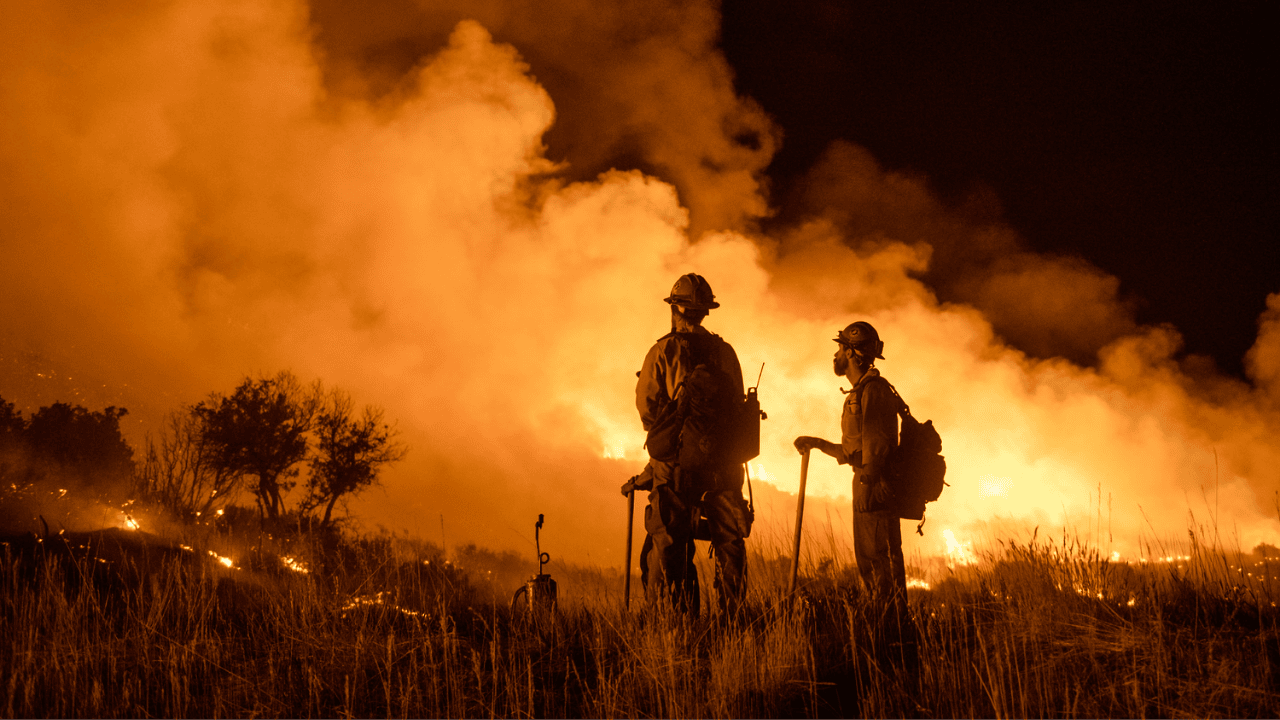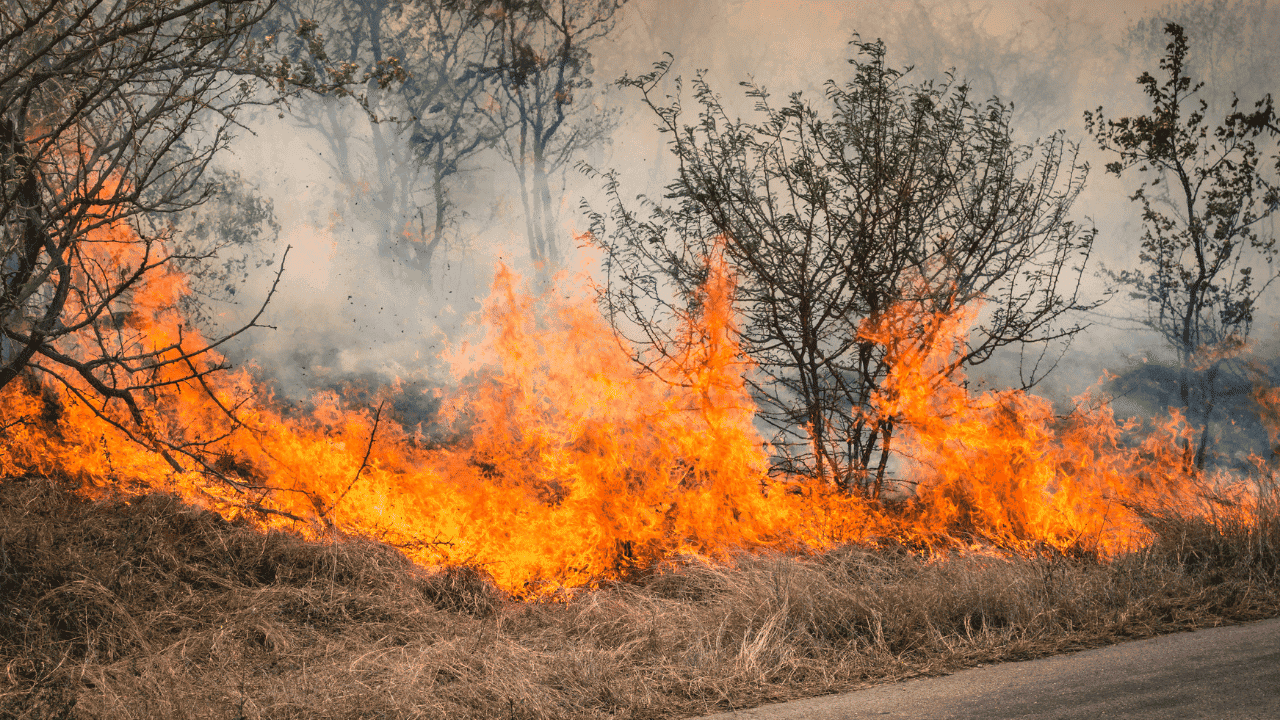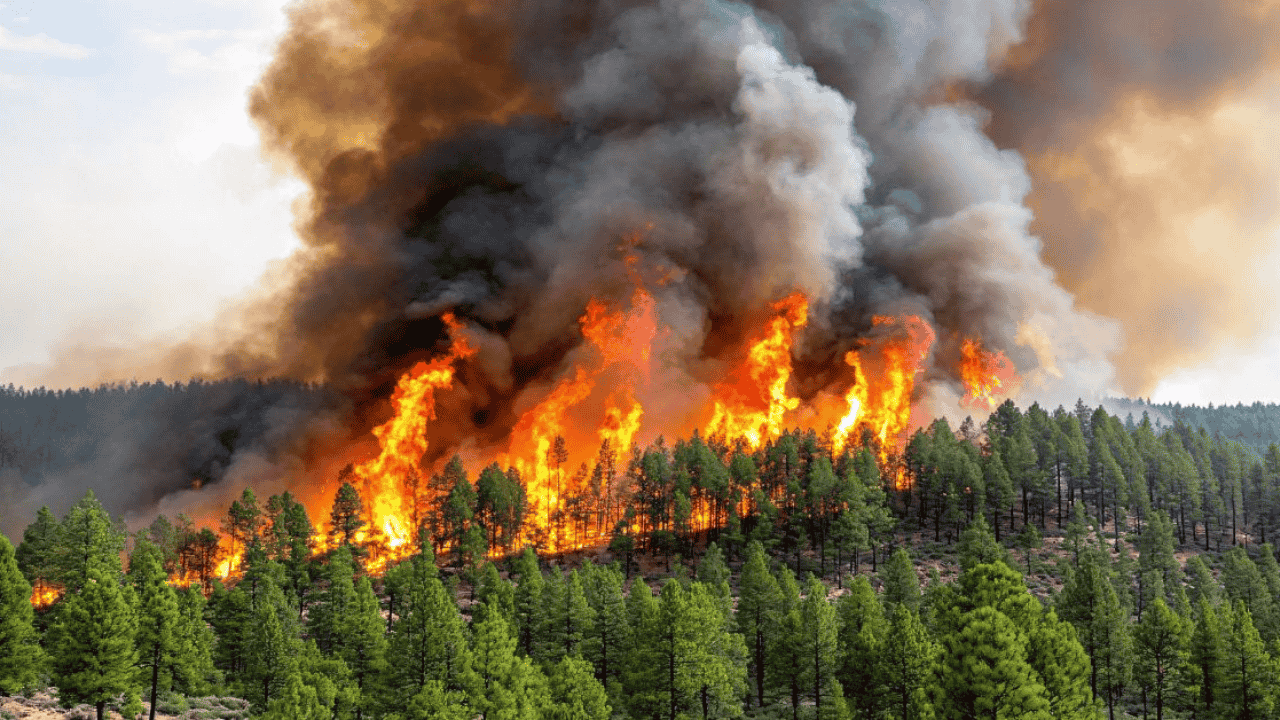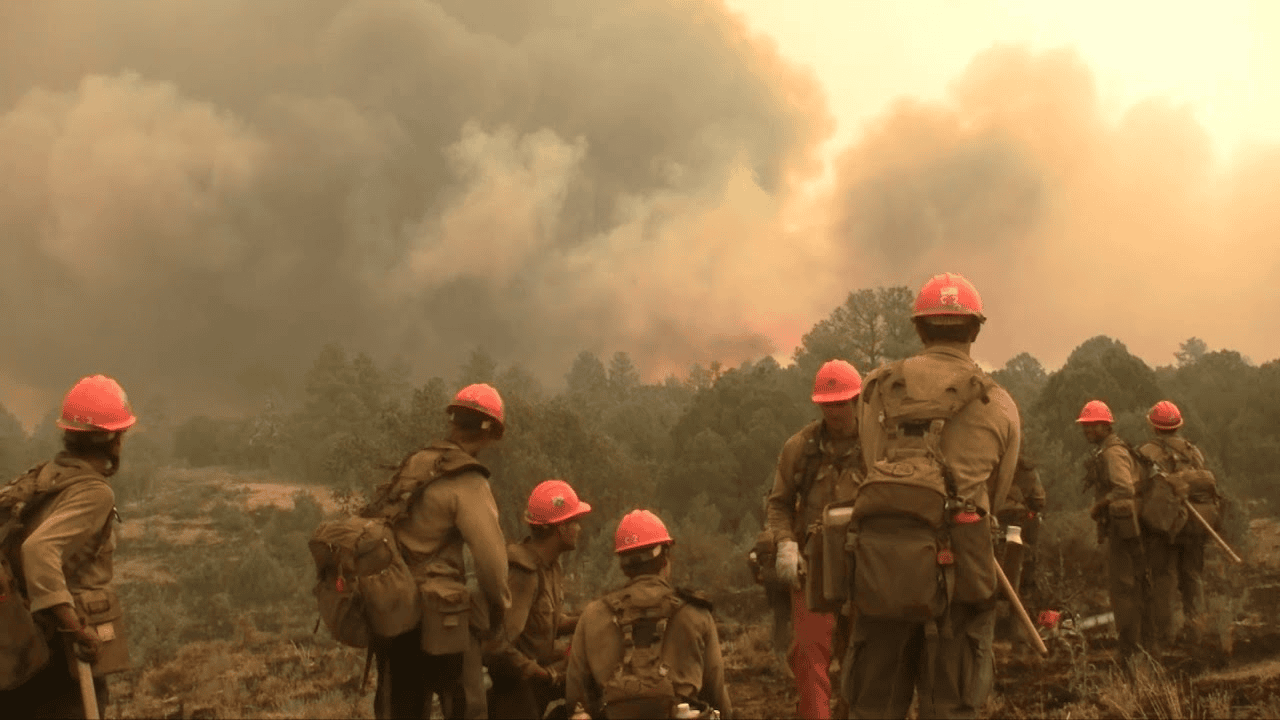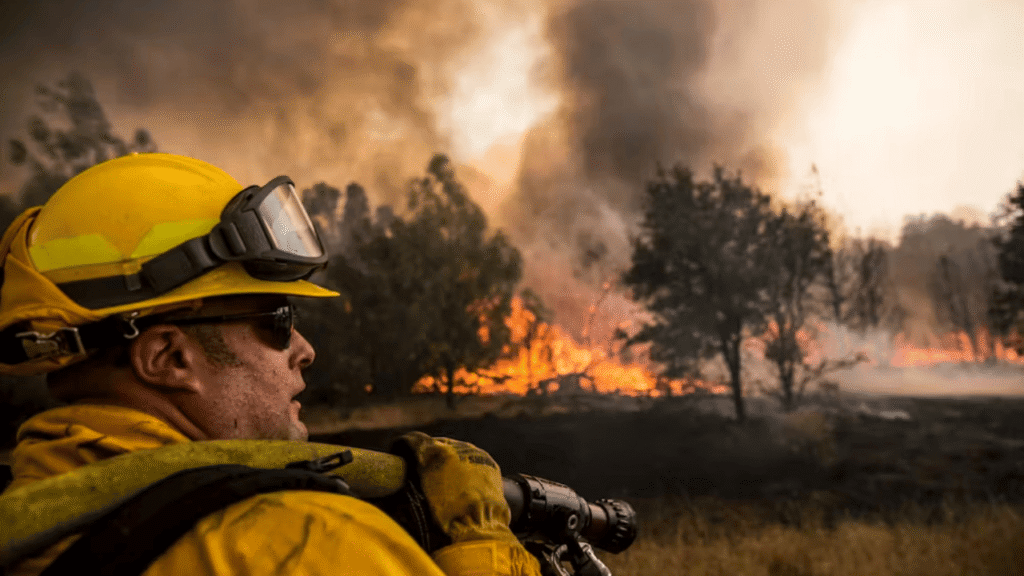
Wildfire management in the United States is evolving rapidly in response to increasing fire frequency, climate change, and expanding urban development near fire-prone areas. Traditional suppression-focused approaches are no longer sufficient; future strategies emphasize prevention, resilience, and integration of technology and science. By adopting forward-looking policies, innovative tools, and collaborative practices, wildfire management can better protect communities, ecosystems, and economic stability.
The future of wildfire management focuses on balancing immediate response with long-term risk reduction, incorporating predictive analytics, community engagement, and landscape-scale planning. Strategic investment today will shape the nation’s ability to mitigate fire impacts in the decades to come.
Table of Contents
Key Trends in Future Wildfire Management
| Trend | Impact |
|---|---|
| Predictive Analytics | Improved resource allocation and risk forecasting |
| Community Resilience | Reduced damage and faster recovery |
| Technology Integration | Faster detection and more efficient response |
| Landscape Planning | Lower fire severity and improved ecosystem health |
| Policy Innovation | Sustainable funding and coordinated strategies |
Predictive Analytics
Advances in data modeling and analytics are transforming wildfire management. Predictive tools use historical fire data, weather forecasts, and vegetation mapping to identify high-risk areas before a fire ignites.
By forecasting fire behavior, agencies can pre-position resources, issue early warnings, and implement preventive measures such as controlled burns. Predictive analytics reduces uncertainty, improves decision-making, and enhances firefighter safety.
Technology Integration
Emerging technologies such as drones, satellite imagery, AI-based fire modeling, and remote sensors are reshaping wildfire detection and response. These tools provide real-time situational awareness, enabling rapid action and more precise targeting of suppression efforts.
Automation and AI also support strategic planning, analyzing vast amounts of data to optimize resource allocation and evaluate the effectiveness of mitigation strategies. Technology-driven approaches make wildfire management faster, safer, and more efficient.
Community Resilience
Future wildfire management places communities at the center of risk reduction. Programs will expand to educate residents, enhance defensible space, and promote fire-adapted building standards.
Resilient communities reduce both loss of life and economic disruption. Early preparedness, evacuation planning, and neighborhood coordination are critical for minimizing fire damage and accelerating post-fire recovery.
Landscape-Scale Planning
Managing wildfires at the landscape level is a growing focus. Coordinated fuel treatments, reforestation, and ecosystem restoration reduce fire severity and create buffers between natural landscapes and human development.
Integrated landscape management ensures that preventive measures are effective over time, supporting ecosystem resilience while protecting communities and infrastructure. This proactive approach reduces the scale and intensity of wildfires before they occur.
Policy Innovation
Future wildfire strategies will increasingly rely on adaptive policies that support funding, research, and interagency collaboration. Policies encouraging risk-based land management, building codes, and mitigation incentives strengthen long-term preparedness.
Clear regulatory frameworks enable consistent implementation of best practices and support public-private partnerships. Innovative policy approaches ensure that wildfire management remains sustainable and responsive to emerging threats.
Climate Adaptation
Climate change continues to increase wildfire risk through hotter temperatures, prolonged droughts, and more extreme weather events. Future strategies will integrate climate projections into planning, resource allocation, and mitigation efforts.
Adapting management practices to anticipated climate conditions helps prevent catastrophic fire events and ensures long-term community and ecological resilience. Climate-aware planning is essential for sustainable wildfire management.
Workforce Development
The future will require a skilled, adaptable wildfire workforce. Training in new technologies, data analysis, and landscape-scale management practices will become increasingly important.
Investing in personnel capacity ensures that agencies can respond to complex fire scenarios safely and effectively. Collaboration between federal, state, local, and tribal agencies will be critical to leveraging expertise and resources.
Economic Efficiency
Investing in prevention, mitigation, and adaptive strategies reduces long-term economic costs. Proactive approaches save on suppression, infrastructure repair, and recovery expenses, creating significant fiscal benefits for taxpayers.
Economically efficient wildfire management strengthens local economies and reduces the burden on public funds, making future strategies both financially and socially sustainable.
Public Engagement
Engaging communities, stakeholders, and local governments in wildfire management ensures broader support for prevention initiatives and emergency response. Public awareness campaigns, participatory planning, and education programs will play a critical role in shaping resilient societies.
Informed and involved citizens are more likely to adopt fire-safe behaviors, reducing overall risk and complementing government efforts.
Looking Ahead
The future of wildfire management in the United States will rely on innovation, collaboration, and proactive planning. Integrating predictive analytics, technology, climate adaptation, and community resilience offers a comprehensive approach to managing increasingly severe wildfire threats.
By prioritizing prevention, adaptive strategies, and long-term landscape management, agencies can reduce fire severity, protect lives and property, and ensure sustainable environmental and economic outcomes. Future wildfire management represents a shift from reactive suppression to strategic, data-driven, and resilient planning.