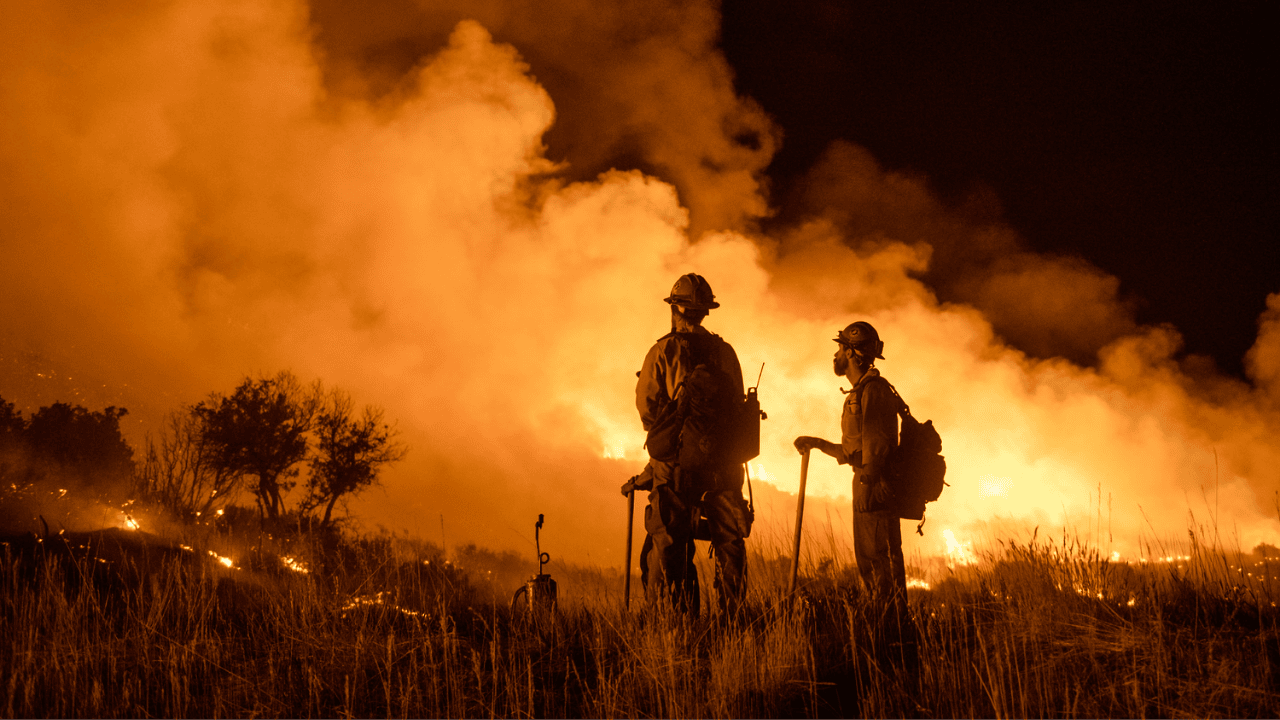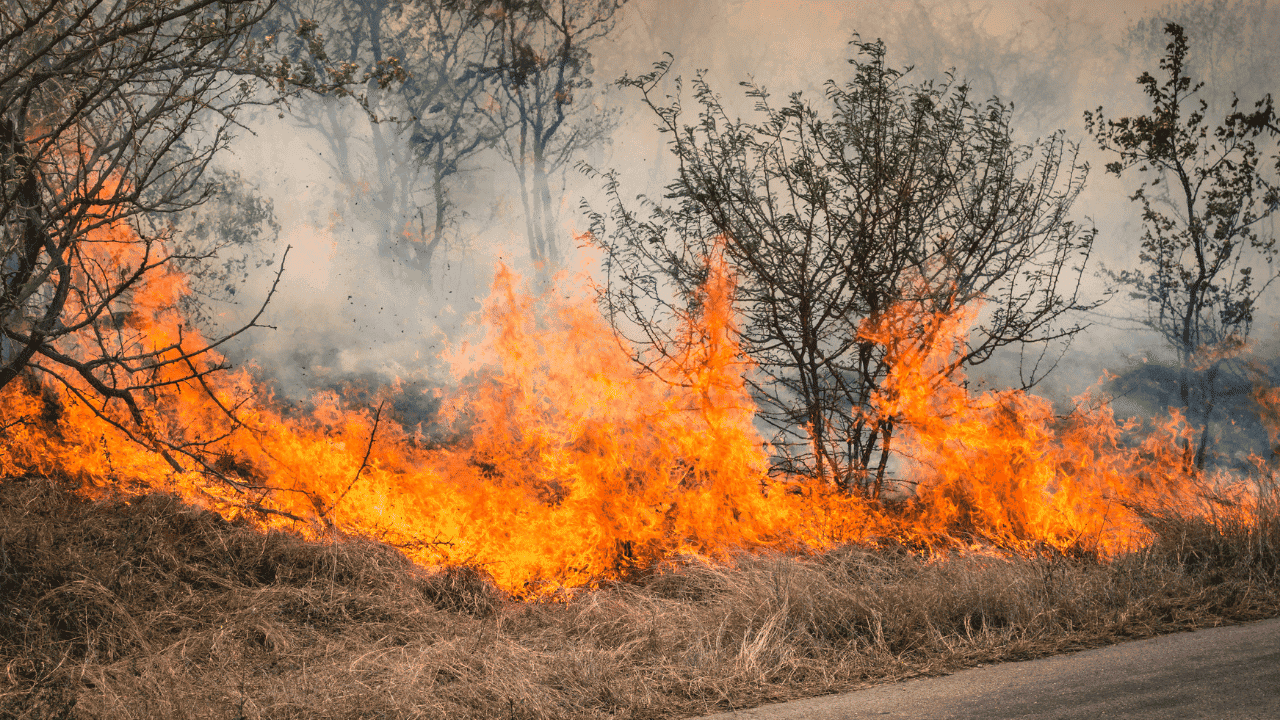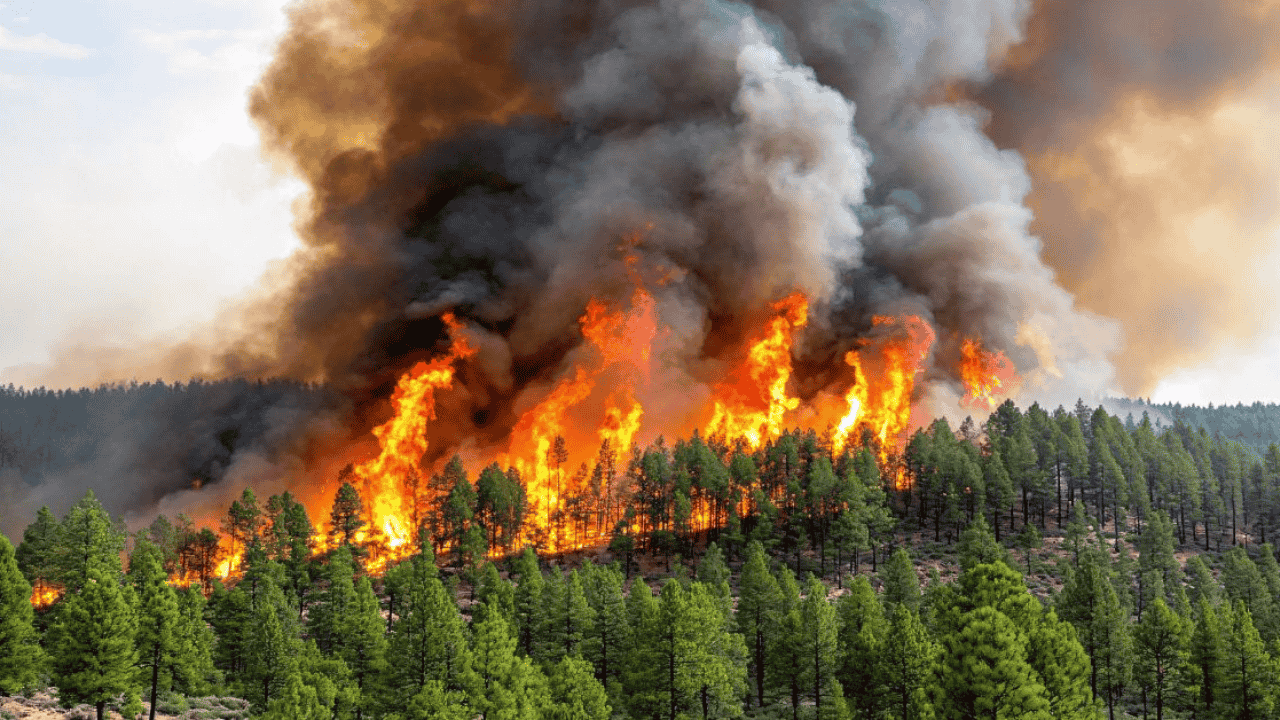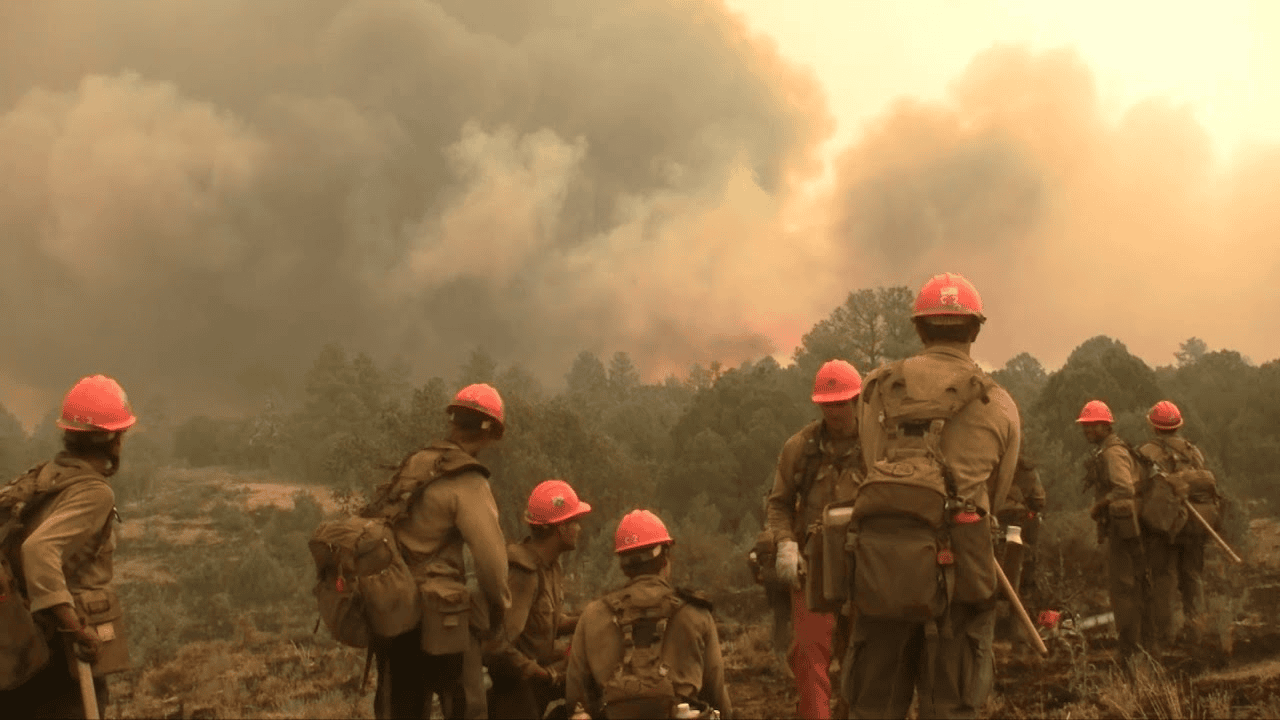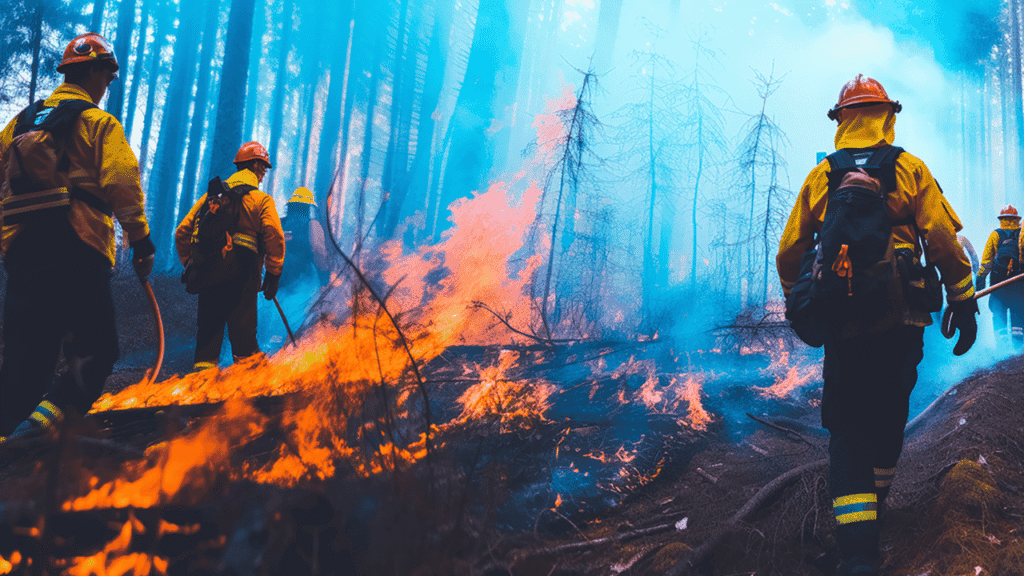
Wildland fires have evolved into complex emergencies that extend far beyond the capacity of any single organization. Increasing fire intensity, expanding development near fire-prone landscapes, and climate-driven extremes demand a coordinated response across multiple agencies. Cross-agency coordination ensures that expertise, resources, and decision-making are aligned, enabling faster response, safer operations, and stronger protection for communities and infrastructure during wildfire events.
Table of Contents
Shared Complexity
Modern wildland fires involve overlapping jurisdictions, diverse land ownership, and interconnected infrastructure systems. Federal agencies, state authorities, tribal governments, local fire departments, emergency managers, and utility providers often operate within the same fire perimeter. Without coordination, response efforts can become fragmented, leading to delays, duplicated actions, or gaps in protection.
Cross-agency coordination allows these entities to operate under a shared understanding of fire behavior, priorities, and objectives. When agencies work from common plans and real-time intelligence, they can manage complex fire environments more effectively while reducing operational confusion.
Overview
| Element | Coordinated Impact |
|---|---|
| Response Scope | Multi-jurisdictional fire events |
| Participating Entities | Federal, state, tribal, and local agencies |
| Coordination Tools | Unified command, shared data, joint operations |
| Key Benefits | Faster response, safer crews, efficient resource use |
| Community Outcome | Reduced losses and improved public safety |
Unified Command
- Establishing a single incident command structure
- Defining shared objectives across agencies
- Clarifying leadership roles and responsibilities
- Enabling consistent decision-making during operations
Unified command systems are essential for aligning agencies with different mandates and operational cultures. Instead of operating independently, agencies contribute to a collective strategy that balances suppression, community protection, firefighter safety, and environmental considerations.
This structure minimizes conflict and ensures that decisions are made with a full understanding of on-the-ground realities and broader regional impacts.
Resource Efficiency
Wildland fire response requires aircraft, engines, personnel, equipment, and logistical support that often exceed the capacity of individual agencies. Cross-agency coordination allows for strategic resource sharing, ensuring that assets are deployed where they are most effective.
Efficient coordination prevents redundancy, reduces costs, and avoids situations where some areas are over-resourced while others remain exposed. Shared resource tracking also improves accountability and helps agencies anticipate future needs as fires evolve.
Information Flow
Accurate, timely information is the backbone of effective wildfire response. Coordinated agencies share:
- Fire behavior forecasts and weather data
- Real-time mapping and satellite imagery
- Infrastructure vulnerability assessments
- Evacuation status and public safety updates
When information flows seamlessly between agencies, responders gain a common operational picture. This shared awareness improves tactical decisions, supports rapid adjustments, and reduces the risk of miscommunication that could endanger lives.
Community Protection
Communities are best protected when agencies coordinate evacuation planning, shelter operations, and public communication. Inconsistent messaging can confuse residents and undermine trust during emergencies.
Cross-agency coordination ensures that warnings, evacuation orders, and safety guidance are clear, consistent, and timely. It also helps agencies prioritize vulnerable populations, critical infrastructure, and essential services, reducing the social and economic impacts of wildfires.
Tribal Inclusion
Tribal governments bring unique land stewardship knowledge, cultural priorities, and jurisdictional authority to wildfire response. Meaningful coordination with tribal agencies strengthens overall fire management by integrating traditional ecological knowledge and local expertise.
Respectful collaboration ensures that tribal lands, cultural resources, and communities are protected while reinforcing sovereignty and shared responsibility in fire response efforts.
Training Alignment
- Joint training exercises across agencies
- Shared operational standards and terminology
- Cross-agency simulations of large fire events
- Integrated safety and communication protocols
Aligned training ensures that responders from different agencies can work together seamlessly during real incidents. Familiarity with shared procedures and expectations reduces errors, improves safety, and accelerates response during high-pressure situations.
Operational Safety
Firefighter safety depends heavily on coordination. Inconsistent strategies or uncoordinated movements increase the risk of accidents and entrapments. Cross-agency coordination supports:
- Clear chain-of-command structures
- Consistent safety briefings and risk assessments
- Coordinated deployment and withdrawal decisions
- Shared accountability for crew welfare
A unified approach creates a safer operating environment for all responders, regardless of agency affiliation.
Recovery Integration
Coordination does not end when flames are contained. Post-fire recovery involves debris removal, infrastructure repair, watershed stabilization, and community support. Agencies that coordinate during response are better positioned to transition smoothly into recovery efforts.
Integrated recovery planning reduces delays, aligns funding priorities, and helps communities rebuild more resiliently while reducing the risk of future fire damage.
Strategic Resilience
Cross-agency coordination strengthens long-term wildfire resilience by fostering relationships, trust, and shared learning. Agencies that regularly collaborate during incidents are more likely to align prevention strategies, mitigation investments, and preparedness planning.
This strategic alignment ensures that wildfire response is not reactive alone, but part of a broader system designed to anticipate, adapt, and improve over time.
Looking Ahead
Cross-agency coordination is not optional in modern wildland fire response—it is essential. As wildfires grow more complex and far-reaching, coordinated action enables faster response, safer operations, and stronger protection for communities and landscapes. By aligning leadership, resources, information, and training, agencies can overcome jurisdictional boundaries and operate as a unified force.
Effective coordination transforms wildfire response from fragmented efforts into a cohesive system, ensuring that lives, infrastructure, and natural environments are safeguarded in an increasingly fire-prone future.