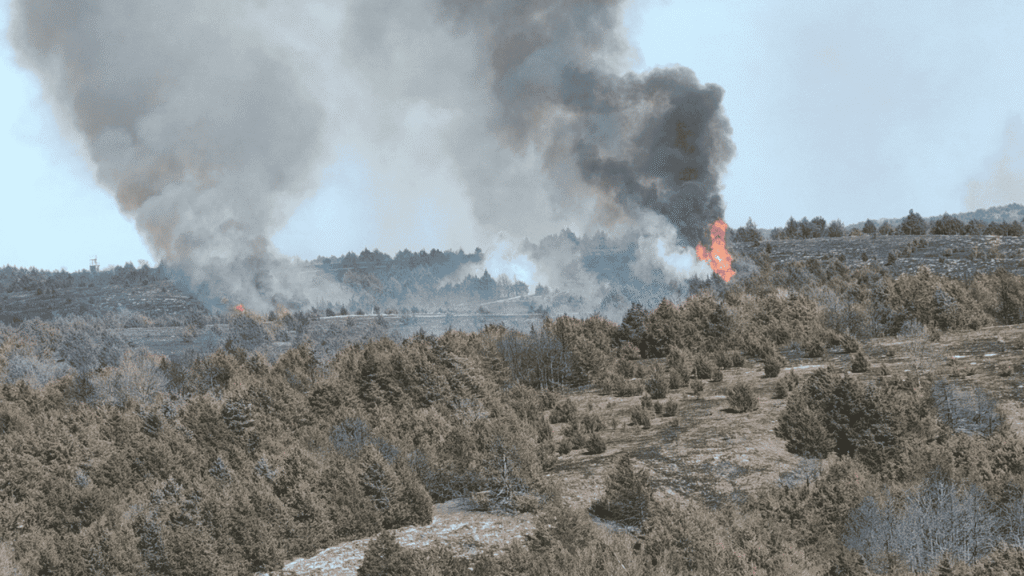
Wildfire planning has undergone a dramatic transformation over the past decade. Where once strategies were primarily focused on reactive suppression, today’s wildfire management emphasizes prevention, resilience, and science-driven decision-making. Factors such as climate change, expanding wildland-urban interfaces, technological innovation, and evolving policies have reshaped how agencies and communities approach fire risk.
In 2026, wildfire planning integrates data analytics, collaborative governance, and long-term landscape management, marking a clear departure from approaches used ten years ago. This shift is not just operational—it reflects a broader understanding of wildfire as a complex ecological, social, and economic challenge.
Table of Contents
Key Differences in Wildfire Planning
| Aspect | 2016 Approach | 2026 Approach |
|---|---|---|
| Focus | Reactive suppression | Prevention and resilience |
| Technology | Limited monitoring | AI, drones, satellite data |
| Community Role | Minimal involvement | Active planning and preparedness |
| Landscape Management | Localized treatment | Landscape-scale, integrated strategies |
| Climate Integration | Rarely considered | Central to planning |
From Suppression to Prevention
A decade ago, wildfire planning relied heavily on emergency suppression tactics. Firefighters and agencies responded primarily after fires ignited, often facing extreme, uncontrolled blazes. Today, prevention dominates the strategy.
Fuel management, prescribed burns, defensible space, and zoning policies are implemented proactively. These measures reduce fire intensity and protect communities before a wildfire begins, reflecting a shift toward long-term risk reduction.
Data-Driven Decision-Making
In 2016, wildfire planning relied largely on historical data and field observations. While useful, these methods provided limited predictive capability. By 2026, data-driven approaches leverage AI, machine learning, and real-time monitoring to anticipate fire behavior and optimize resource deployment.
Predictive modeling enables agencies to identify high-risk areas, pre-position resources, and develop adaptive strategies tailored to evolving conditions. Decision-making is faster, more precise, and more effective than ever before.
Technological Integration
Technology has transformed wildfire management. Drones, satellites, and remote sensors provide continuous fire detection, mapping, and environmental monitoring. AI algorithms analyze vast datasets to predict fire spread and inform mitigation.
These innovations allow agencies to respond more efficiently and reduce human risk. Compared with a decade ago, technology now underpins nearly every aspect of wildfire planning, from early warning to long-term landscape strategy.
Community Involvement
Previously, communities played a limited role in wildfire planning. Public awareness campaigns existed, but residents were rarely integrated into formal planning processes.
In 2026, community involvement is central. Residents participate in risk assessments, defensible space initiatives, and emergency response drills. Collaborative planning enhances preparedness and resilience, ensuring that local populations are active partners rather than passive observers.
Landscape-Scale Management
Ten years ago, fuel management and fire prevention were often isolated to small, local areas. Today, wildfire planning takes a landscape-scale approach. Integrated strategies span forests, grasslands, and urban interfaces, accounting for ecological connectivity and wildfire behavior across large regions.
This scale improves effectiveness, reduces fire severity, and restores ecosystem resilience. Coordinated planning across jurisdictions has become a standard component of modern wildfire management.
Climate Change Integration
A decade ago, climate considerations were largely secondary. Planning often relied on historical fire seasons and weather trends. In 2026, climate change is central to all wildfire strategies.
Longer fire seasons, hotter temperatures, and prolonged droughts influence prevention, suppression, and recovery efforts. Planning now incorporates climate projections to anticipate future conditions and guide long-term mitigation strategies.
Policy and Funding Evolution
Wildfire policy has shifted to support proactive measures. Funding streams increasingly prioritize prevention, mitigation, and community resilience rather than solely emergency response.
Interagency collaboration across federal, state, tribal, and local levels ensures consistent implementation of best practices. Policies now incentivize fuel reduction, fire-adapted construction, and early warning systems.
Health and Economic Considerations
Modern wildfire planning accounts for indirect impacts such as smoke-related health risks and economic disruption. Health monitoring, evacuation planning, and economic risk assessments guide resource allocation and mitigation priorities.
By addressing these factors, agencies can reduce both human and financial losses, ensuring a more holistic approach than the primarily operational focus of a decade ago.
Summing Up
Wildfire planning in 2026 reflects a paradigm shift: from reactive suppression to proactive, data-driven, and community-integrated strategies. Technology, climate adaptation, and landscape-scale management define modern approaches, ensuring safer communities and more resilient ecosystems.
This evolution demonstrates that wildfire management is no longer just about fighting flames—it is about anticipating risk, empowering communities, and investing in sustainable prevention strategies for a changing environment.