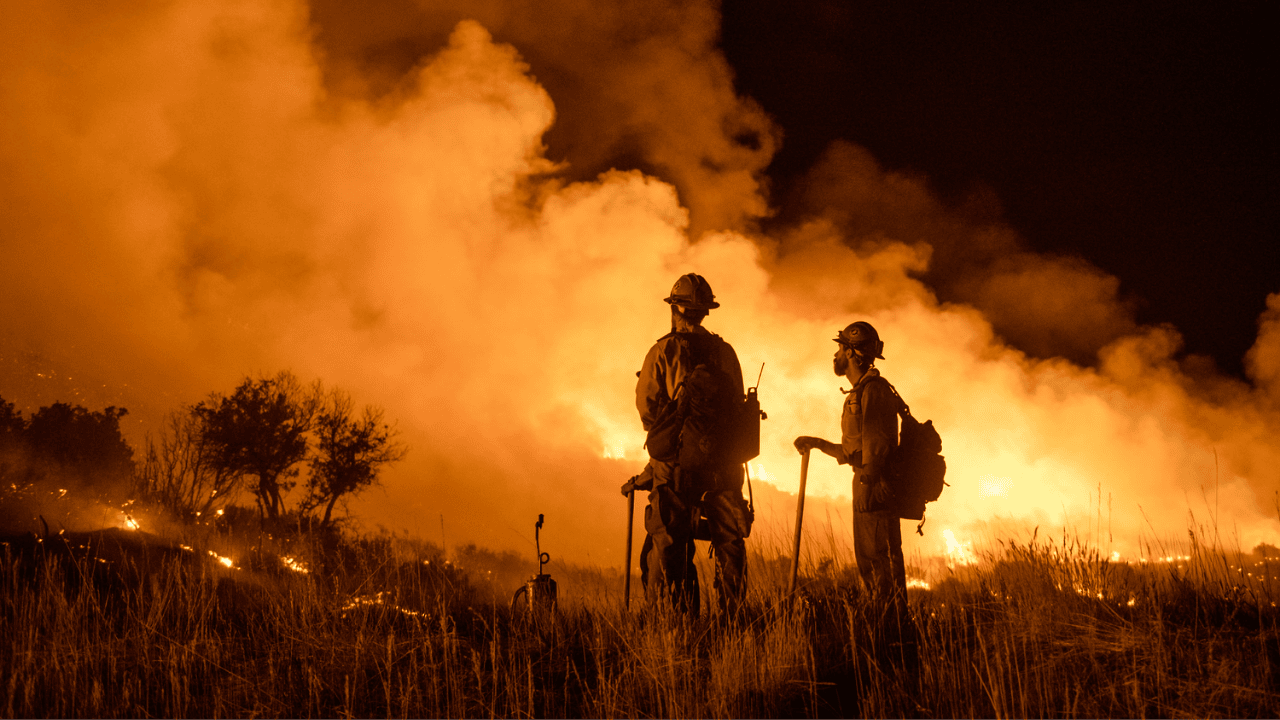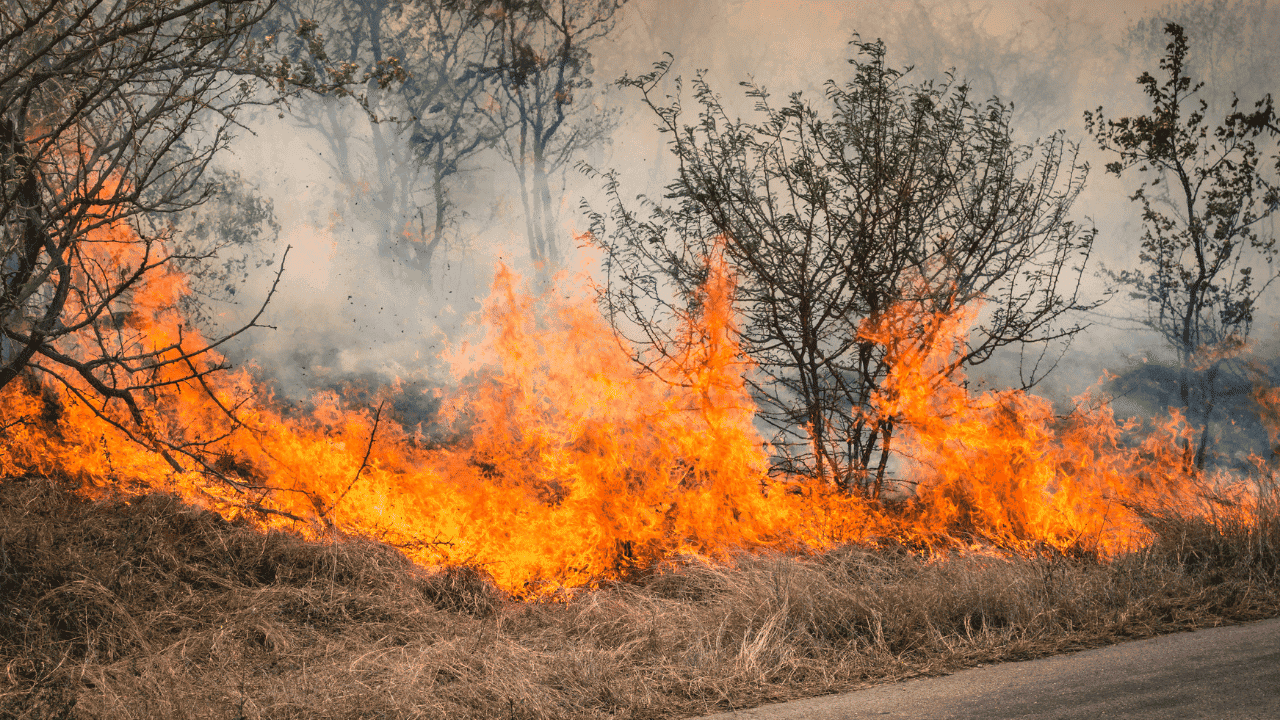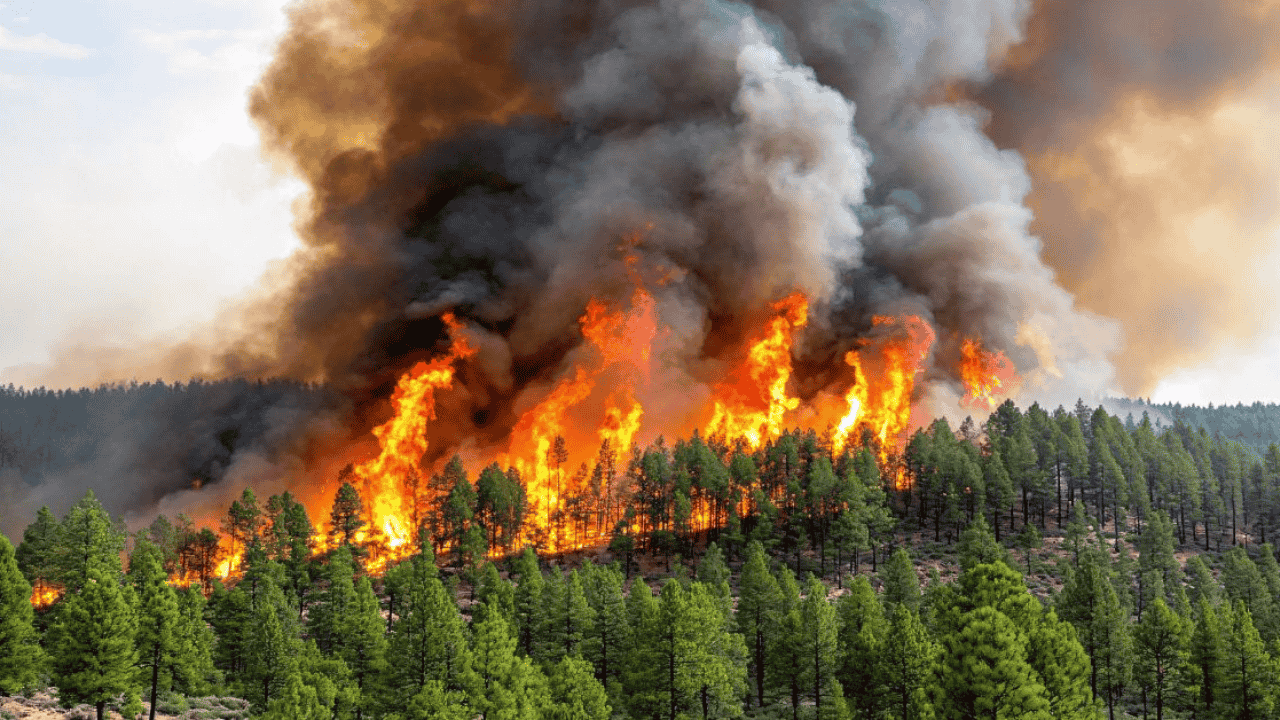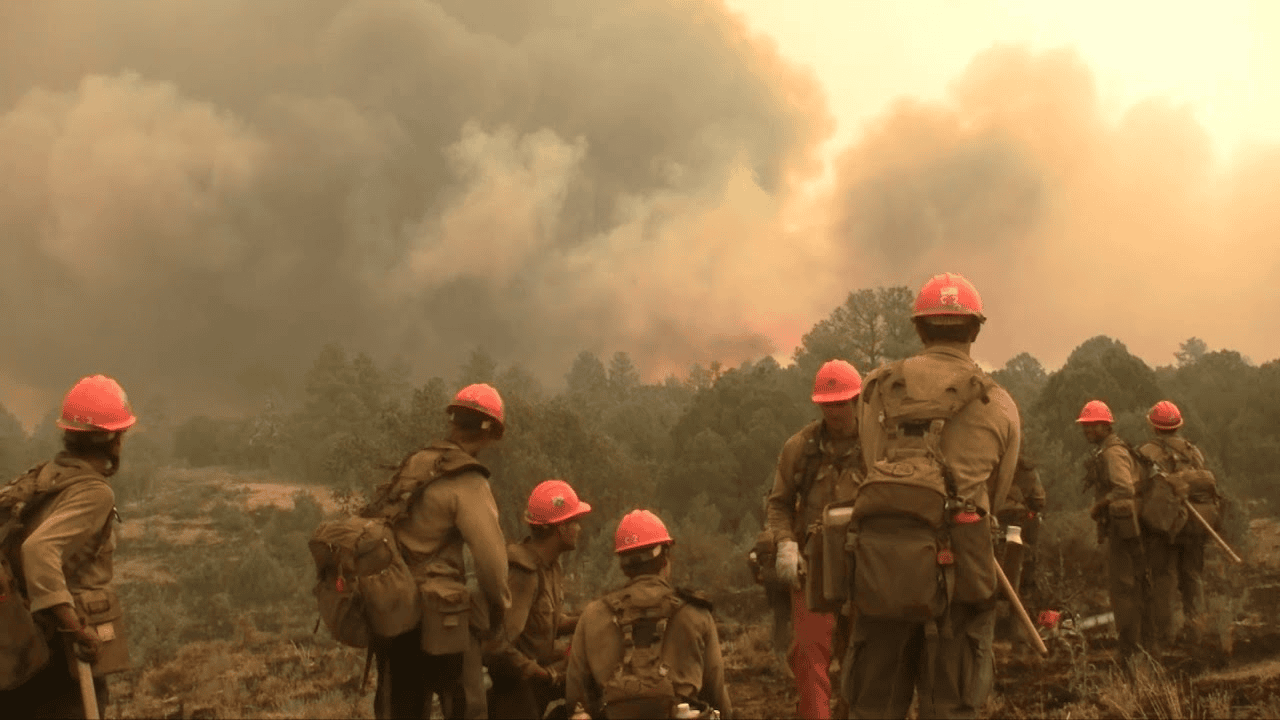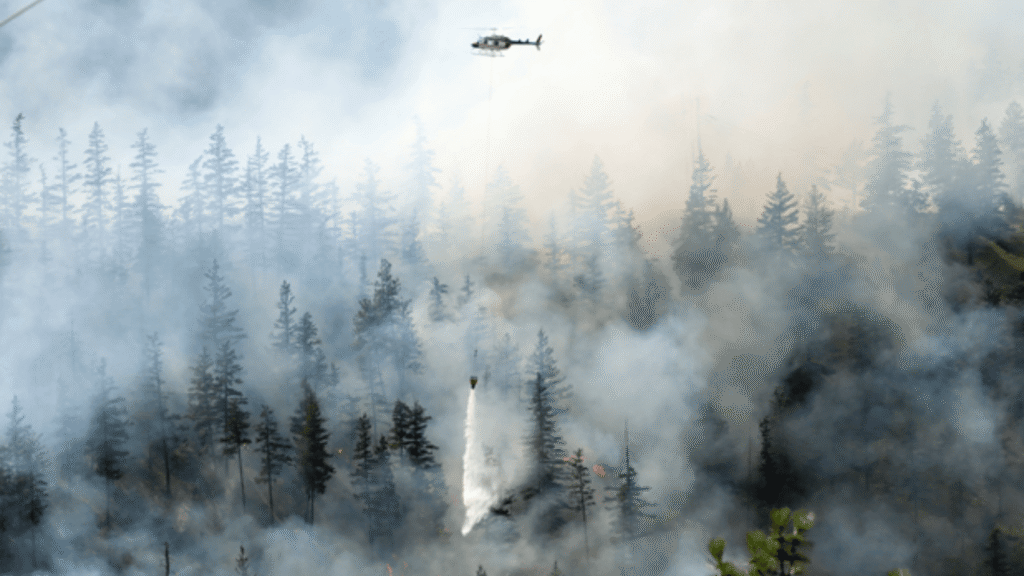
The wildland-urban interface (WUI) — areas where homes and communities meet fire-prone landscapes — has become a major focus for wildfire risk management in the United States. Increasing wildfire severity and the expansion of development into high-risk zones demand proactive strategies to protect both communities and ecosystems. National experts convened at recent workshops, including the National Cohesive Wildland Fire Strategy Workshop, to share lessons, innovative practices, and evidence-based approaches to reduce wildfire risk in these vulnerable areas. Their insights highlight the importance of collaboration, community preparedness, and science-informed planning.
Table of Contents
Overview
| Aspect | Key Points |
|---|---|
| Focus Area | Wildland-Urban Interface Risk Reduction |
| Stakeholders | Federal, state, tribal, and local agencies, homeowners, community organizations |
| Expert Focus | Risk assessment, mitigation strategies, emergency planning, policy guidance |
| Key Recommendations | Fuel reduction, defensible space, community engagement, predictive modeling |
| Outcomes | Safer communities, reduced property loss, improved landscape resilience |
Risk Assessment
Experts emphasized the importance of identifying high-risk areas within the WUI using advanced mapping tools, fire behavior modeling, and historical wildfire data. Accurate risk assessment allows communities to prioritize mitigation measures and allocate resources efficiently.
National guidelines encourage regular updates to Community Wildfire Protection Plans (CWPPs), integrating local input, hazard mapping, and scenario planning to ensure strategies remain effective against evolving wildfire threats.
Community Preparedness
Preparedness in the WUI is crucial. Experts recommend a combination of physical, educational, and organizational measures, including:
- Creating defensible space around homes and infrastructure
- Installing fire-resistant building materials and landscaping
- Conducting community evacuation drills and emergency planning
- Educating residents on wildfire risk and personal mitigation actions
These measures empower residents to take an active role in reducing potential fire impacts, complementing broader agency-led risk reduction efforts.
Collaborative Approaches
- Multi-Agency Coordination: Federal, state, tribal, and local agencies share planning and response responsibilities
- Community Engagement: Homeowners and local organizations are integral partners in mitigation and preparedness
- Shared Resources: Equipment, personnel, and expertise are pooled for efficiency during wildfire events
- Policy Alignment: Ensuring local regulations support fire-resistant construction, land use planning, and risk reduction initiatives
Collaboration allows for a comprehensive and cohesive approach, minimizing duplication of effort and maximizing the impact of mitigation strategies.
Science Applications
Experts highlighted the use of science and technology to improve wildfire risk reduction in the WUI. Tools include fire behavior modeling, GIS mapping, and predictive analytics to identify vulnerable zones and optimize mitigation projects.
Data-driven planning enables agencies and communities to focus resources where they are most effective, assess outcomes, and refine strategies over time. Monitoring and adaptive management ensure continuous improvement in wildfire safety.
Policy Implications
Policies at the federal, state, and local levels must support WUI risk reduction strategies. Experts stressed integrating wildfire risk considerations into zoning laws, building codes, and funding priorities.
Effective policy provides a framework for consistent action, ensuring that communities are both incentivized and supported to implement mitigation measures and maintain long-term resilience.
Practical Recommendations
- Conduct annual risk assessments and update CWPPs
- Expand defensible space programs and fuel reduction initiatives
- Incorporate fire-resistant materials in home construction and renovation
- Engage residents through education and emergency preparedness programs
- Leverage predictive modeling to prioritize high-risk areas for intervention
These actionable steps translate expert insights into practical solutions that reduce the likelihood of wildfire damage in the WUI.
Training and Capacity
Experts emphasized training local agencies, fire departments, and community leaders in wildfire mitigation, response, and recovery. Capacity-building initiatives include workshops, scenario-based exercises, and cross-agency collaboration exercises.
Strengthening local knowledge and preparedness ensures that communities can respond effectively and maintain resilience during wildfire events, reducing both economic and human losses.
Future Challenges
- Expansion of WUI areas into increasingly fire-prone landscapes
- Rising wildfire intensity and unpredictability due to climate change
- Resource limitations for mitigation, preparedness, and recovery
- Maintaining long-term community engagement in risk reduction initiatives
Addressing these challenges requires ongoing coordination, innovation, and investment across all levels of wildfire management.
Key Takeaways
Insights from national experts highlight that reducing wildfire risk in the WUI requires an integrated, multi-level approach. Combining community engagement, science-driven planning, policy alignment, and agency collaboration ensures that homes, communities, and ecosystems remain safer in the face of growing wildfire threats.
Proactive risk reduction in the WUI not only protects lives and property but also enhances ecological resilience, supporting the coexistence of communities with natural fire processes. Lessons from these expert discussions provide a roadmap for safer, more fire-adapted communities in 2026 and beyond.