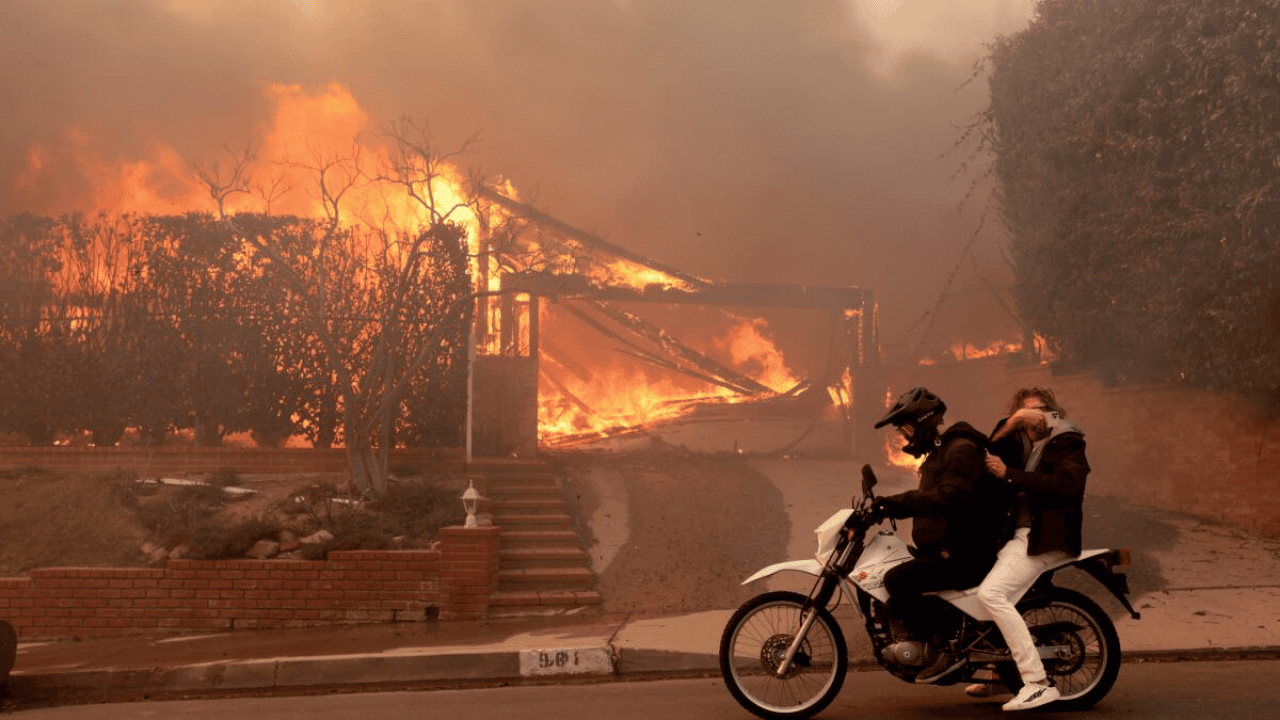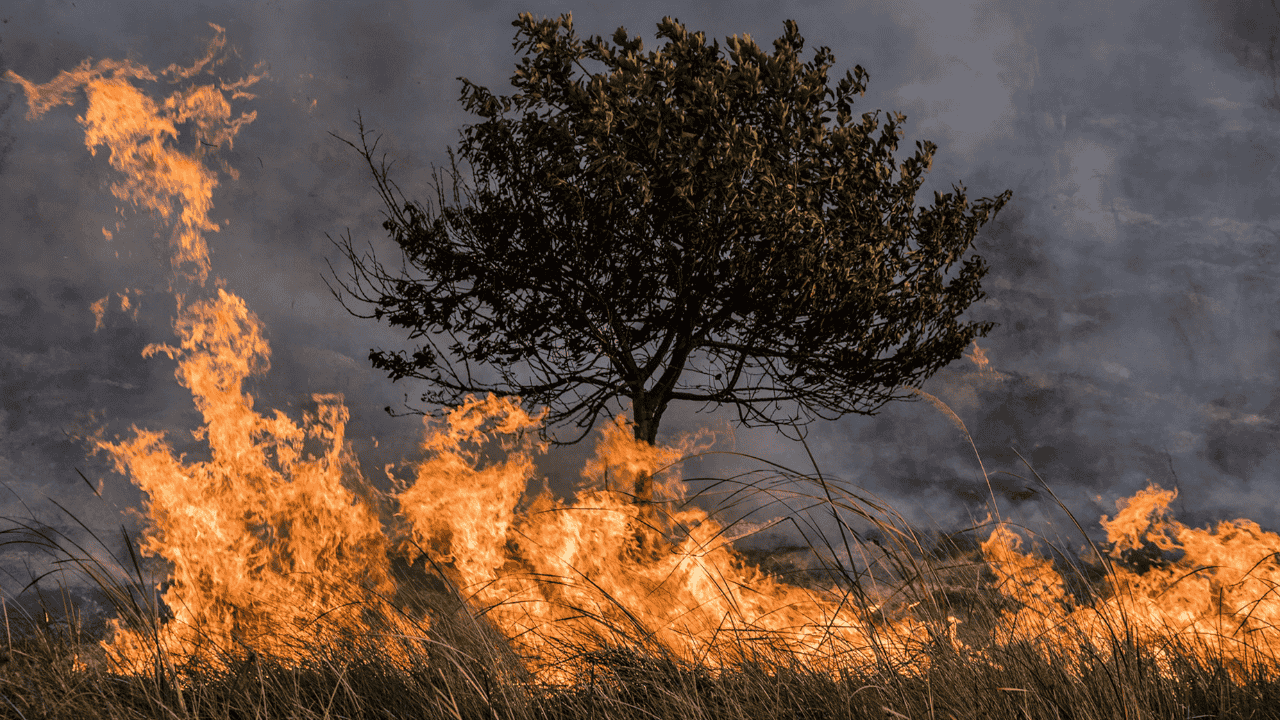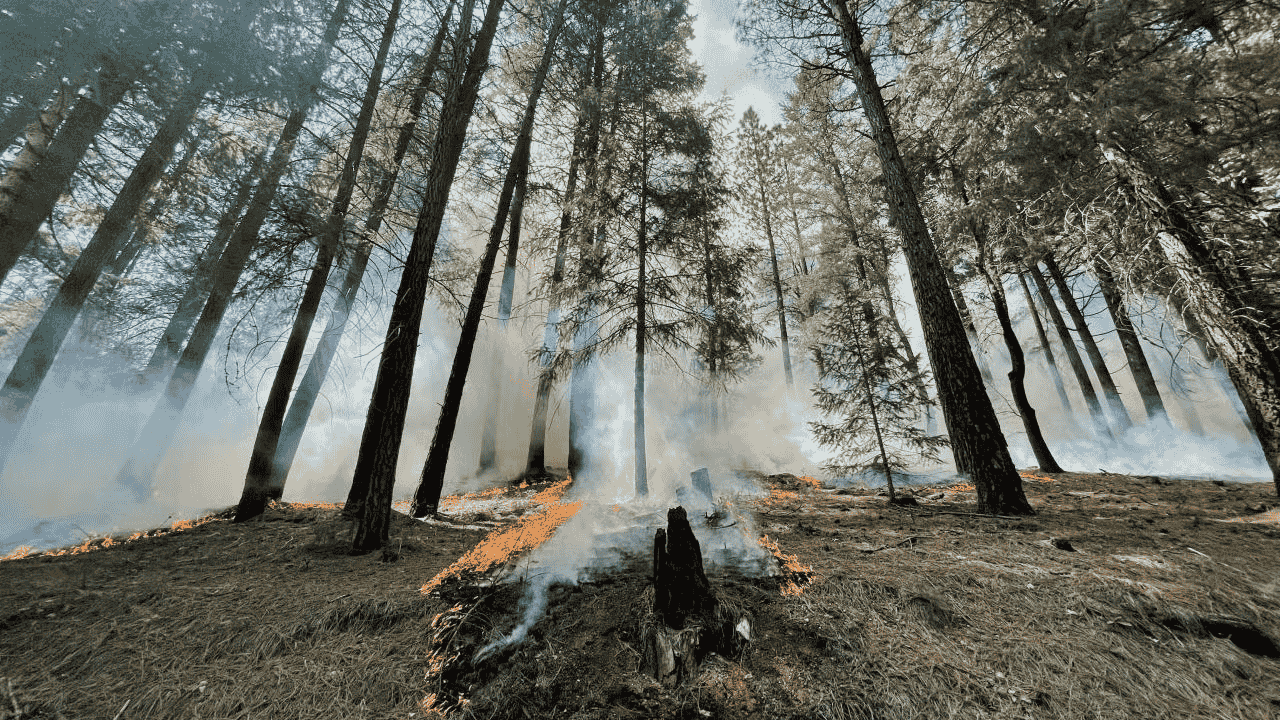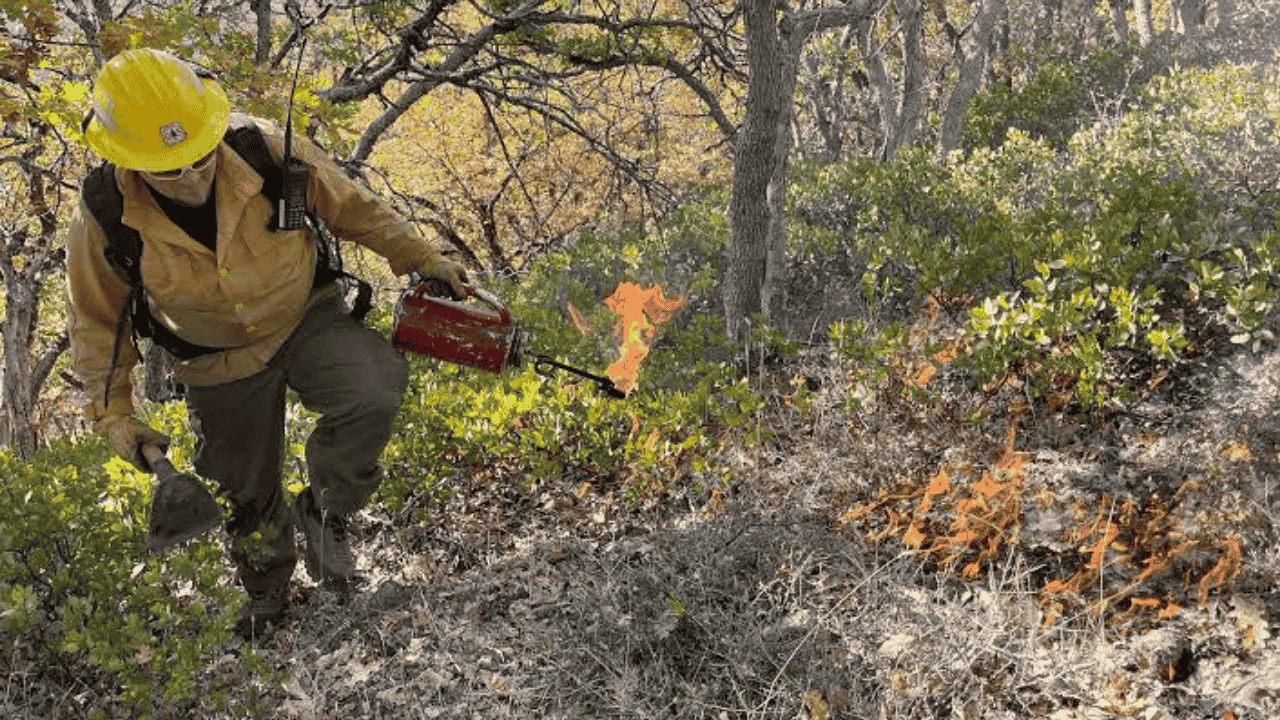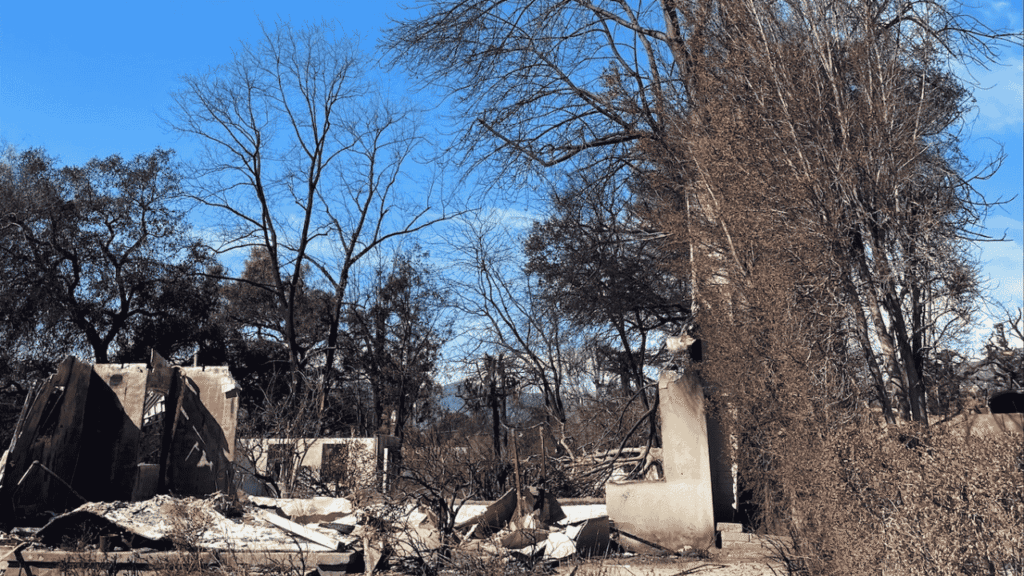
Wildfires do not end when flames are extinguished. For affected communities, the period following a wildfire is often the most challenging, involving displacement, infrastructure damage, environmental degradation, and emotional stress. Wildfire recovery and resilience planning provides a structured path forward, helping communities rebuild safely while reducing vulnerability to future fire events. Effective planning transforms recovery into an opportunity to strengthen systems, restore trust, and improve long-term safety.
Rather than returning to pre-fire conditions, resilience-focused recovery emphasizes adaptation, preparedness, and sustainable redevelopment that aligns with evolving wildfire risks.
Table of Contents
Recovery Overview
| Focus Area | Purpose |
|---|---|
| Immediate Recovery | Stabilize communities and restore essential services |
| Infrastructure Repair | Rebuild safer, fire-resilient systems |
| Community Support | Address social and economic impacts |
| Environmental Restoration | Repair damaged landscapes |
| Long-Term Outcome | Stronger, more resilient communities |
Post-Fire Stabilization
The first phase of recovery focuses on stabilizing affected areas. This includes securing damaged structures, restoring utilities, reopening transportation routes, and ensuring public safety.
Rapid stabilization reduces secondary risks such as flooding, erosion, and hazardous debris exposure. Coordinated action during this phase helps communities regain basic functionality while setting the stage for structured recovery planning.
Infrastructure Renewal
- Rebuilding roads, bridges, and utilities with fire-resistant design
- Hardening power and communication systems
- Improving access routes for emergency response
- Incorporating redundancy into critical services
Infrastructure renewal is a critical resilience opportunity. Rebuilding to higher safety standards reduces future disruptions and ensures essential services remain operational during subsequent wildfire events.
Housing Restoration
Housing recovery goes beyond reconstruction. Communities must balance speed with safety, ensuring that rebuilt homes are better prepared for future fire exposure.
Resilient housing strategies include fire-resistant materials, improved spacing between structures, and design features that reduce ember intrusion. These measures protect residents while supporting long-term community stability.
Environmental Repair
Wildfires often leave landscapes vulnerable to erosion, water contamination, and habitat loss. Environmental repair addresses these issues through soil stabilization, vegetation restoration, and watershed protection.
Healthy ecosystems recover more quickly and are less prone to extreme fire behavior in the future. Environmental recovery, therefore, supports both ecological health and community safety.
Community Healing
- Providing mental health and counseling services
- Supporting displaced residents and vulnerable populations
- Restoring schools, healthcare, and community spaces
- Encouraging public participation in recovery decisions
Wildfire recovery is as much social as it is physical. Addressing emotional and psychological impacts strengthens community cohesion and helps residents engage constructively in rebuilding efforts.
Economic Revitalization
Local economies often suffer significant disruption after wildfires. Recovery planning supports businesses, workers, and industries affected by closures and damage.
Economic revitalization efforts may include temporary assistance, workforce support programs, and incentives for resilient redevelopment. A stable economy accelerates overall recovery and reinforces long-term resilience.
Land Use Adaptation
Recovery planning offers an opportunity to reassess land use decisions. Communities may revise zoning, development patterns, and growth strategies to reduce exposure to wildfire risk.
Thoughtful land use adaptation helps guide future development away from high-risk areas while supporting safer, more sustainable community expansion.
Resilience Integration
Resilience planning ensures that lessons learned from wildfire events inform future preparedness. This includes integrating updated risk assessments, improving evacuation planning, and strengthening coordination among agencies and residents.
Embedding resilience into recovery reduces the likelihood that future wildfires will cause similar levels of damage.
Funding Alignment
- Coordinating recovery funding across agencies
- Prioritizing projects with long-term risk reduction benefits
- Ensuring transparency in resource allocation
- Supporting equitable access to recovery assistance
Aligned funding ensures that recovery investments contribute to resilience rather than simply replacing what was lost.
Monitoring Progress
Ongoing monitoring allows communities to track recovery outcomes, adjust strategies, and measure resilience improvements over time. Clear benchmarks and community feedback support accountability and continuous improvement.
Monitoring also helps identify emerging risks and ensures that recovery efforts remain aligned with evolving wildfire conditions.
Knowledge Transfer
Sharing recovery experiences helps other communities prepare for future wildfire events. Documenting lessons learned supports broader resilience efforts and strengthens regional and national wildfire management strategies.
Knowledge transfer turns local recovery into collective progress, benefiting communities beyond those directly affected.
Final Thoughts
Wildfire recovery and resilience planning is not just about rebuilding—it is about building back safer and stronger. By addressing infrastructure, housing, ecosystems, and community well-being together, affected communities can reduce future wildfire impacts while restoring quality of life.
As wildfire risk continues to grow, resilience-focused recovery planning ensures that communities emerge from disaster better prepared, more adaptive, and more capable of facing the challenges ahead.