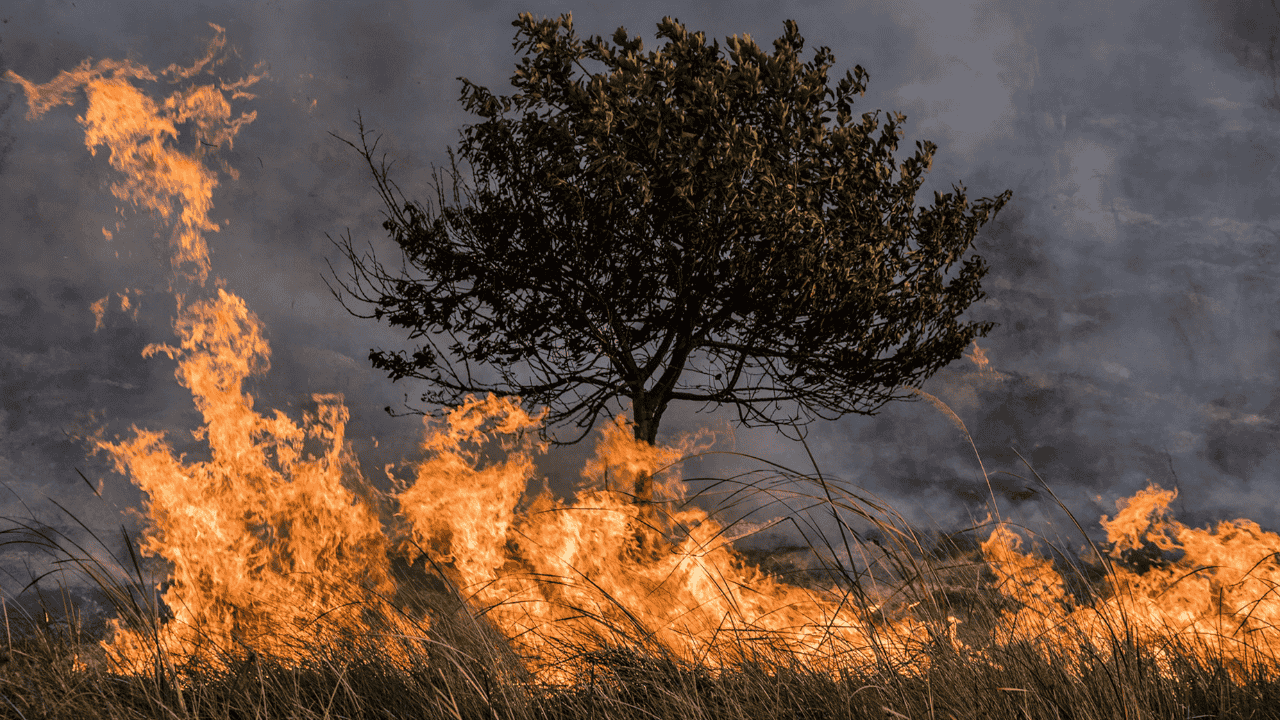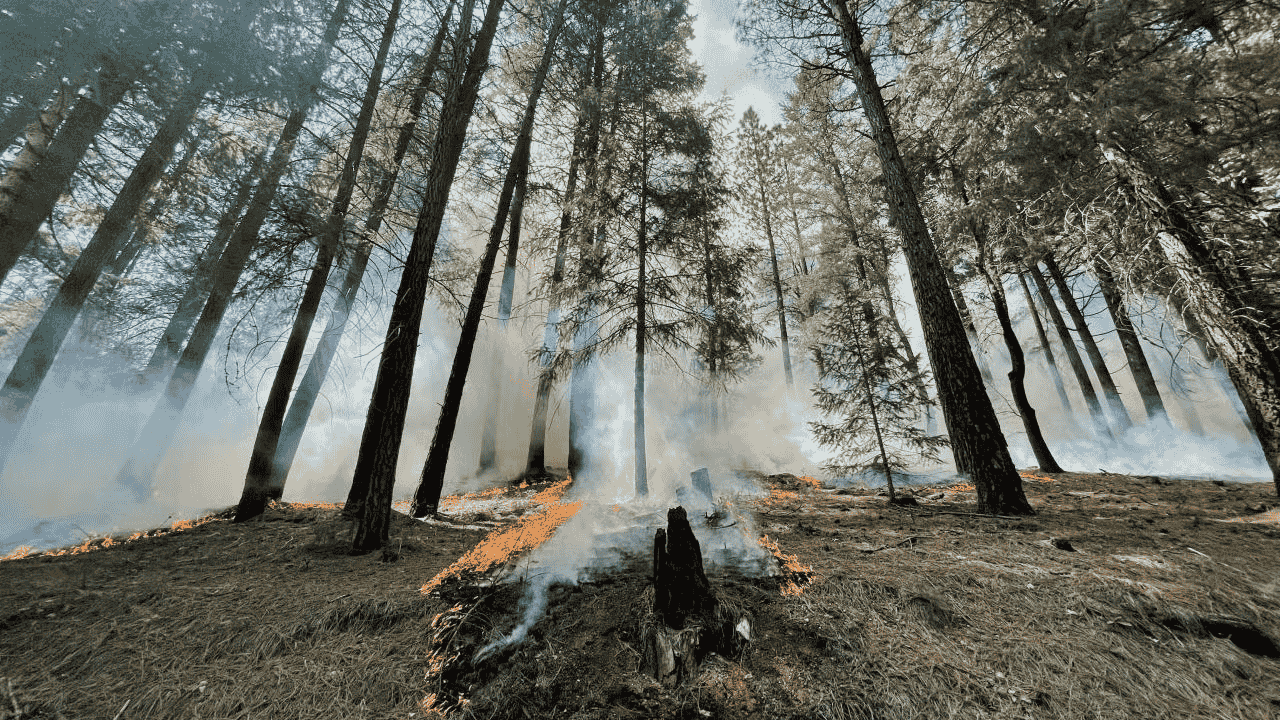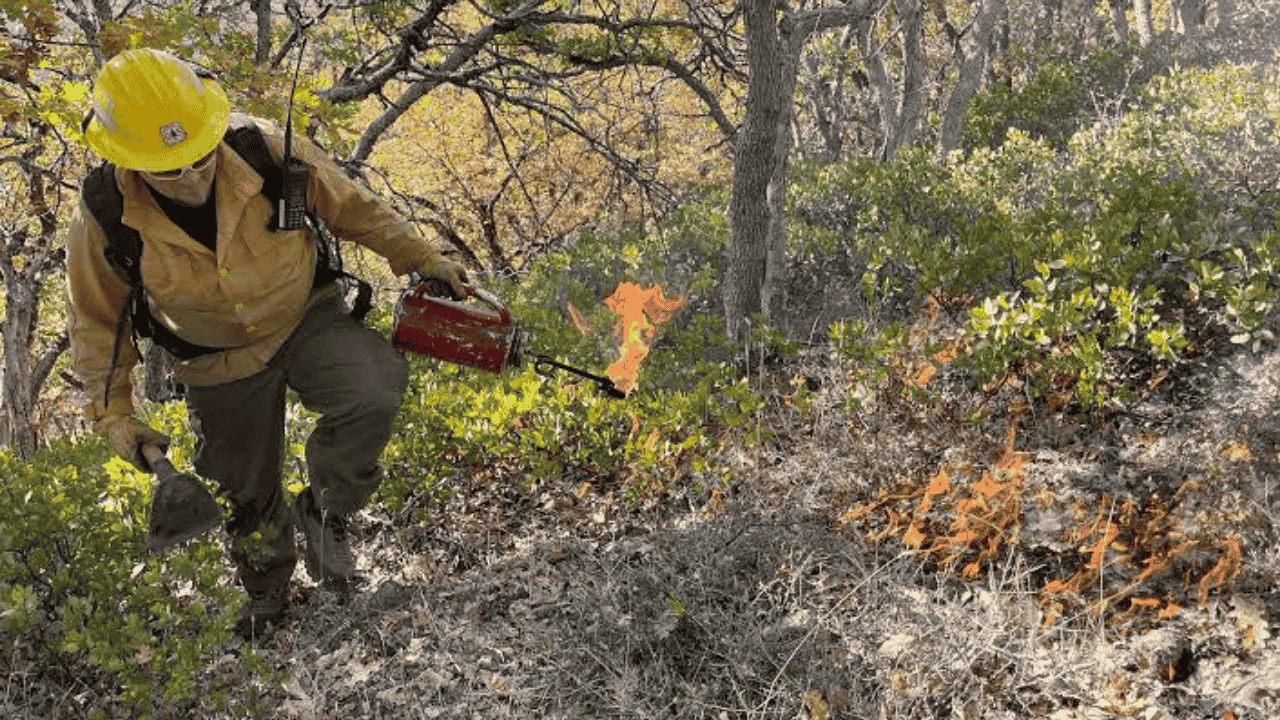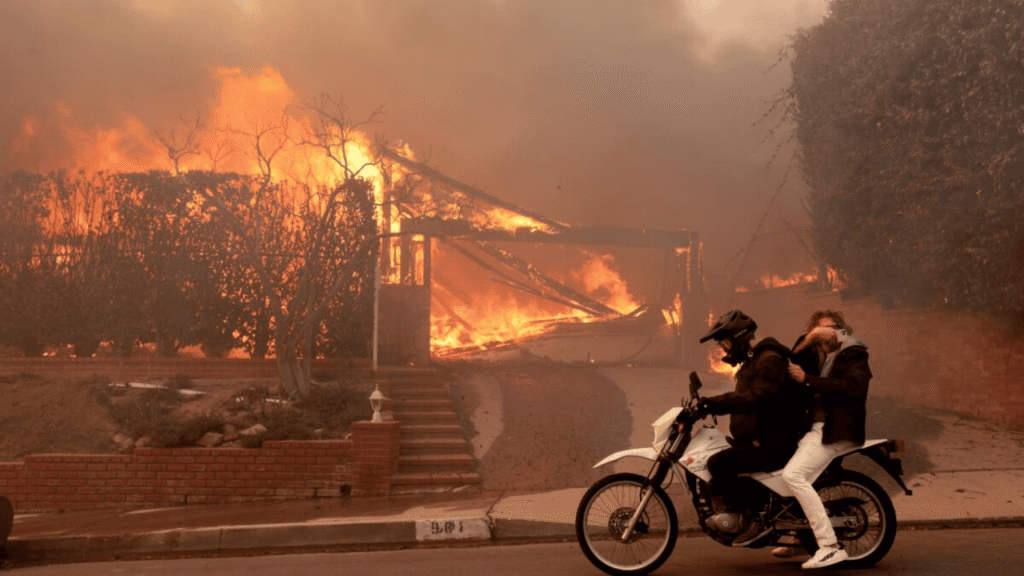
Wildfires are no longer isolated environmental disasters; they are large-scale economic shocks that affect governments, businesses, and households alike. As wildfire frequency and intensity increase, the financial burden continues to grow across suppression costs, infrastructure damage, health impacts, and long-term economic disruption. Communities now face not only the immediate destruction caused by fires but also years of recovery expenses that strain public budgets and local economies.
Understanding the true economic cost of wildfires highlights why prevention-focused strategies are far more cost-effective than reactive response alone. Investing in preparedness, mitigation, and resilience consistently proves to save billions over time.
Table of Contents
Economic Impact
| Cost Category | Economic Consequence |
|---|---|
| Fire Suppression | Escalating emergency response spending |
| Infrastructure Damage | Costly repairs and rebuilding |
| Health Impacts | Increased medical and productivity costs |
| Business Disruption | Lost revenue and employment |
| Long-Term Recovery | Extended public and private expenditure |
Suppression Spending
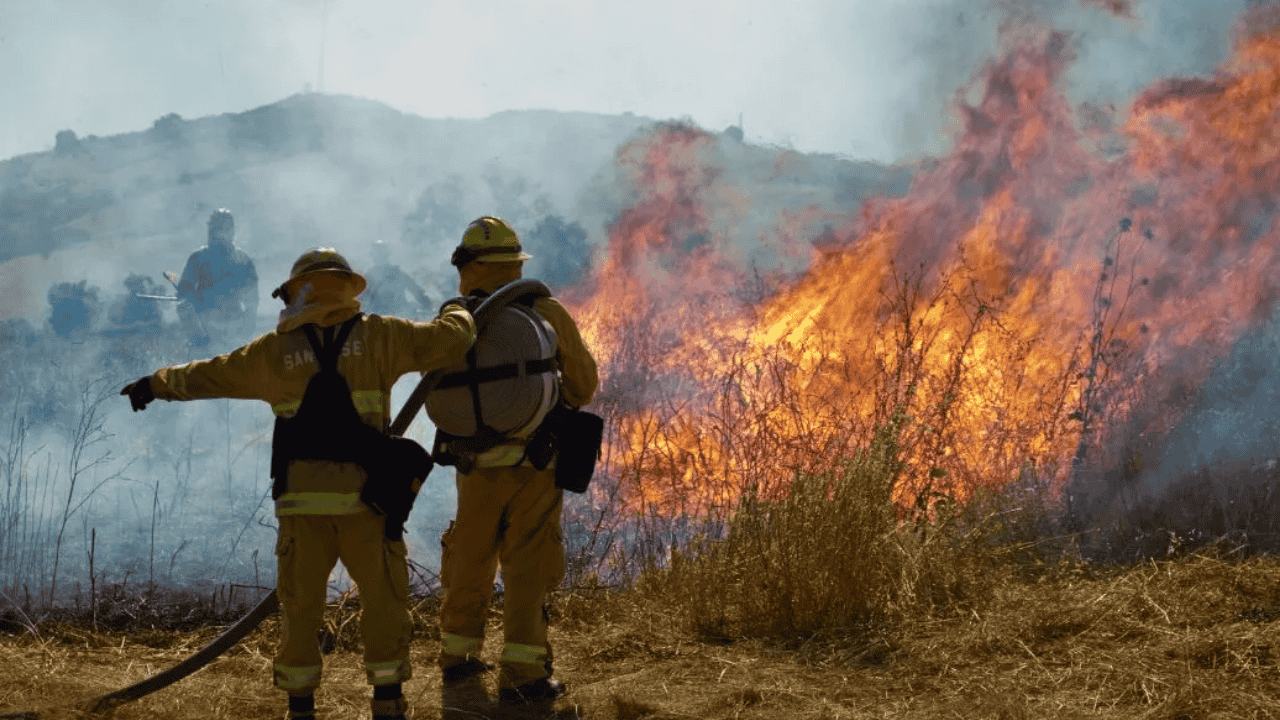
Fire suppression represents one of the most visible and immediate wildfire-related expenses. Governments allocate substantial resources to aircraft operations, ground crews, equipment, and emergency logistics during active fire seasons. These costs rise sharply during extreme fire events that require prolonged containment efforts.
As wildfires grow larger and more complex, suppression spending increasingly consumes emergency management budgets. This reactive approach often leaves fewer resources available for prevention and mitigation, creating a costly cycle of response without long-term risk reduction.
Infrastructure Losses
Wildfires inflict severe damage on critical infrastructure, including roads, power systems, water facilities, and communication networks. Rebuilding these assets requires significant public investment and can take years to complete.
Infrastructure losses also disrupt essential services, delaying economic recovery for affected regions. Repair costs often exceed initial estimates due to inflation, labor shortages, and evolving safety standards. Preventive planning reduces exposure and lowers the likelihood of catastrophic infrastructure failure.
Health-Related Costs
Wildfires generate extensive health-related expenses that extend far beyond fire zones. Smoke exposure contributes to respiratory illness, cardiovascular problems, and increased hospital admissions, affecting populations hundreds of miles away.
Lost productivity from illness, long-term health treatment, and public health interventions adds to the overall economic toll. These indirect costs often surpass direct suppression expenses, emphasizing the need for strategies that reduce fire intensity and duration.
Business Disruption
Wildfires disrupt local and regional economies by forcing business closures, halting tourism, and interrupting supply chains. Small businesses are particularly vulnerable, as prolonged shutdowns can lead to permanent closure.
Economic instability following wildfires reduces employment opportunities and tax revenue. Recovery may take years, especially in communities heavily reliant on natural resources or seasonal tourism. Prevention efforts help stabilize economic activity by minimizing disruption.
Housing Impacts
Residential losses represent a major component of wildfire-related economic damage. Destroyed homes require extensive rebuilding, insurance payouts, and public assistance programs.
Housing shortages following fires drive up rental costs and displacement-related expenses. These pressures affect both affected residents and the surrounding communities. Prevention measures that reduce fire risk in residential areas help protect housing supply and affordability.
Insurance Strain
The growing cost of wildfire damage places a significant strain on insurance systems. Rising claims lead to higher premiums, reduced coverage availability, and increased reliance on public disaster assistance.
In some regions, insurers withdraw from high-risk areas altogether, shifting financial responsibility to homeowners and governments. Prevention-focused land management and risk reduction help stabilize insurance markets and lower long-term financial exposure.
Prevention Investments
Prevention strategies consistently demonstrate strong economic returns. Fuel management, defensible space planning, and fire-resilient construction reduce the likelihood of catastrophic losses.
Every dollar invested in prevention typically saves multiple dollars in avoided suppression and recovery costs. These savings compound over time, making prevention one of the most fiscally responsible wildfire management approaches.
Community Preparedness
Prepared communities experience lower economic losses during wildfire events. Education, evacuation planning, and local risk assessments improve response efficiency and reduce damage.
Preparedness efforts also shorten recovery timelines, allowing businesses and residents to resume normal activity sooner. Strong community planning translates directly into economic resilience.
Policy Alignment
Effective wildfire prevention requires coordinated policy support at all levels. Funding mechanisms that prioritize mitigation over emergency response help shift spending toward long-term savings.
Policy alignment ensures consistent standards for land use, building practices, and risk management. These frameworks create economic predictability and reduce the financial volatility associated with wildfire disasters.
Future Challenges
Climate-driven fire behavior presents ongoing economic challenges. Longer fire seasons and expanding risk areas increase the potential for costly disasters.
Addressing these challenges requires sustained investment, adaptive planning, and continued emphasis on prevention. Ignoring long-term risk only increases future financial burdens for communities and governments.
The Bottom Line
The economic cost of wildfires extends far beyond flames and smoke, affecting every layer of society. Suppression, recovery, health impacts, and economic disruption collectively cost billions each year. Prevention-focused strategies offer a proven path to reducing these losses while strengthening community resilience.
By prioritizing mitigation, preparedness, and smart policy, wildfire management shifts from costly reaction to sustainable protection. Investing in prevention is not just environmentally responsible; it is one of the most effective ways to safeguard economic stability in a wildfire-prone future.