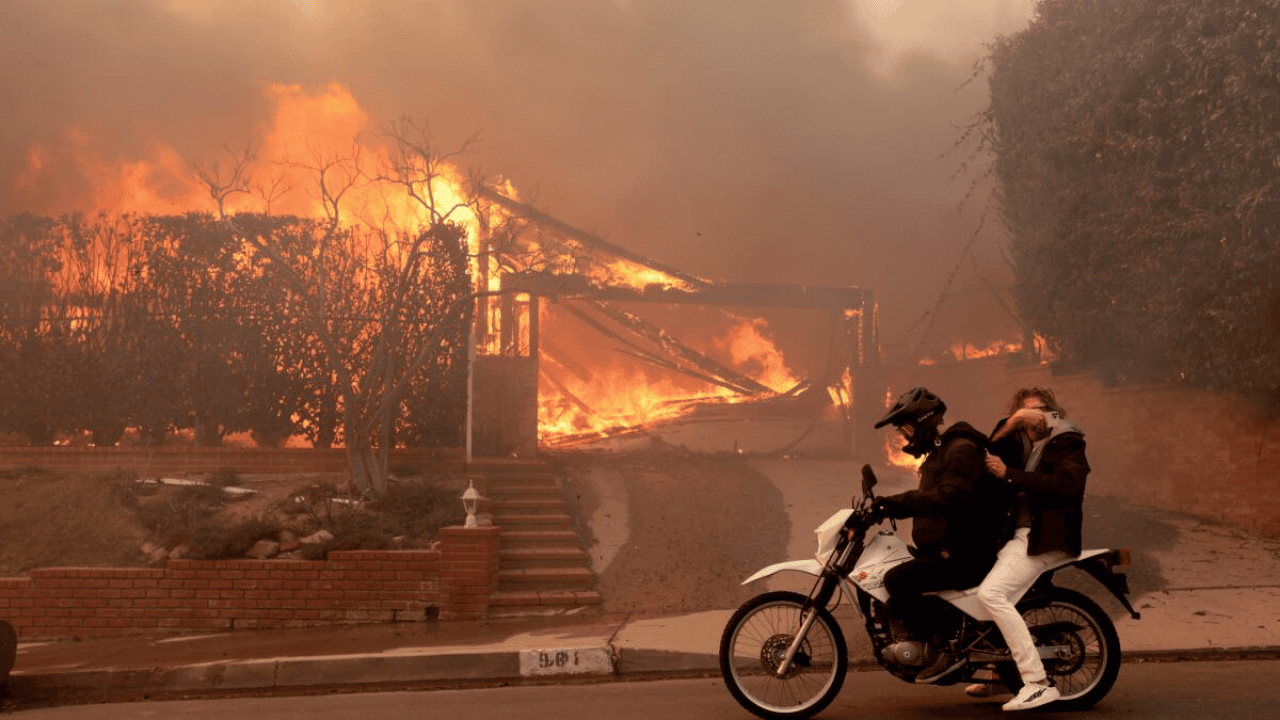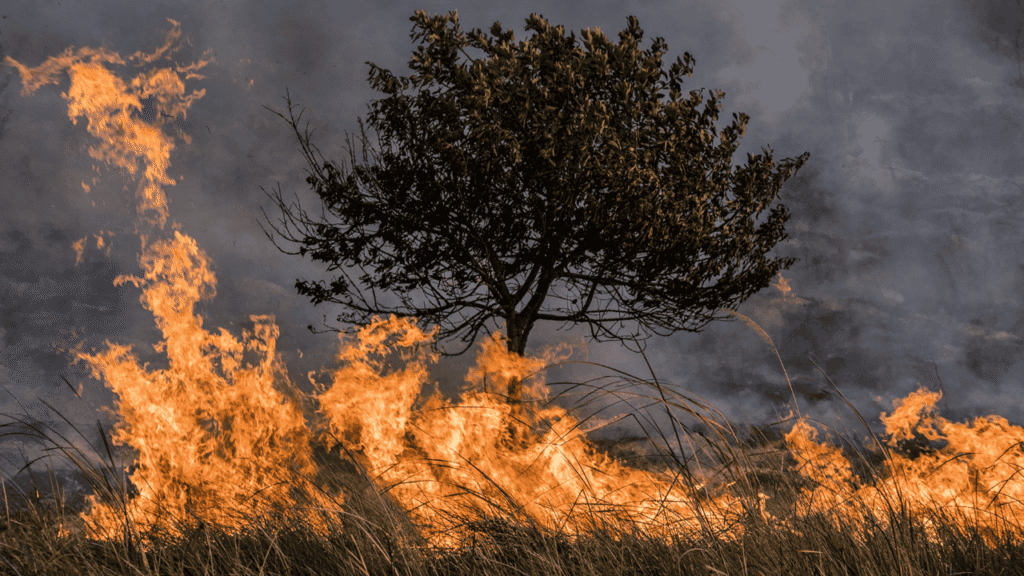
Wildfires are increasingly shaped by climate-driven conditions such as rising temperatures, prolonged droughts, and extreme weather variability. These factors have transformed wildfire behavior, making fires more intense, less predictable, and harder to contain. As climate change accelerates these trends, national wildfire strategies are evolving to address risks that extend far beyond traditional fire seasons.
Modern national strategies now emphasize adaptation, resilience, and long-term risk reduction rather than short-term suppression alone. By aligning climate science with fire management, agencies are reshaping policies, planning frameworks, and operational priorities to better protect communities, ecosystems, and economies.
Table of Contents
Strategy Evolution
| Strategic Focus | Climate-Driven Adaptation |
|---|---|
| Risk Assessment | Climate-informed fire modeling |
| Land Management | Fuel reduction and restoration |
| Community Planning | Climate-resilient development |
| Emergency Response | Flexible, adaptive operations |
| Long-Term Policy | Integration of climate science |
Climate Pressure
Climate change has intensified the environmental conditions that contribute to wildfire risk. Hotter summers, reduced snowpack, and earlier spring thaws dry vegetation for longer periods, increasing fuel availability across landscapes.
These shifts expand wildfire seasons and expose new regions to fire risk. National strategies increasingly recognize climate pressure as a core driver of wildfire behavior, requiring management approaches that anticipate long-term environmental change rather than relying on historical fire patterns.
Risk Forecasting
National wildfire strategies now rely heavily on climate-informed risk forecasting. Advanced modeling incorporates temperature trends, precipitation patterns, and vegetation changes to identify areas of emerging risk.
These forecasts support proactive planning by guiding fuel treatments, resource prepositioning, and infrastructure protection. Anticipating climate-driven fire behavior allows agencies to act earlier, reducing the likelihood of large-scale wildfire damage.
Landscape Management
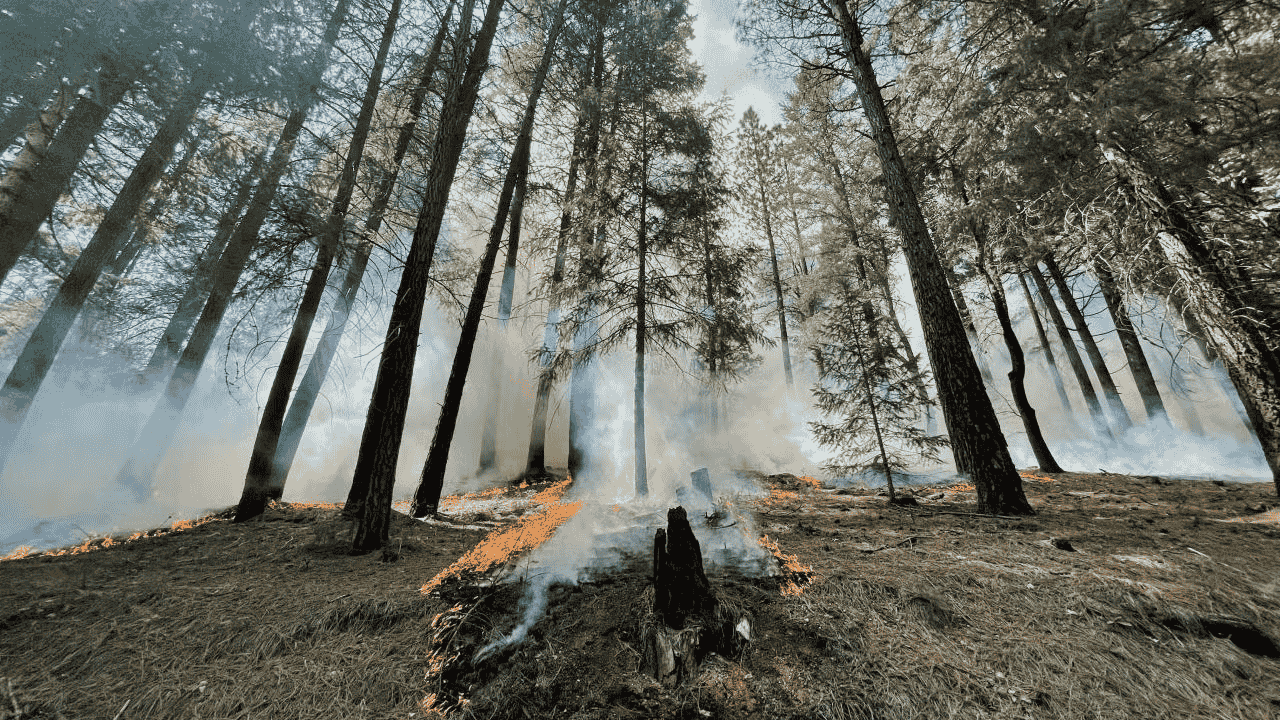
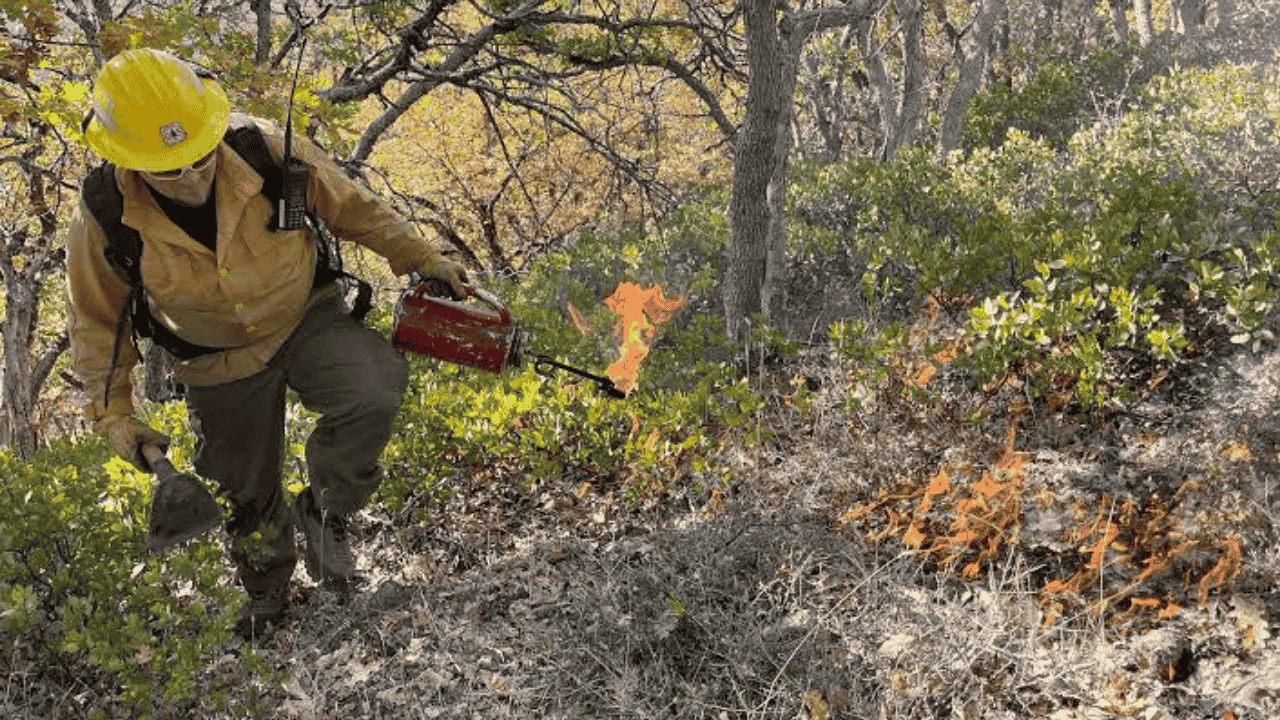
Climate adaptation has reshaped how landscapes are managed at a national level. Strategies increasingly prioritize fuel reduction, forest thinning, and ecosystem restoration to counteract climate-driven fuel accumulation.
By restoring more resilient landscapes, fire behavior becomes less extreme and easier to manage. These practices also support ecological balance, reducing the long-term impact of climate stress on forests and grasslands.
Community Adaptation
Communities are central to climate-adaptive wildfire strategies. National frameworks now emphasize land-use planning, building standards, and defensible space requirements designed for a warmer, drier future.
Community-focused adaptation reduces exposure to wildfire while supporting safer development patterns. By aligning local planning with national climate-aware strategies, communities become active partners in wildfire risk reduction.
Operational Flexibility
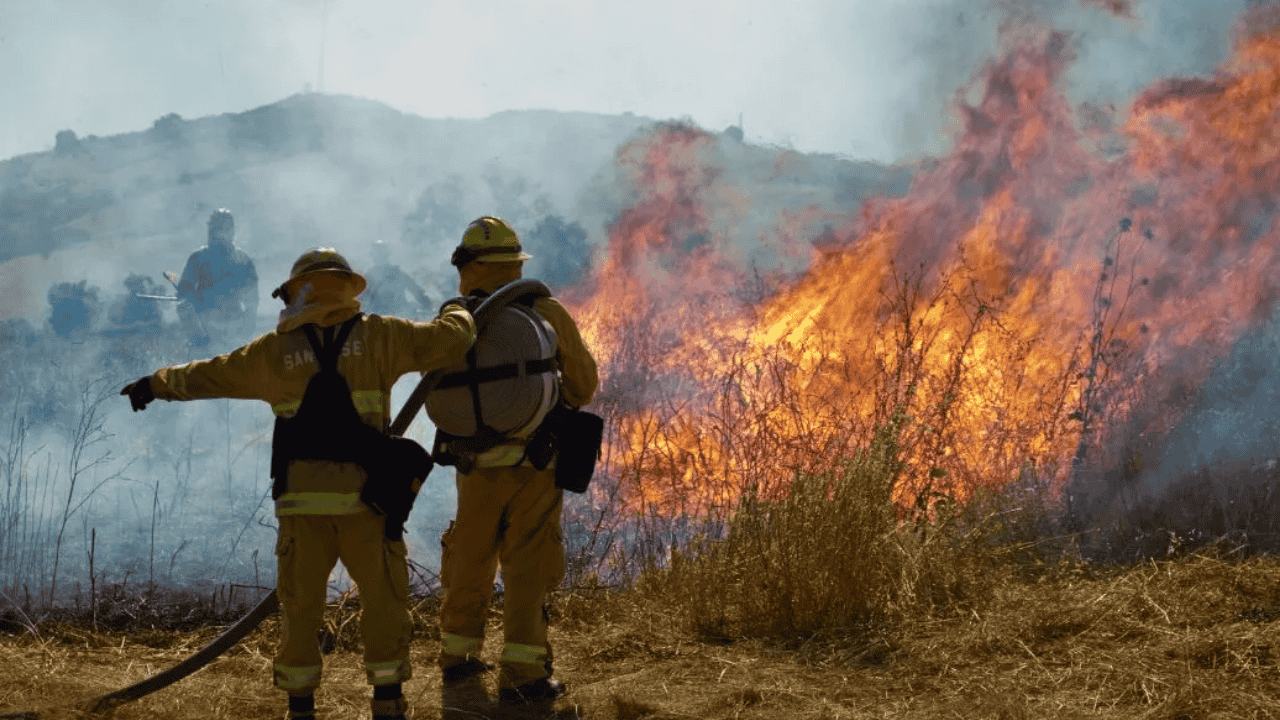
Climate change has increased uncertainty during wildfire incidents, requiring more flexible response strategies. National agencies are adapting operations to account for rapid weather shifts, extreme fire behavior, and simultaneous large-scale fires.
Flexible staffing models, adaptive response protocols, and scalable resource deployment improve readiness under climate-driven pressure. This operational agility is critical as traditional response timelines become less reliable.
Technology Integration
Technology plays a vital role in climate-adaptive wildfire strategies. Satellite monitoring, real-time weather data, and predictive analytics support faster detection and improved decision-making under changing conditions.
By integrating climate data into operational systems, agencies gain clearer insight into evolving risks. Technology ensures that national strategies remain responsive to both immediate fire threats and long-term climate trends.
Policy Alignment
Climate adaptation requires strong policy coordination across sectors. National wildfire strategies increasingly align with climate, land-use, and infrastructure policies to ensure consistent risk reduction efforts.
Policy alignment supports funding stability, regulatory clarity, and long-term planning. When wildfire management is integrated into broader climate policy, adaptation efforts become more effective and sustainable.
Capacity Building
Building capacity is essential for adapting to climate-driven wildfire risk. National strategies now emphasize workforce training, interagency collaboration, and shared expertise to address complex fire scenarios.
Capacity building also includes supporting state, local, and tribal partners who face climate impacts firsthand. Strengthening collective capability ensures more consistent and effective wildfire management nationwide.
Economic Considerations
Climate-driven wildfires impose growing economic costs. National strategies increasingly account for long-term financial risk by prioritizing prevention and resilience over reactive spending.
Investments in climate adaptation reduce future suppression and recovery expenses. By addressing wildfire risk through a climate lens, national strategies protect public budgets and economic stability.
Social Resilience
Climate adaptation extends beyond physical infrastructure to social systems. National strategies now recognize the importance of public awareness, preparedness, and equitable risk reduction.
Supporting vulnerable populations and ensuring access to resources strengthens social resilience. Adaptation-focused strategies aim to reduce disproportionate impacts on communities most affected by climate-driven wildfires.
Future Outlook
As climate change continues to reshape wildfire dynamics, national strategies will require ongoing adjustment. Continuous learning, data integration, and policy refinement are essential for staying ahead of emerging risks.
Adaptive strategies must remain forward-looking, balancing immediate fire response with long-term climate resilience. This evolving approach reflects a shift toward managing wildfire as a persistent, climate-influenced challenge rather than an episodic disaster.