Forests across the United States play a vital role in environmental stability, economic activity, and community well-being. At the same time, these landscapes are increasingly threatened by severe wildfires driven by fuel buildup, climate stress, and expanding development. Balancing forest health with effective fire prevention has become a national priority that requires long-term planning rather than short-term fixes.
Sustainable forest management now focuses on reducing wildfire risk while preserving ecological integrity. This balance ensures forests remain resilient, productive, and capable of supporting communities and ecosystems in a changing environment.
Table of Contents
Management Balance
| Focus Area | Core Purpose |
|---|---|
| Forest Health | Maintain resilient ecosystems |
| Fire Prevention | Reduce wildfire intensity |
| Fuel Treatment | Manage vegetation buildup |
| Community Safety | Protect lives and property |
| Long-Term Planning | Support sustainable landscapes |
Forest Conditions
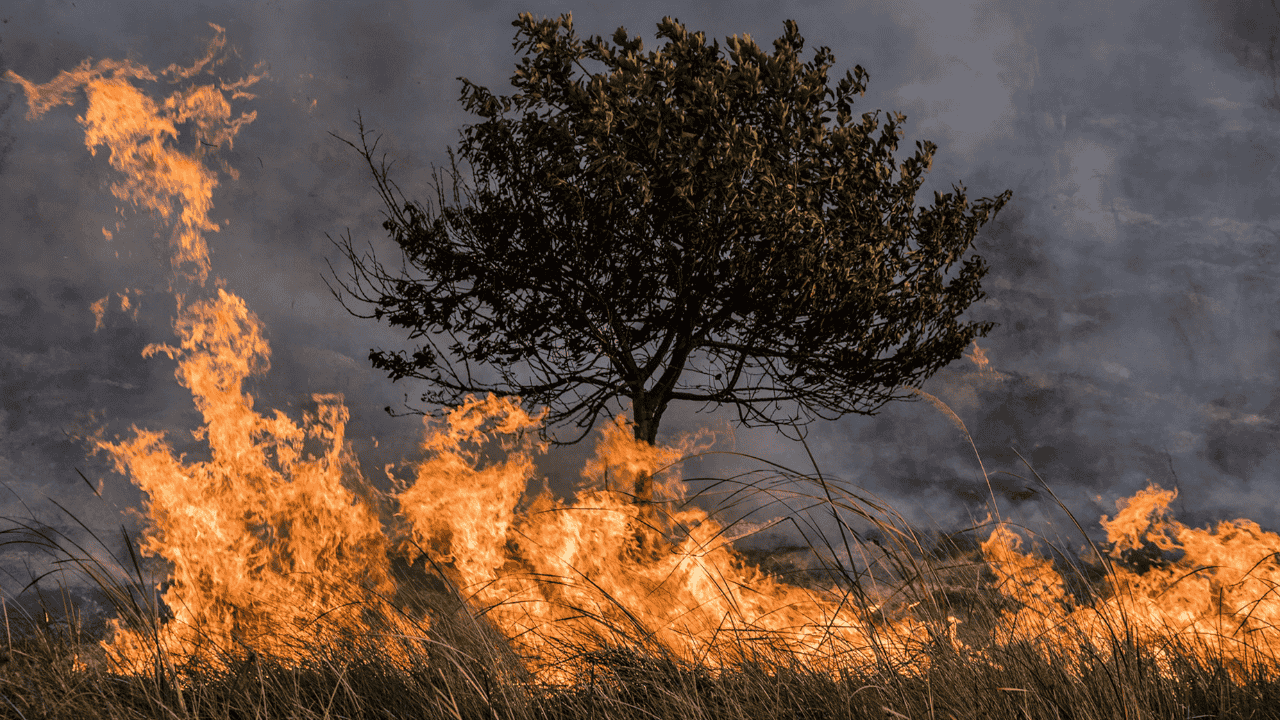
Many U.S. forests have experienced decades of fire suppression that unintentionally altered natural fire cycles. Without regular low-intensity fires, vegetation accumulated, creating dense fuel loads that now contribute to extreme wildfire behavior.
Unhealthy forest conditions increase susceptibility to pests, disease, and drought stress. Addressing these underlying issues is essential for reducing fire severity and restoring ecological balance. Forest health and fire risk are deeply interconnected challenges.
Fuel Management
Fuel management is a cornerstone of balancing forest health and fire prevention. Strategic thinning, brush removal, and vegetation management reduce the amount of combustible material available during fire events.
When applied thoughtfully, fuel treatments lower fire intensity without compromising ecological function. These practices help reintroduce more natural fire behavior while protecting nearby communities and critical infrastructure.
Prescribed Fire
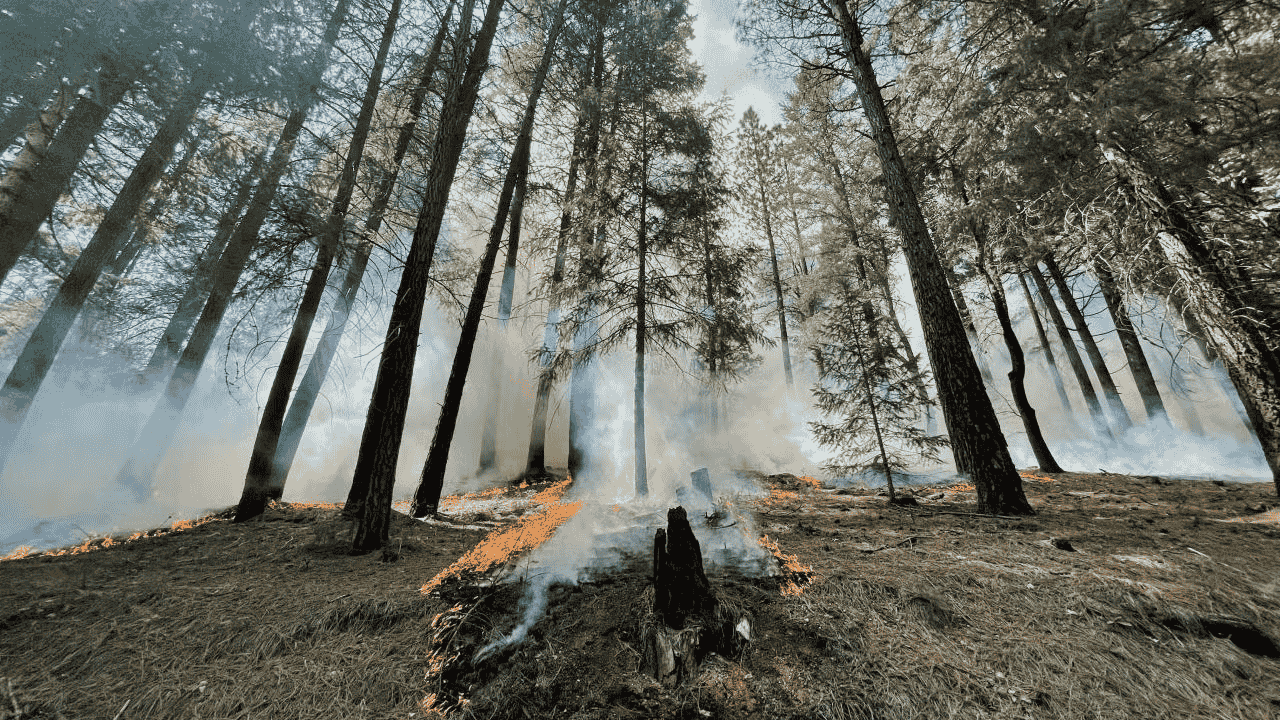
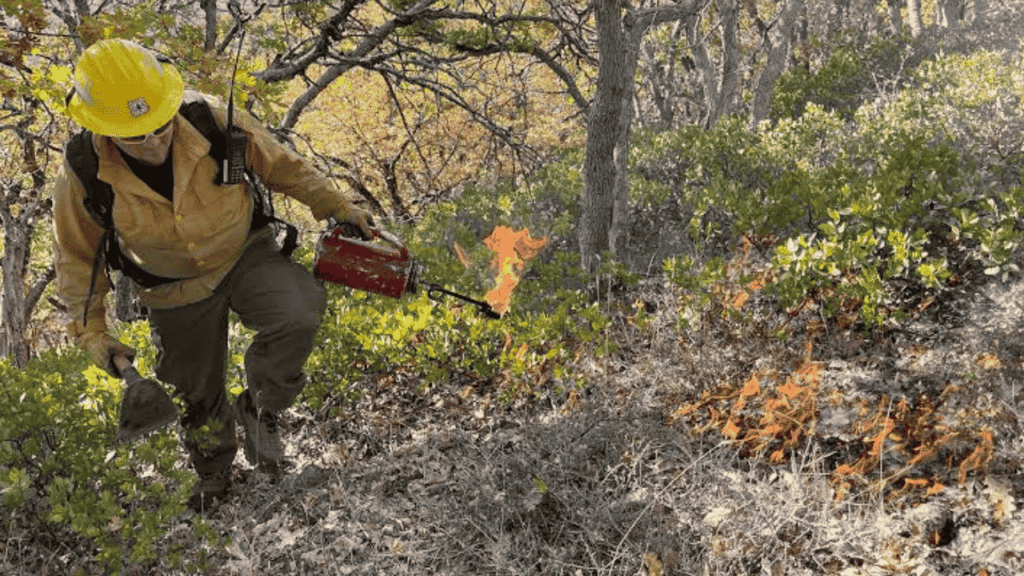
Prescribed fire is a key tool for restoring natural processes in fire-adapted ecosystems. Controlled burns reduce excess fuels, recycle nutrients, and support biodiversity.
Despite public concerns, prescribed fire is carefully planned and executed under specific conditions. Its long-term benefits include healthier forests and fewer catastrophic wildfires. Integrating prescribed fire into land management reflects a shift toward proactive risk reduction.
Ecosystem Resilience
Healthy forests are more resilient to wildfire, drought, and climate stress. Diverse tree species, balanced age structures, and open forest canopies reduce vulnerability to extreme fire behavior.
Resilient ecosystems recover faster after disturbance and continue providing essential services. Fire prevention strategies that support resilience focus on long-term ecosystem stability rather than short-term suppression outcomes.
Community Interface
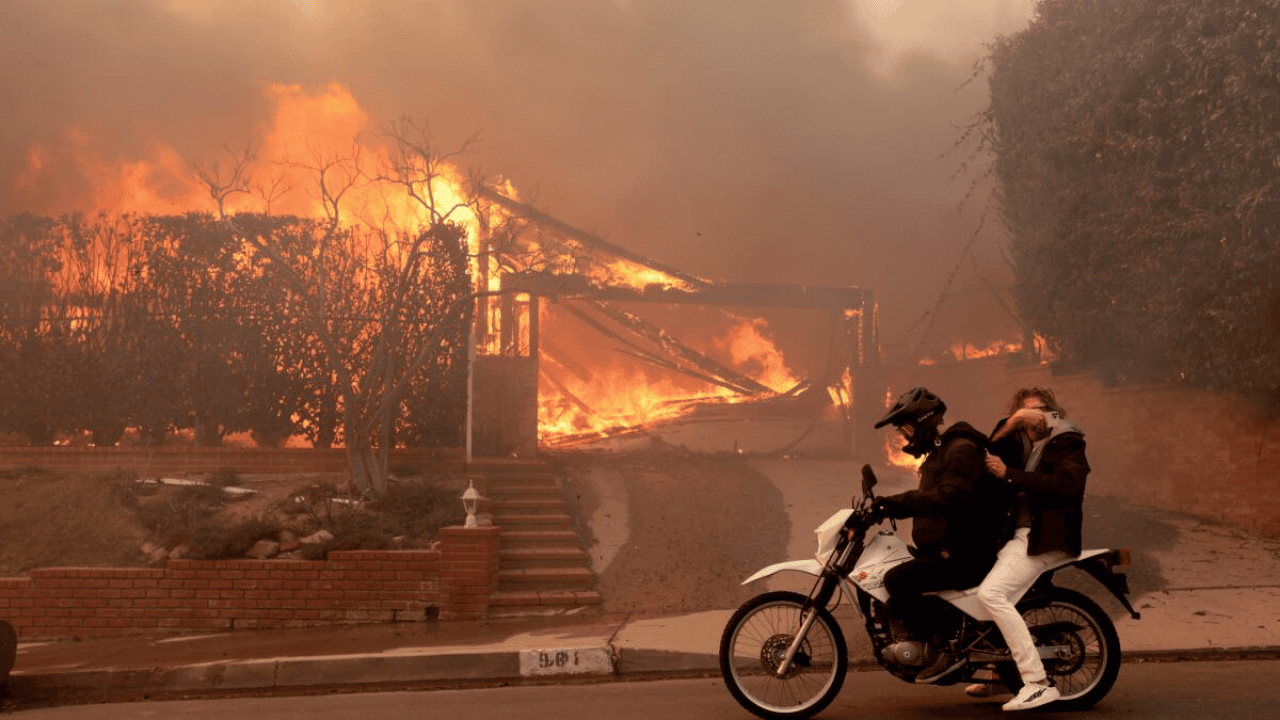
The expansion of development into forested areas increases the complexity of fire prevention. The wildland-urban interface requires coordinated strategies that address both forest management and community planning.
Defensible space, fire-resistant construction, and land-use planning reduce exposure to wildfire risk. Balancing forest health with community safety ensures that prevention efforts protect both natural and human systems.
Policy Frameworks
Effective balance depends on supportive policy frameworks that align environmental goals with fire prevention priorities. Policies increasingly emphasize collaborative planning, shared responsibility, and science-based decision-making.
Clear guidelines enable land managers to apply treatments consistently across jurisdictions. Policy alignment also supports funding stability for long-term forest health initiatives rather than reactive emergency spending.
Economic Considerations
Investing in forest health is economically sound. Preventive treatments reduce the cost of suppression, recovery, and infrastructure repair following severe wildfires.
Healthy forests also support industries such as recreation, tourism, and forestry. Balancing prevention with ecological stewardship protects both public budgets and local economies over time.
Capacity Building
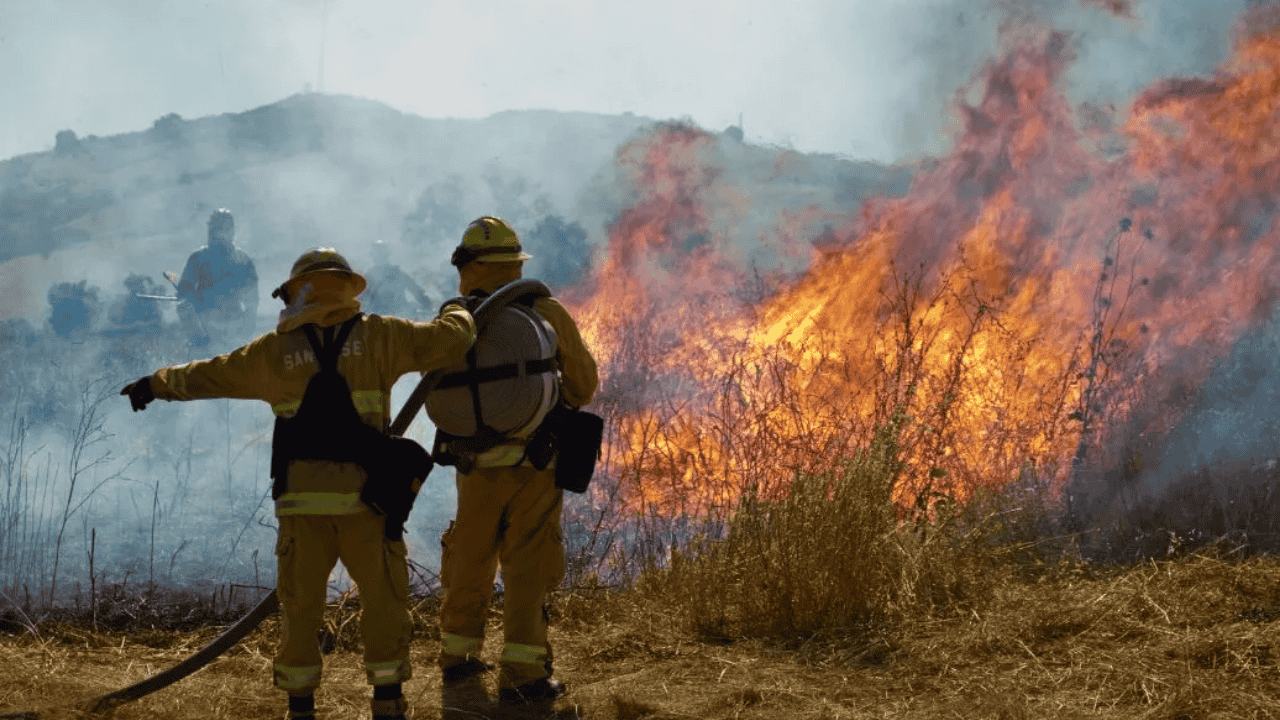
Implementing balanced strategies requires skilled personnel, equipment, and coordination. Capacity building focuses on workforce training, interagency collaboration, and shared technical expertise.
Strengthening capacity ensures that forest health treatments are applied effectively and safely. A well-prepared workforce is essential for sustaining prevention efforts across diverse landscapes.
Public Engagement
Public understanding plays a critical role in balancing forest health and fire prevention. Education initiatives help communities understand why treatments like thinning and prescribed fire are necessary.
Engaged stakeholders are more likely to support long-term management efforts. Transparency and communication build trust and reduce resistance to proactive fire prevention measures.
Climate Influence
Climate change intensifies the challenge of maintaining healthy forests. Warmer temperatures and prolonged drought increase stress on vegetation, making forests more fire-prone.
Adaptive management strategies now incorporate climate projections into planning. Balancing forest health under changing conditions requires flexibility, monitoring, and continuous learning.
Research Integration
Ongoing research informs best practices for balancing forest health and fire prevention. Scientific studies guide treatment design, timing, and landscape-scale planning.
Integrating research into management ensures that strategies remain effective as conditions evolve. Evidence-based approaches reduce uncertainty and improve outcomes across regions.
The Way Forward
Balancing forest health and fire prevention is not a choice between ecology and safety; it is a unified strategy that supports both. By managing fuels, restoring natural processes, and strengthening community resilience, the United States can reduce wildfire risk while maintaining healthy forests.
Long-term success depends on sustained investment, policy alignment, and public support. A balanced approach ensures forests continue to thrive while protecting lives, economies, and ecosystems in an era of increasing wildfire challenges.