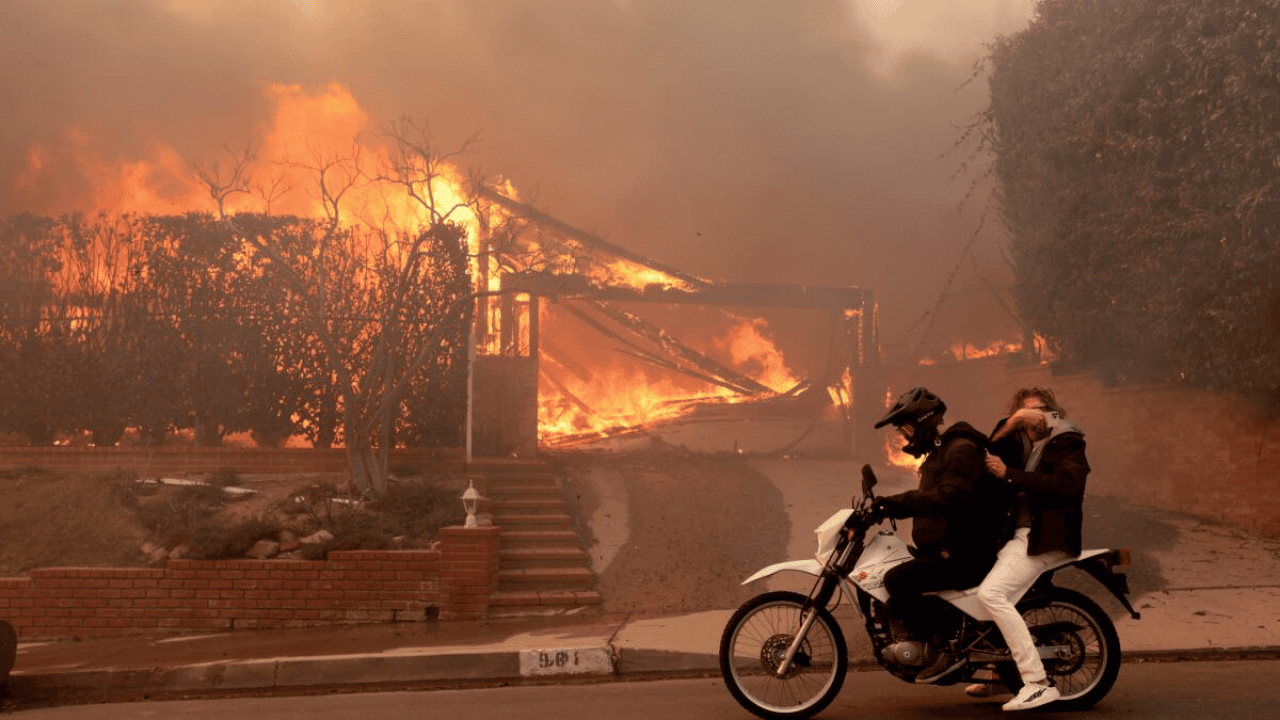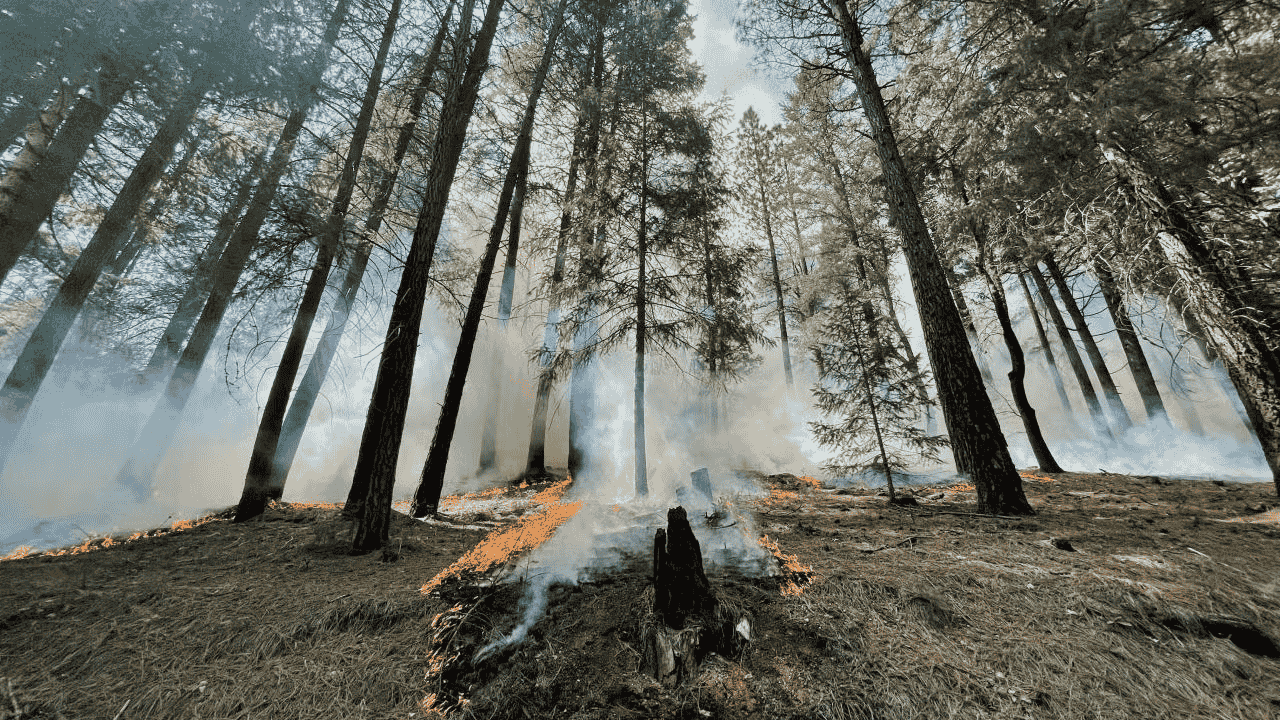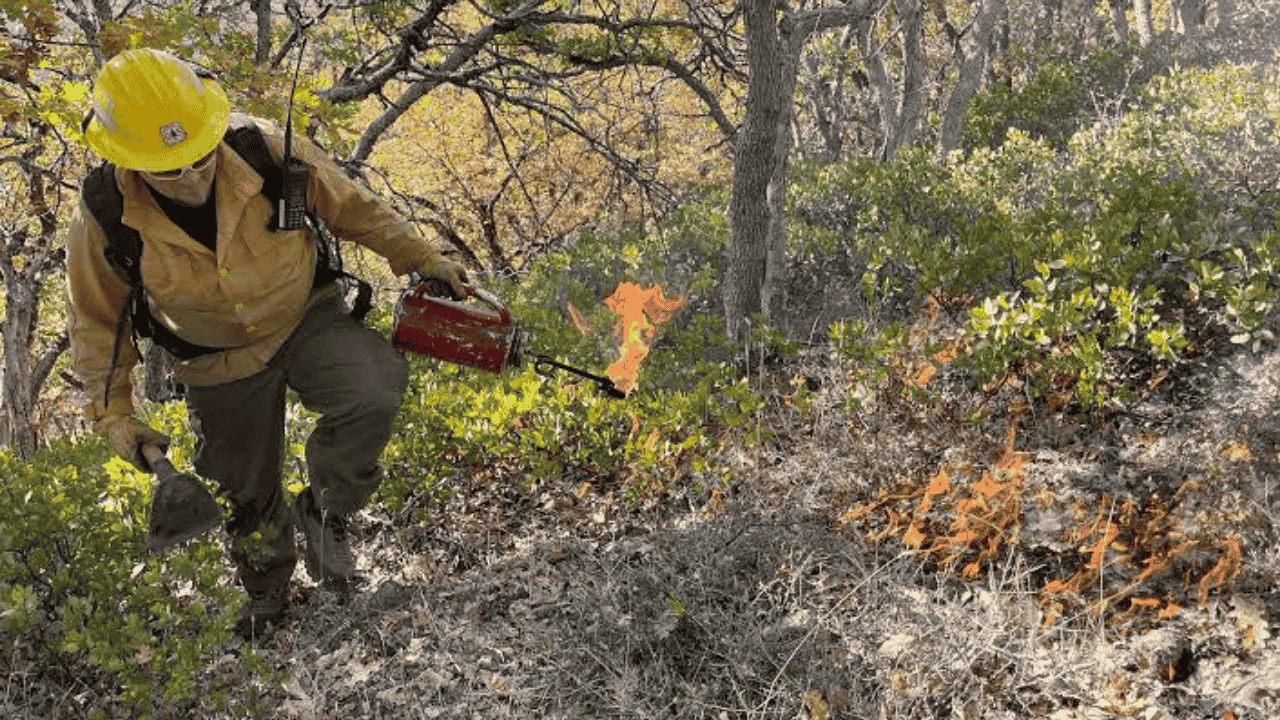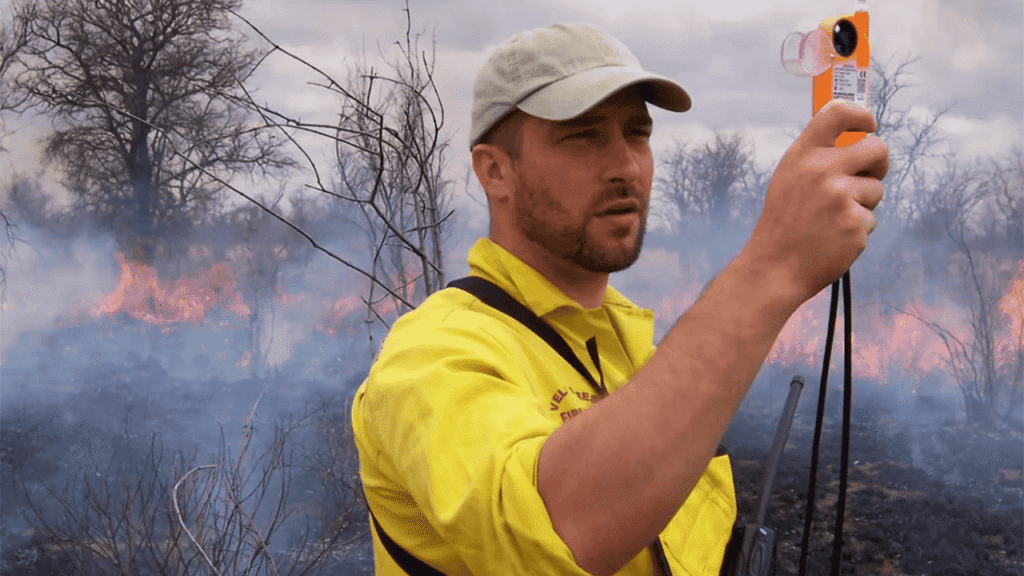
Wildfires are becoming more frequent, intense, and unpredictable, creating serious risks for communities, ecosystems, and critical infrastructure. Early warning systems have emerged as one of the most effective tools for reducing wildfire damage by detecting threats sooner and enabling faster, better-coordinated responses. These systems combine technology, data, and planning to shift wildfire management from reactive suppression to proactive risk reduction.
By providing timely alerts and actionable intelligence, early warning systems help decision-makers protect lives, property, and natural resources. Their growing role reflects a broader shift in modern fire management toward prevention, preparedness, and resilience.
Table of Contents
Early Warning Systems in Wildfire Management
| Aspect | Purpose and Value |
|---|---|
| Detection | Identifies fires or high-risk conditions at early stages |
| Monitoring | Tracks weather, vegetation, and fire behavior in real time |
| Alerts | Notifies authorities and communities quickly |
| Decision Support | Guides evacuation, resource deployment, and planning |
| Risk Reduction | Minimizes damage through faster, informed action |
Early Detection Capabilities
Advanced detection technologies form the foundation of modern early warning systems. Sensors, remote imaging, and automated monitoring tools identify ignition points before fires grow out of control. These capabilities allow fire managers to respond during the most manageable stages of a wildfire.
Early detection also reduces reliance on visual reporting alone, which can be delayed by terrain, weather, or limited visibility. Faster identification means fewer acres burned, lower suppression costs, and reduced exposure for firefighters. This proactive approach is essential as climate conditions continue to intensify fire behavior.
Real-Time Environmental Monitoring
Continuous monitoring of weather patterns, fuel moisture, wind speed, and temperature plays a critical role in predicting wildfire risk. Early warning systems integrate these data streams to assess when and where conditions are most likely to support rapid fire spread.
Real-time monitoring helps agencies anticipate dangerous scenarios rather than reacting after a fire starts. When combined with historical fire data, these systems improve situational awareness and allow for strategic pre-positioning of resources. This capability supports smarter planning and safer operational decisions.
Rapid Alert and Notification Systems
Timely alerts are a core benefit of early warning systems, especially for communities in high-risk areas. Automated notifications ensure that emergency managers, first responders, and residents receive consistent and accurate information during critical moments.
Rapid alerts reduce confusion and delay, enabling faster evacuations and protective actions. Clear, early communication builds trust and encourages compliance with safety guidance. This function is especially important for vulnerable populations who need additional time or support to respond.
Support for Emergency Decision-Making
Early warning systems enhance decision-making by providing actionable intelligence rather than raw data. Fire behavior models, risk maps, and predictive tools help leaders determine where to allocate resources and when to initiate protective measures.
Improved decision support reduces guesswork during fast-moving incidents. Fire managers can balance suppression efforts with firefighter safety and community protection. This structured approach leads to more efficient responses and better outcomes under pressure.
Community Preparedness Benefits
Early warning systems are not only operational tools but also community preparedness assets. When communities understand alerts and risk levels, they are better equipped to take preventive actions such as clearing defensible space or preparing evacuation plans.
Public education linked to warning systems increases awareness and shared responsibility. Communities that engage with these tools tend to recover faster and experience fewer losses. Preparedness driven by early information strengthens long-term resilience against recurring wildfire threats.
Integration With Fire Management Planning
Effective early warning systems are integrated into broader fire management and land-use planning efforts. They inform prescribed burn scheduling, fuel reduction priorities, and infrastructure protection strategies.
This integration ensures that warning systems contribute to prevention, not just response. When planners use early warning insights to guide long-term decisions, wildfire risk is reduced at the landscape scale. Coordination between planners and emergency responders maximizes the value of these systems.
Capacity Building and Training
Successful use of early warning systems depends on skilled personnel and consistent training. Fire agencies and local governments must build capacity to interpret data, operate tools, and communicate alerts effectively.
Training programs help ensure that technology enhances human decision-making rather than complicating it. Capacity building also supports continuity during staff changes or large-scale emergencies. Strong institutional knowledge improves reliability and trust in early warning systems.
Policy and Governance Considerations
Policy frameworks play a key role in expanding and sustaining early warning systems. Clear governance structures define responsibilities for data sharing, alert issuance, and system maintenance across agencies.
Supportive policies encourage investment, collaboration, and standardization. They also address equity by ensuring all communities have access to timely warnings. Effective governance transforms early warning systems from isolated tools into coordinated public safety infrastructure.
Challenges and Future Improvements
Despite their benefits, early warning systems face challenges such as data gaps, system interoperability, and public alert fatigue. Addressing these issues requires ongoing evaluation and adaptation.
Future improvements focus on greater accuracy, localized risk assessments, and stronger integration with community planning. As wildfire conditions evolve, early warning systems must remain flexible and responsive. Continuous innovation ensures they remain effective in reducing damage and saving lives.
The Way Forward
Early warning systems are reshaping wildfire management by shifting the focus toward prevention, preparedness, and informed response. Their ability to detect risk early, support decision-making, and empower communities makes them indispensable in modern fire management.
As wildfire threats continue to grow, investing in robust early warning systems is no longer optional. Strengthening technology, training, and policy alignment will ensure these systems play a central role in protecting people, landscapes, and infrastructure for years to come.