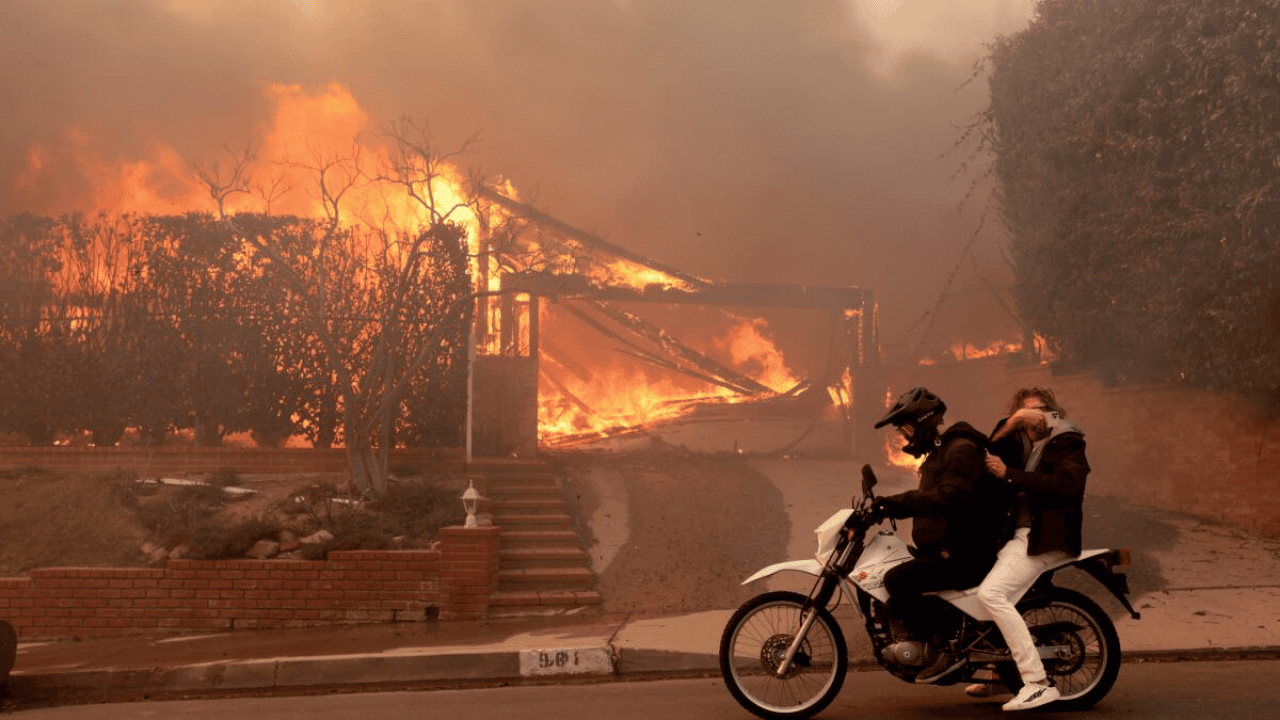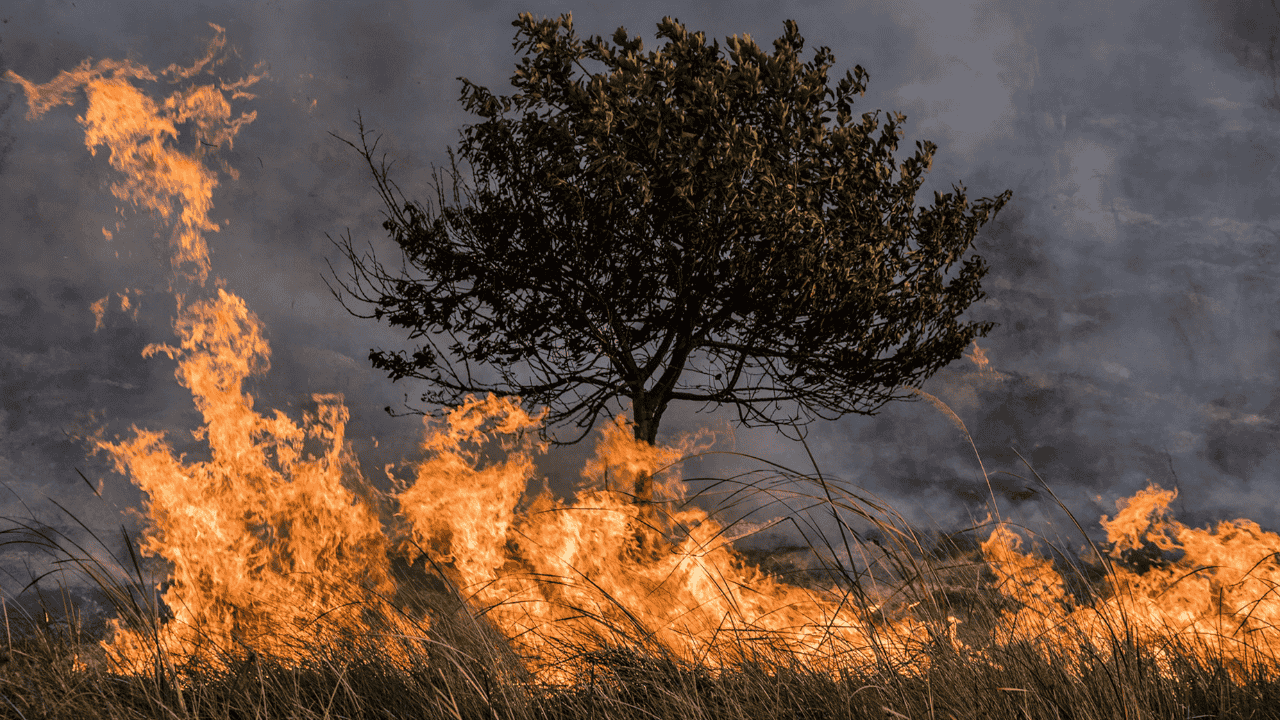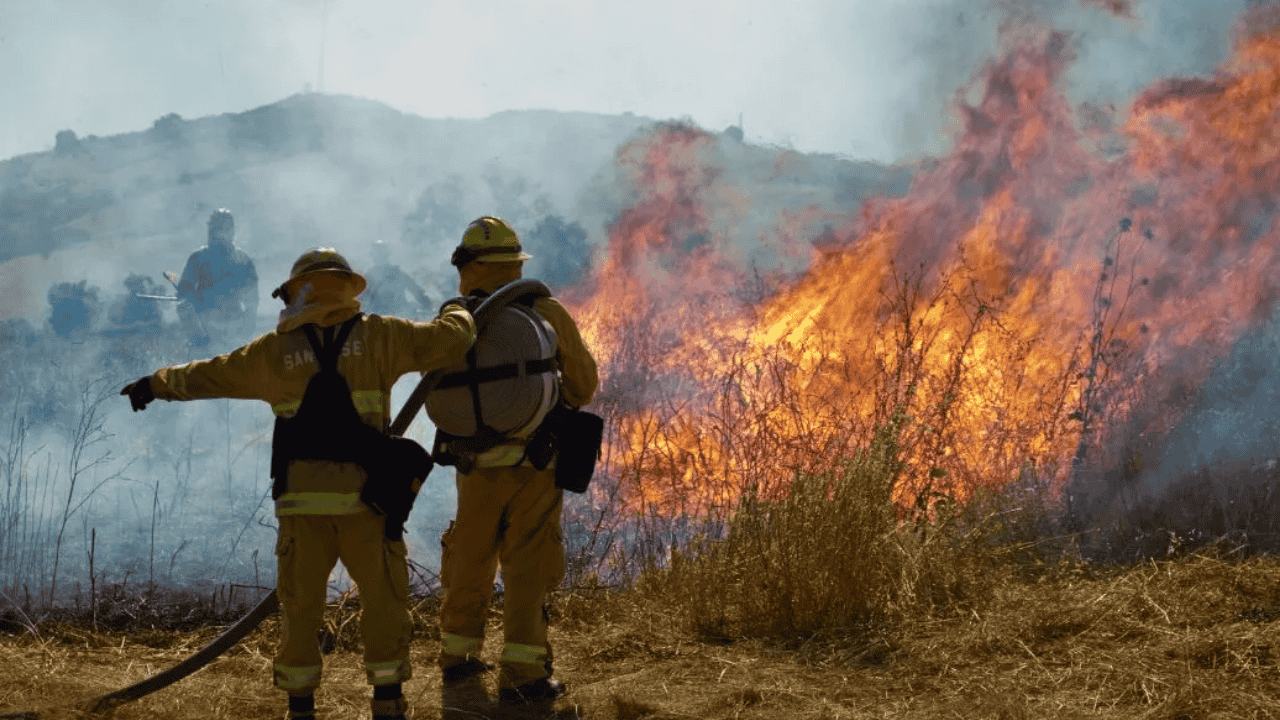
Wildfire severity across many regions is no longer driven by single extreme events but by decades of land-use decisions, vegetation change, and climate pressure. Short-term suppression alone cannot address these underlying drivers. Long-term landscape management focuses on reshaping how land functions over time to reduce fire intensity, improve ecosystem resilience, and protect communities.
By managing forests, grasslands, and open spaces as interconnected systems, landscape-scale approaches reduce fuel buildup, moderate fire behavior, and create conditions where fire can occur without becoming catastrophic. This strategy shifts wildfire management from reaction to prevention, delivering lasting environmental and economic benefits.
Table of Contents
Landscape Overview
Core Elements of Long-Term Landscape Management
| Management Element | Primary Purpose |
|---|---|
| Fuel Reduction | Limit fire intensity |
| Ecosystem Restoration | Improve natural resilience |
| Strategic Planning | Coordinate actions at scale |
| Community Integration | Reduce exposure and loss |
| Adaptive Monitoring | Adjust practices over time |
Fuel Management
Excessive fuel accumulation is one of the most significant contributors to severe wildfires. Long-term landscape management prioritizes systematic fuel reduction across large areas rather than isolated treatment zones.
By managing fuels continuously over time, landscapes become less prone to fast-moving, high-intensity fires. Fuel management also improves firefighter safety and increases the effectiveness of suppression efforts when fires do occur.
Key fuel management actions include:
- Mechanical thinning in overstocked forests
- Removal of invasive or highly flammable vegetation
- Maintenance of fuel breaks at the landscape scale
- Coordinated treatment schedules across jurisdictions
Ecosystem Restoration
Restoring natural ecosystem functions is central to reducing wildfire severity. Many U.S. landscapes evolved with frequent, low-intensity fire, and restoring these conditions improves long-term stability.
Healthy ecosystems regulate fire behavior naturally by maintaining balanced vegetation structures. Restoration efforts focus on diversity, soil health, and water retention, all of which influence how fire spreads and burns.
Restoration priorities often involve:
- Reestablishing native plant communities
- Improving forest age and species diversity
- Enhancing watershed and soil conditions
- Supporting wildlife habitat recovery
Prescribed Fire
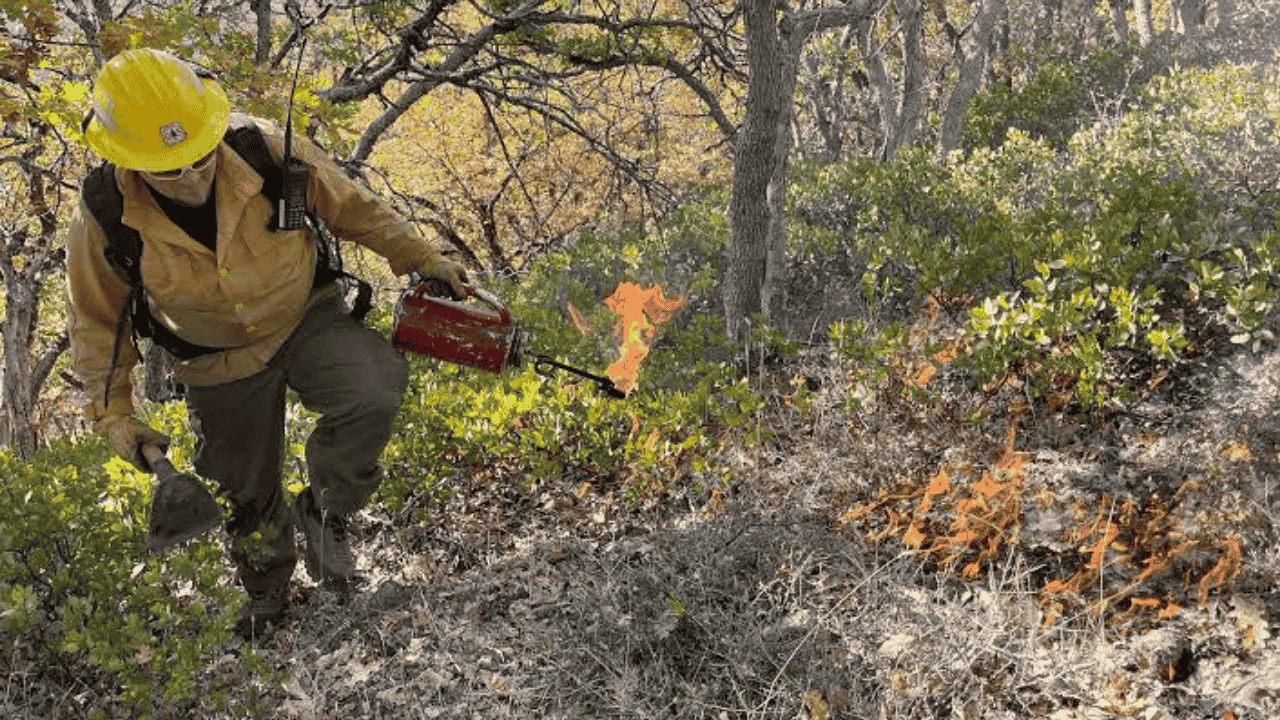
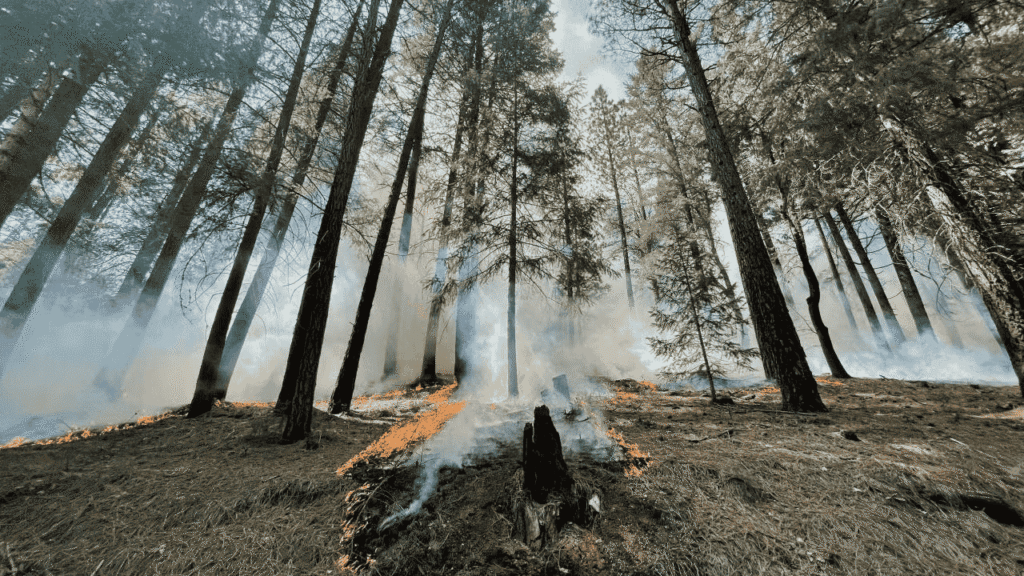
Prescribed fire plays a critical role in long-term landscape management. When applied consistently, controlled burning reduces surface fuels and prevents dangerous fuel accumulation.
Unlike emergency suppression, prescribed fire is planned under specific weather and moisture conditions. Over time, repeated use creates landscapes that experience fire more safely and predictably.
Prescribed fire also delivers ecological benefits by recycling nutrients, promoting native species, and reducing pest outbreaks. Its long-term value lies in restoring fire as a natural and manageable process.
Spatial Planning
Effective landscape management requires careful spatial planning that considers how treatments interact across large areas. Fire does not recognize boundaries, making coordination essential.
Spatial planning ensures that fuel treatments, restoration zones, and natural fire corridors work together. This connected approach limits fire spread and reduces the likelihood of extreme behavior during wind-driven events.
Strategic placement of treatments increases their effectiveness while minimizing ecological disruption.
Community Integration
Long-term landscape management extends beyond public lands into areas where people live and work. Integrating community planning with landscape strategies reduces exposure at the wildland-urban interface.
Landscapes designed with community safety in mind include buffers, defensible space, and fire-adapted development patterns. This integration ensures that prevention efforts protect both ecosystems and human settlements.
Community involvement also builds support for long-term management actions that may take years to show results.
Policy Alignment
Sustained landscape management depends on consistent policy support. Policies that prioritize long-term risk reduction enable land managers to plan beyond annual fire seasons.
Aligned policies support stable funding, shared objectives, and coordinated implementation across agencies. When policy frameworks reinforce long-term goals, landscape management becomes more predictable and effective.
Clear policy direction also reduces delays and uncertainty in treatment approvals.
Capacity Building
Implementing long-term landscape strategies requires skilled personnel, equipment, and institutional knowledge. Capacity building ensures that agencies can sustain management efforts over decades.
Training, workforce development, and interagency collaboration strengthen the ability to manage landscapes at scale. Building local and regional capacity also supports continuity as conditions evolve.
Without sufficient capacity, even well-designed strategies cannot achieve lasting impact.
Monitoring Systems
Long-term success depends on continuous monitoring and evaluation. Data collection allows managers to assess treatment effectiveness and adjust practices as landscapes respond.
Monitoring systems track vegetation changes, fire behavior trends, and ecological outcomes. This feedback loop ensures that management remains adaptive rather than static.
Adaptive monitoring reduces uncertainty and supports evidence-based improvement over time.
Climate Adaptation
Climate change adds complexity to long-term landscape management. Warmer temperatures and shifting precipitation patterns influence vegetation growth and fire behavior.
Adaptive strategies incorporate climate projections into planning decisions. By anticipating future conditions, managers can design treatments that remain effective under changing environmental pressures.
Climate-aware management reduces the risk of strategies becoming obsolete as conditions evolve.
Economic Value
Long-term landscape management delivers strong economic returns. Preventive treatments reduce the cost of suppression, disaster recovery, and infrastructure repair.
Healthy landscapes also support industries such as forestry, recreation, and tourism. Investing in long-term management protects both public finances and local livelihoods.
Over time, prevention-focused spending consistently costs less than repeated emergency response.
Last Words
Long-term landscape management is one of the most effective tools for reducing wildfire severity. By addressing fuels, restoring ecosystems, integrating communities, and adapting to climate change, this approach reshapes how fire interacts with the land.
Sustained commitment, coordinated planning, and adaptive learning are essential for success. When landscapes are managed with a long-term vision, wildfires become less destructive, communities become safer, and ecosystems regain resilience needed for the future.