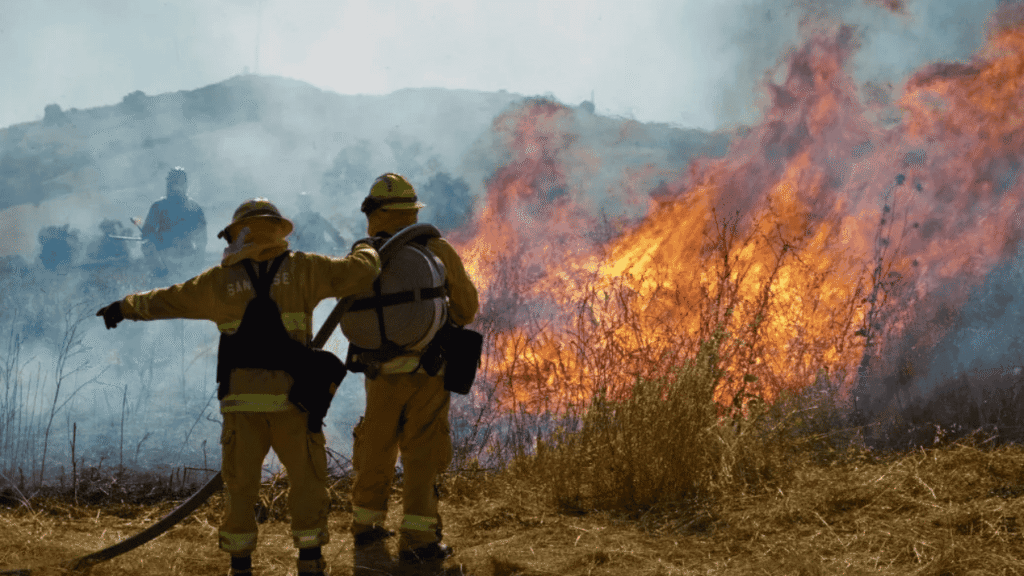
Fires are diverse in nature, and understanding the distinction between wildland and structural fires is critical for effective prevention, response, and safety planning. While both pose significant risks to life and property, they differ in behavior, causes, suppression strategies, and environmental impact. Recognizing these differences helps agencies, communities, and individuals prepare appropriately for each type of fire.
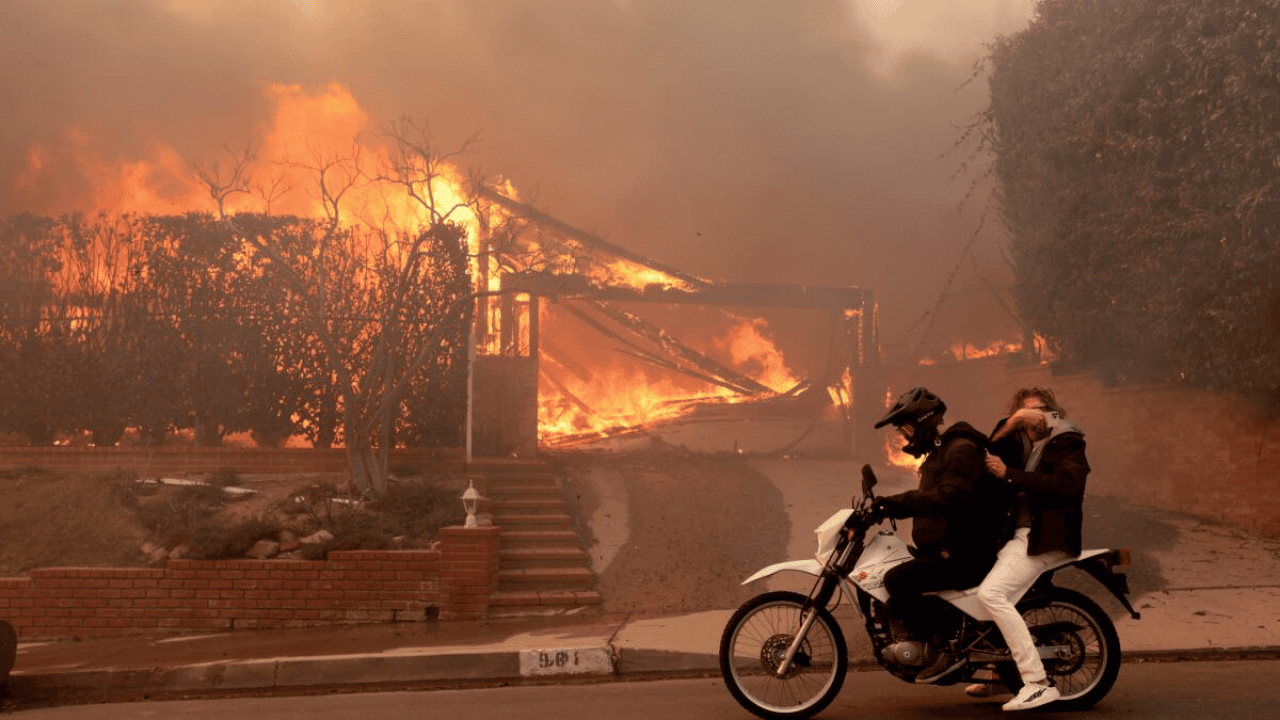
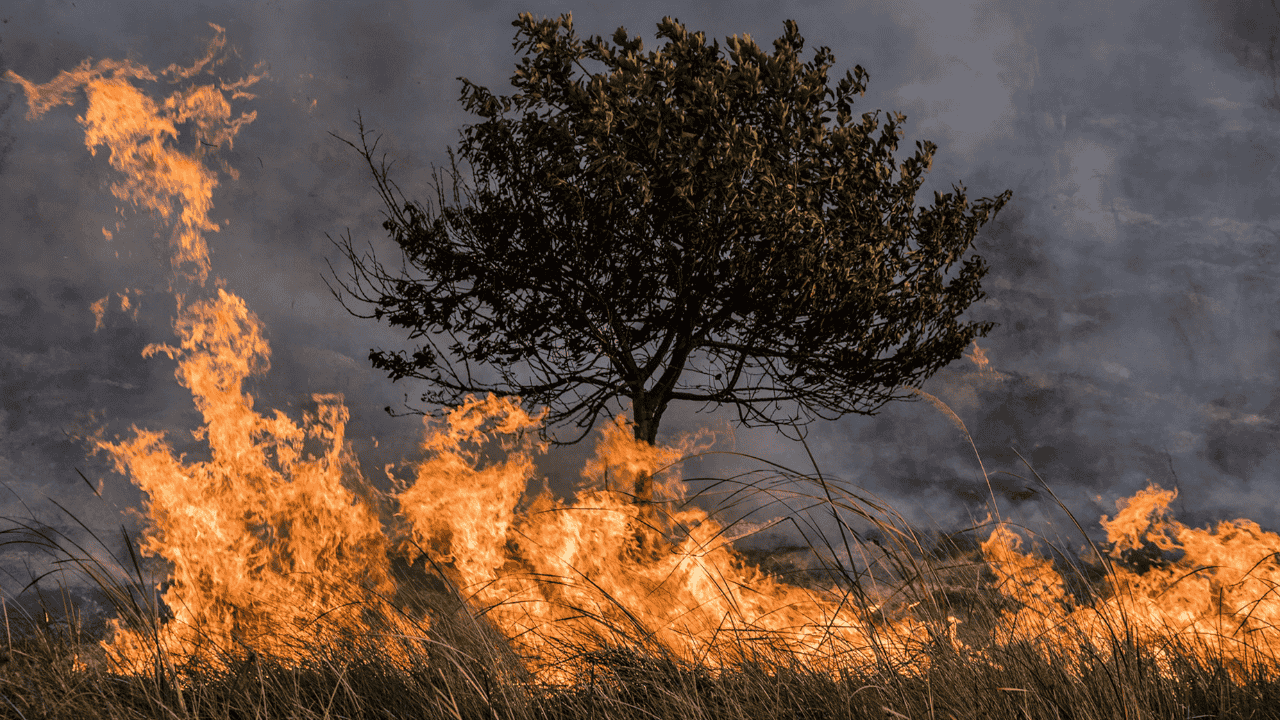
Wildland fires typically occur in forests, grasslands, and other natural landscapes, often fueled by vegetation and influenced by weather and topography. Structural fires occur in buildings or man-made structures, driven by electrical failures, human activity, or combustible materials within confined spaces.
Table of Contents
Wildland vs Structural Fires
| Aspect | Wildland Fires | Structural Fires |
|---|---|---|
| Location | Forests, grasslands, rural areas | Homes, offices, industrial buildings |
| Fuel Type | Vegetation, brush, trees | Wood, plastics, textiles, and electrical sources |
| Spread Rate | Can spread rapidly over large areas | Confined but intense; spreads via building materials |
| Suppression Tools | Aircraft, fire engines, hand crews, controlled burns | Fire hoses, sprinklers, extinguishers, and fire alarms |
| Predictability | Influenced by wind, terrain, and weather | More predictable; contained to structure layout |
| Environmental Impact | Significant ecosystem effects, soil erosion | Primarily localized property damage |
Causes and Triggers
Wildland fires are often caused by natural events like lightning, prolonged drought, or heat waves. Human activities such as unattended campfires, discarded cigarettes, or sparks from machinery also contribute significantly. Structural fires are primarily human-induced, resulting from electrical faults, cooking accidents, heating systems, or intentional arson.
The cause influences how agencies plan for risk. Wildland fires require landscape-scale prevention, whereas structural fires demand building codes, fire detection systems, and occupant safety protocols.
Fire Behavior
Wildland fires can expand rapidly, moving with the wind and topography across vast distances. Their intensity depends on fuel type, moisture content, and environmental conditions. Spot fires caused by wind-blown embers are common, creating multiple ignition points far from the original blaze.
Structural fires are typically confined to the building footprint but can escalate quickly due to flammable construction materials. Smoke and heat buildup, along with structural collapse risks, pose primary dangers to occupants and firefighters.
Suppression Strategies
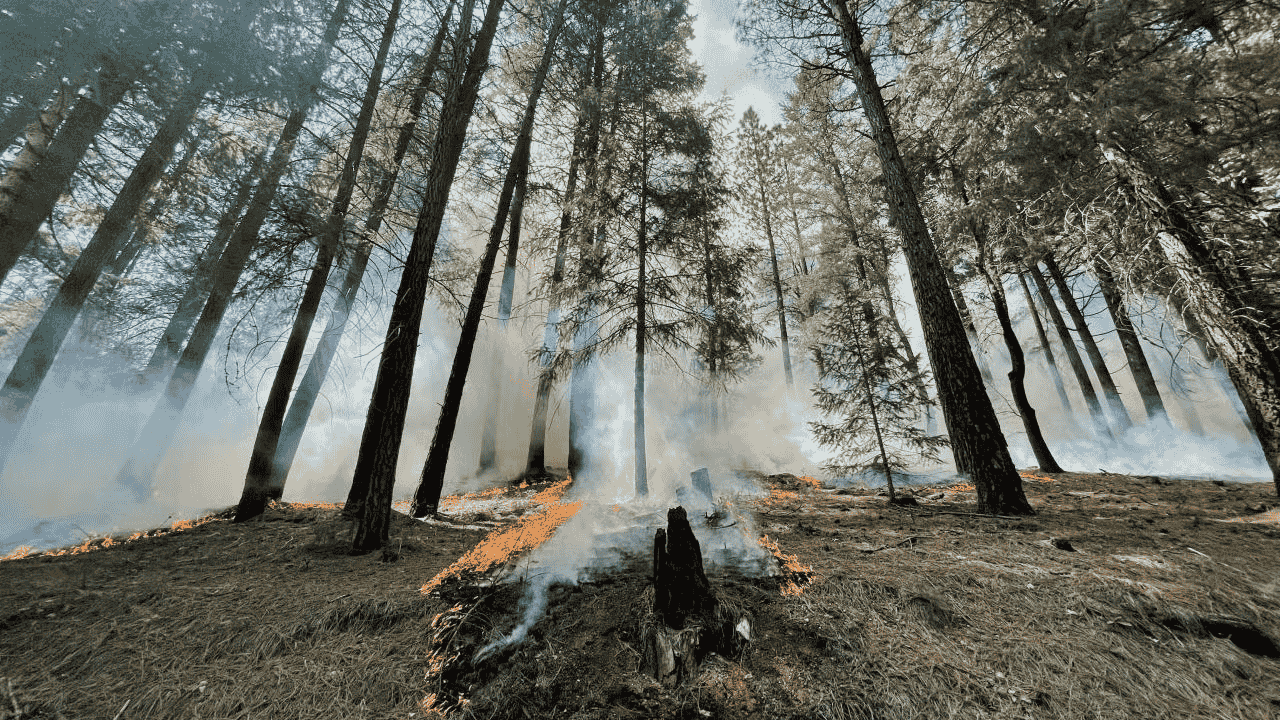
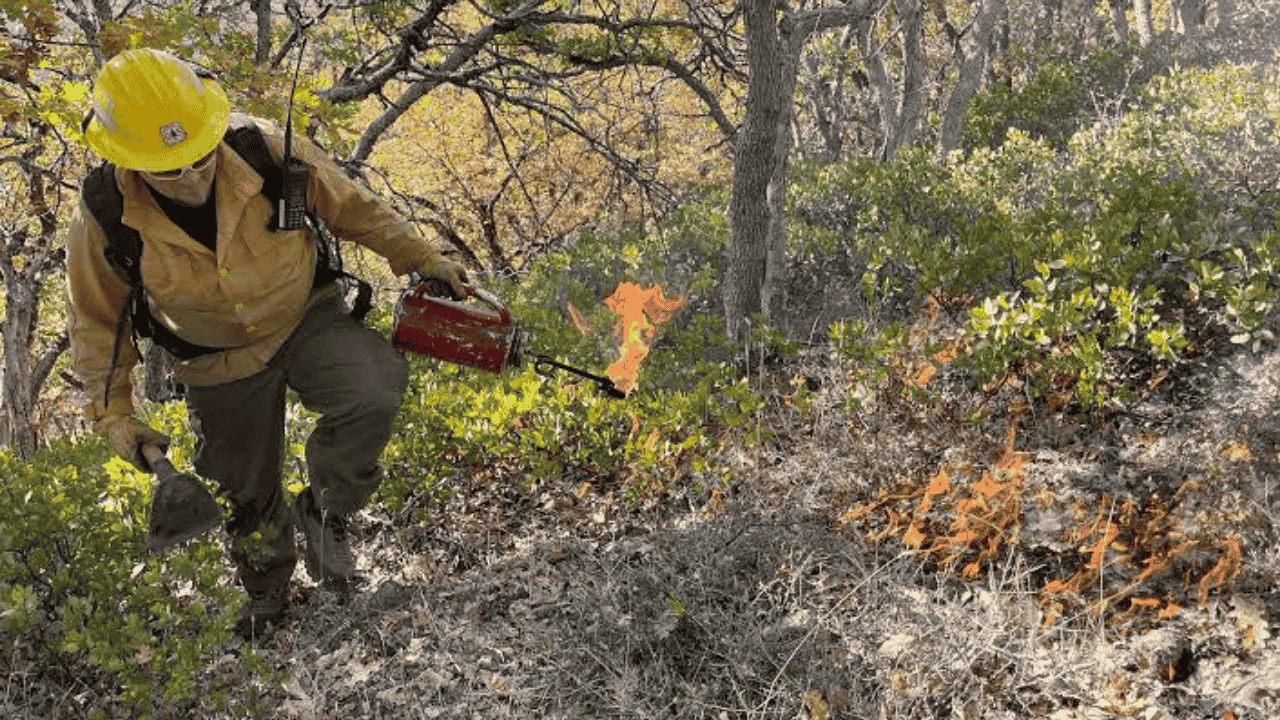
Wildland fire suppression focuses on controlling fire spread over large areas. Tools include fire engines, helicopters, bulldozers for fire lines, and controlled burns to remove fuel ahead of the blaze. Long-term strategies also emphasize fuel management and community defensible space.
Structural fire suppression is more localized and relies on rapid response, fire hoses, sprinkler systems, and fire alarms. Firefighters prioritize search and rescue, containment, and preventing the fire from spreading to adjacent structures. Evacuation protocols are critical due to confined and unpredictable smoke conditions.
Environmental Impact
Wildland fires affect soil, water quality, and ecosystems. Post-fire erosion, habitat loss, and air pollution are significant concerns. While these fires can have ecological benefits, such as nutrient recycling and habitat rejuvenation, extreme wildfires can cause long-term degradation.
Structural fires primarily result in property loss, potential hazardous material release, and indoor air quality issues. Their environmental impact is generally localized but can be severe if industrial chemicals or fuel sources are involved.
Preparedness and Prevention
Preventing wildland fires involves public education, land management, vegetation clearing, and building community defensible space. Monitoring weather and implementing early warning systems are also critical.
Structural fire prevention emphasizes building codes, smoke detectors, fire extinguishers, electrical safety, and emergency exit planning. Regular inspections and adherence to safety standards reduce risk and improve response outcomes.
Response Coordination
Wildland fires often require multi-agency coordination due to their scale. Federal, state, and local agencies may work together to allocate resources, manage airspace, and provide evacuation support.
Structural fires usually involve local fire departments but may escalate to regional assistance if multiple structures are threatened. Coordination focuses on containment, rescue, and protecting nearby infrastructure.
Economic Considerations
Wildland fires generate extensive costs, including suppression, property loss, infrastructure repair, and ecosystem recovery. The scale can affect entire regions and long-term economic activity.
Structural fires primarily involve property insurance, reconstruction, and business interruption costs. While often smaller in scale, they can devastate communities if multiple buildings are involved.
The Way Forward
Understanding the differences between wildland and structural fires is critical for effective management and mitigation. Strategies must be tailored to fuel types, fire behavior, and community vulnerability.
By combining prevention, early detection, and adaptive response, agencies can reduce damage, protect lives, and optimize resource use. Awareness of these distinctions empowers communities to prepare for the specific risks they face, whether in forests or urban neighborhoods.