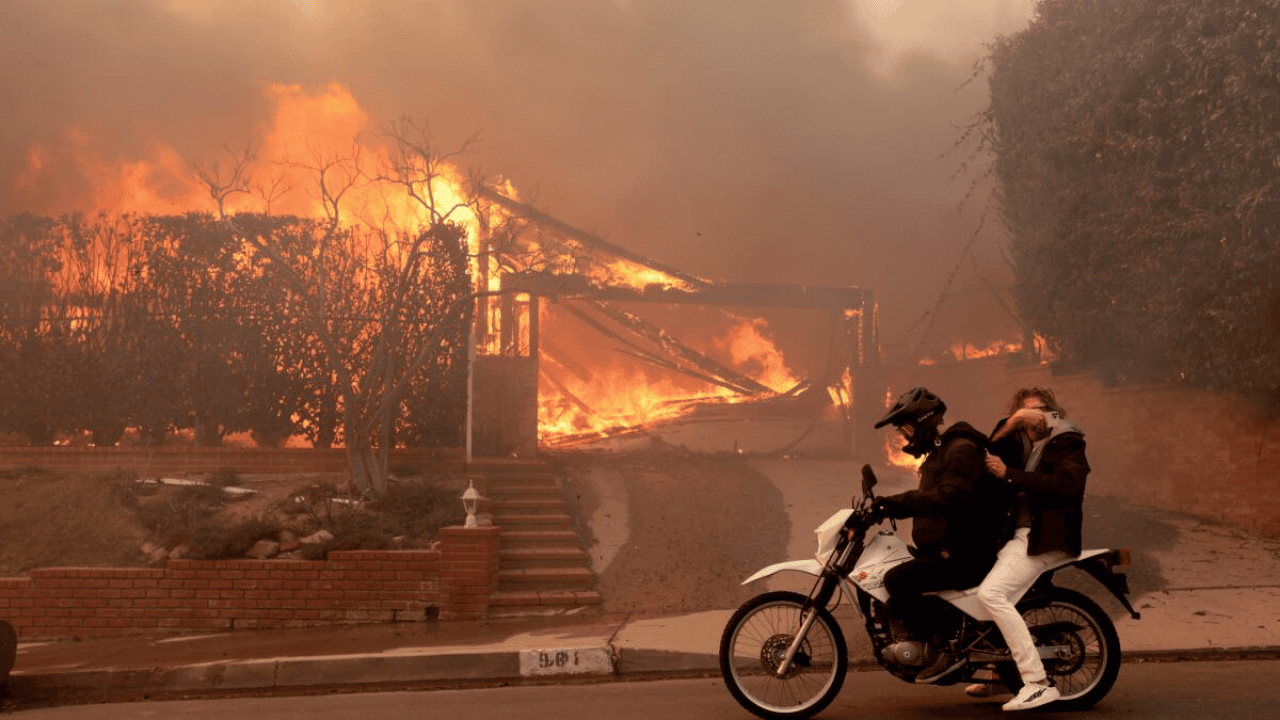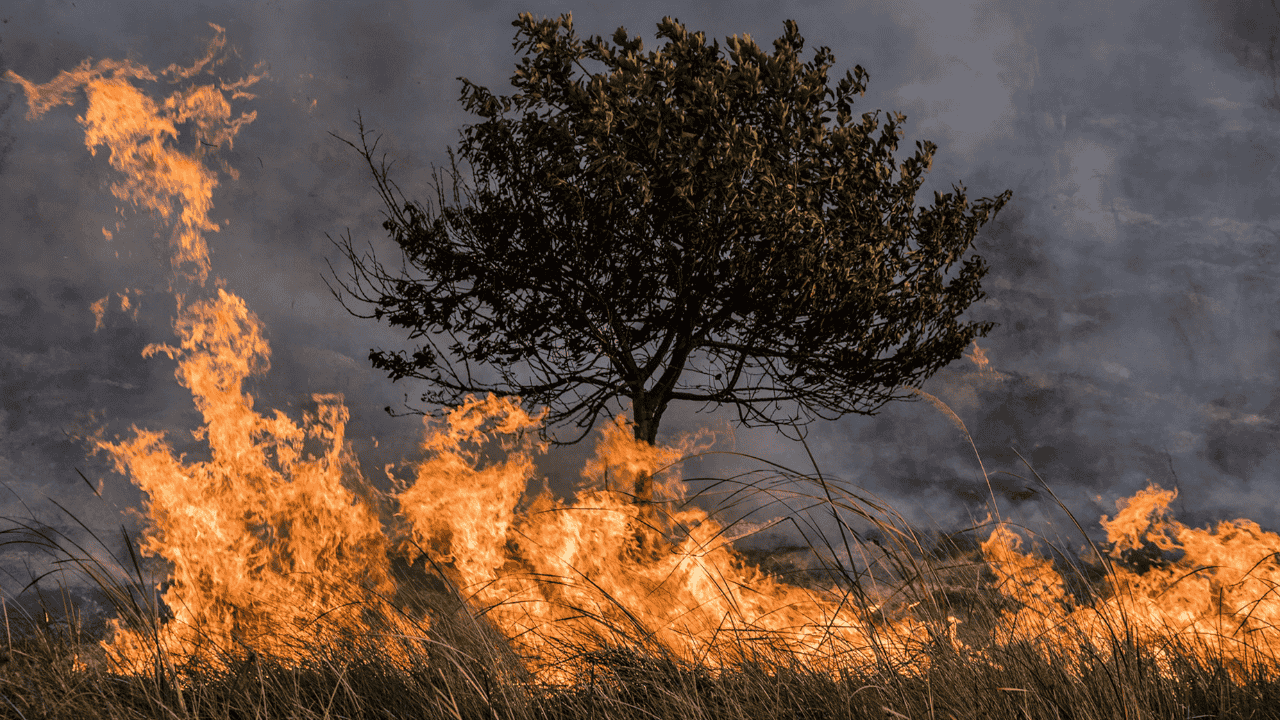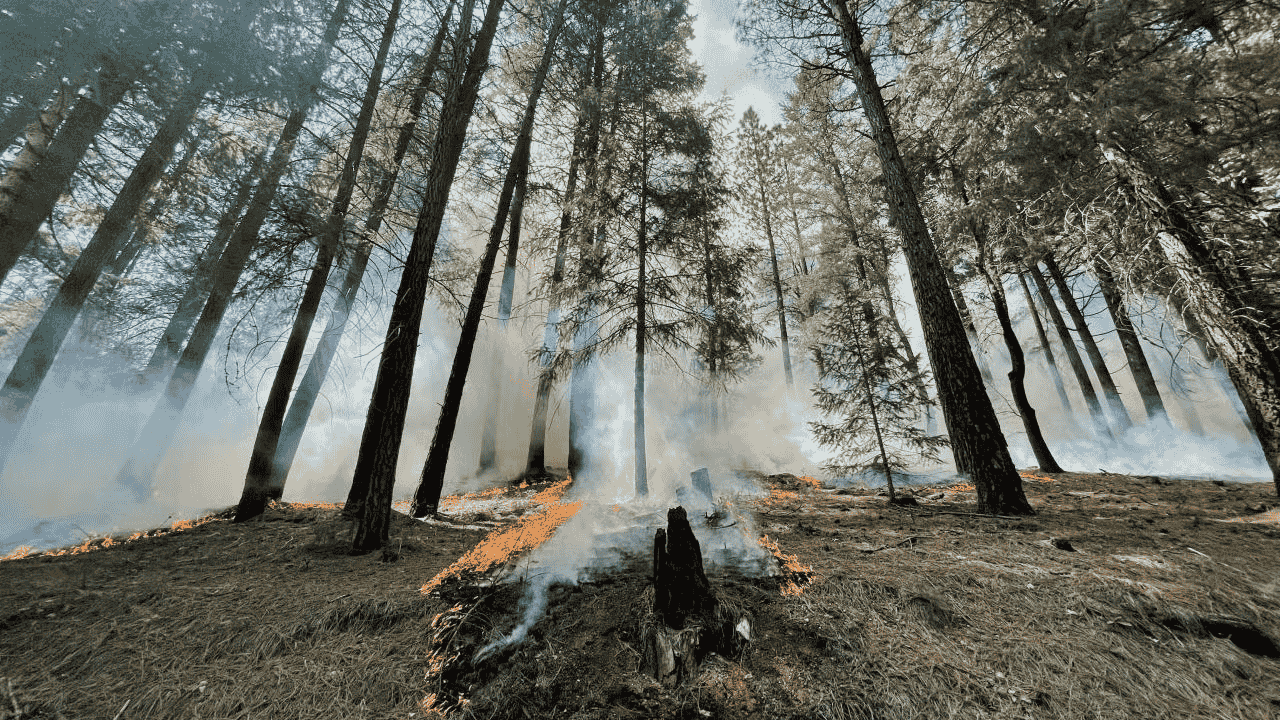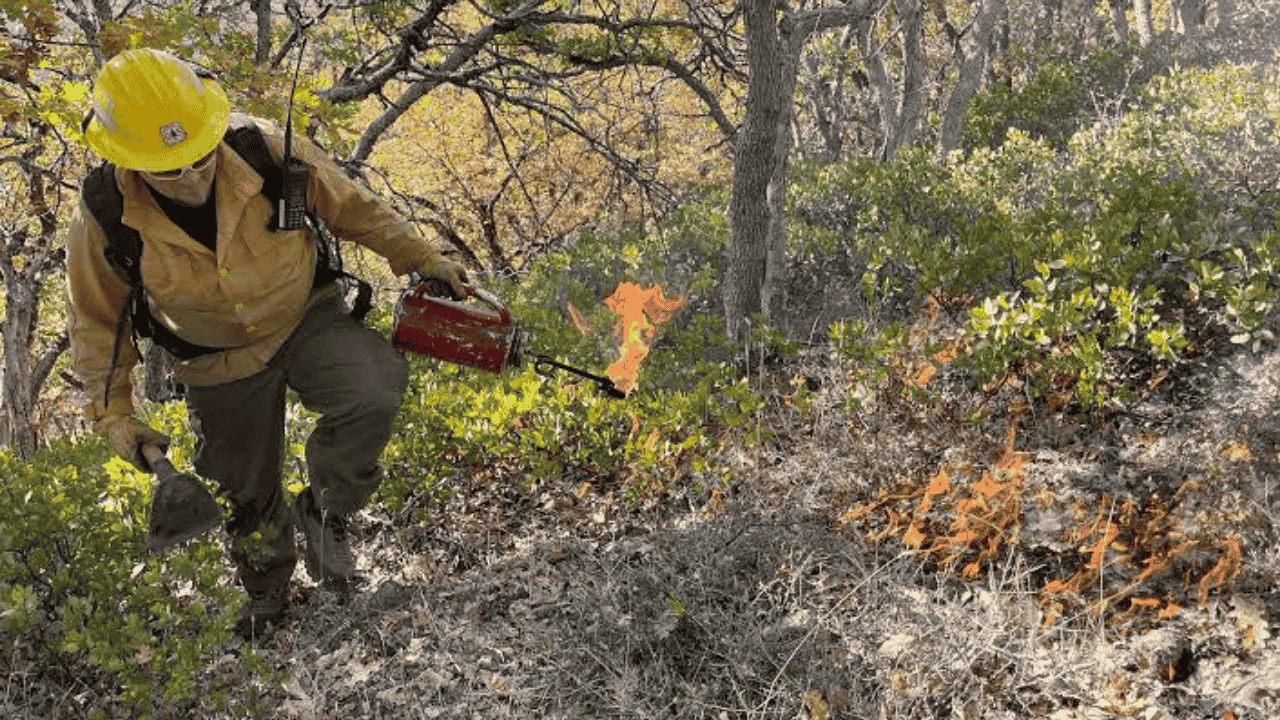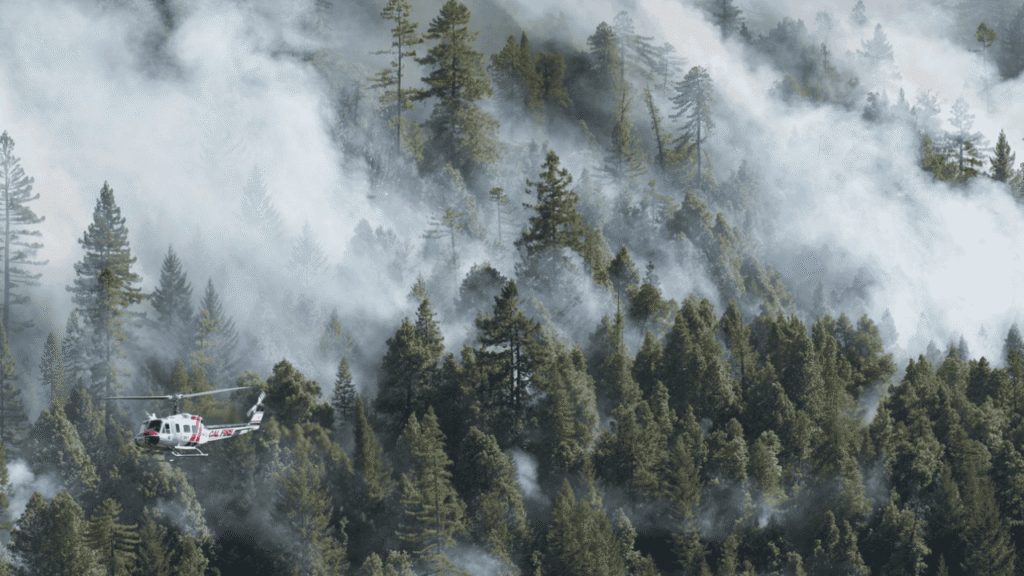
Wildfires have become an increasingly disruptive force for rural communities, where economic stability, livelihoods, and daily life are closely tied to land, natural resources, and local infrastructure. Unlike urban areas, rural regions often face limited emergency resources, dispersed populations, and economies that are highly sensitive to environmental shocks. When wildfires occur, their impacts extend far beyond burned acreage, reshaping social structures, economic activity, and long-term development prospects.
Understanding how wildfires affect rural communities and local economies is essential for designing recovery strategies that go beyond short-term relief and support lasting resilience.
Table of Contents
Impact Overview
| Impact Area | Rural Consequences |
|---|---|
| Economic Base | Disruption to agriculture, forestry, and tourism |
| Infrastructure | Damage to roads, utilities, and services |
| Employment | Job losses and income instability |
| Community Life | Displacement and social strain |
| Long-Term Outlook | Slower recovery and heightened vulnerability |
Economic Dependence
Rural economies often rely on a narrow range of industries such as farming, ranching, forestry, and outdoor recreation. Wildfires can directly damage crops, grazing land, timber resources, and recreational areas, leading to immediate income losses.
Because these sectors are seasonal and land-dependent, even short disruptions can result in long-term financial strain for households and local businesses. Recovery is often slower due to limited economic diversification.
Infrastructure Strain
- Damage to rural road networks and bridges
- Disruption of power, water, and communication systems
- Reduced access to emergency and medical services
- Increased maintenance costs for local governments
Infrastructure damage in rural areas can isolate communities for extended periods. Limited alternative routes and aging systems make repairs more complex, delaying economic recovery and access to essential services.
Employment Disruption
Wildfires frequently lead to temporary or permanent job losses in rural regions. Agricultural operations may shut down, forestry activities may pause, and tourism-dependent businesses often experience extended closures.
For communities with limited employment alternatives, these disruptions increase unemployment and reduce household income, intensifying financial insecurity and population outmigration.
Business Viability
Small, locally owned businesses form the backbone of rural economies. Wildfires can force closures due to property damage, supply chain interruptions, or reduced customer access.
Even businesses that survive physically may struggle with reduced demand, higher insurance costs, and limited access to recovery capital, threatening long-term viability.
Agricultural Losses
- Destruction of crops and livestock
- Loss of fencing, equipment, and storage facilities
- Soil degradation and reduced productivity
- Increased costs for feed and rehabilitation
Agriculture faces both immediate and delayed impacts. Soil damage, erosion, and water contamination can affect productivity for years, reducing farm income and increasing operational costs.
Population Displacement
Wildfires can displace residents for extended periods, particularly when housing is damaged or utilities are unavailable. In rural areas, temporary relocation often means leaving the community entirely due to limited local housing options.
Displacement weakens social networks, disrupts education and healthcare access, and reduces local economic activity during recovery periods.
Healthcare Access
Rural healthcare systems are often limited even under normal conditions. Wildfires strain these systems through increased demand, facility damage, and transportation challenges.
Reduced access to healthcare services affects workforce productivity and community well-being, compounding economic stress during recovery.
Tourism Decline
Many rural communities depend on tourism tied to natural landscapes. Wildfires can close parks, trails, and recreational facilities, discouraging visitors even after fires are contained.
Negative perceptions of safety and environmental damage can suppress tourism revenue long after physical recovery begins.
Local Government Burden
- Increased emergency response and recovery costs
- Reduced tax revenue due to economic slowdown
- Strain on the limited administrative capacity
- Long-term financial planning challenges
Rural governments often operate with tight budgets. Wildfire-related expenses can overwhelm local finances, limiting the ability to invest in recovery and resilience initiatives.
Social Resilience
Despite these challenges, rural communities often demonstrate strong social cohesion. Informal support networks, volunteerism, and local leadership play critical roles in recovery.
Community-driven efforts can accelerate rebuilding, support vulnerable residents, and restore local confidence, contributing to economic stabilization.
Adaptation Opportunities
Wildfire recovery also presents opportunities for adaptation. Diversifying local economies, upgrading infrastructure, and integrating fire-resilient practices can reduce future vulnerability.
Strategic planning that links economic development with wildfire resilience helps rural communities rebuild stronger rather than simply restoring previous conditions.
Long-Term Effects
The cumulative impact of repeated wildfires can reshape rural economies over time. Persistent risk may deter investment, influence land use decisions, and alter population trends.
Addressing these long-term effects requires coordinated planning that considers economic sustainability alongside wildfire management.
The Way Forward
Wildfires affect rural communities far beyond the burn zone, disrupting local economies, livelihoods, and social systems. Limited resources, economic dependence on land-based industries, and infrastructure constraints amplify these impacts, making recovery especially challenging.
By recognizing the unique vulnerabilities of rural areas and integrating economic resilience into wildfire planning, communities can better withstand future fires and secure a more stable path forward.