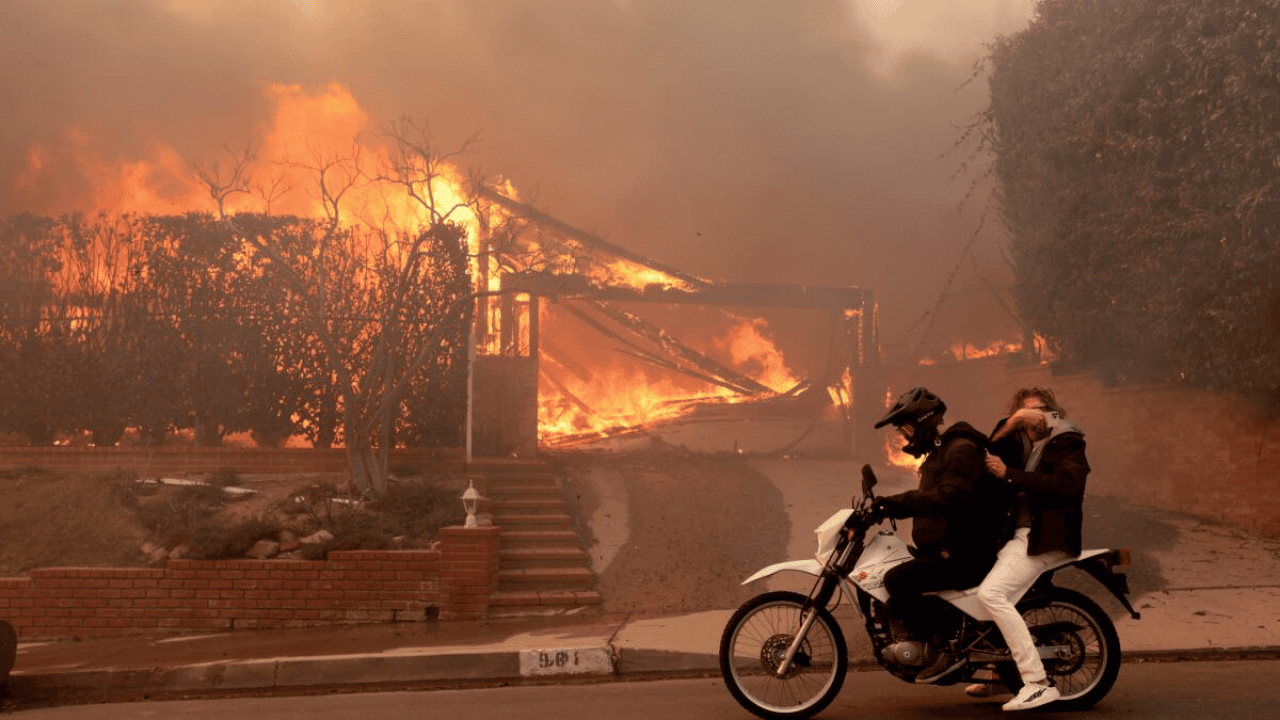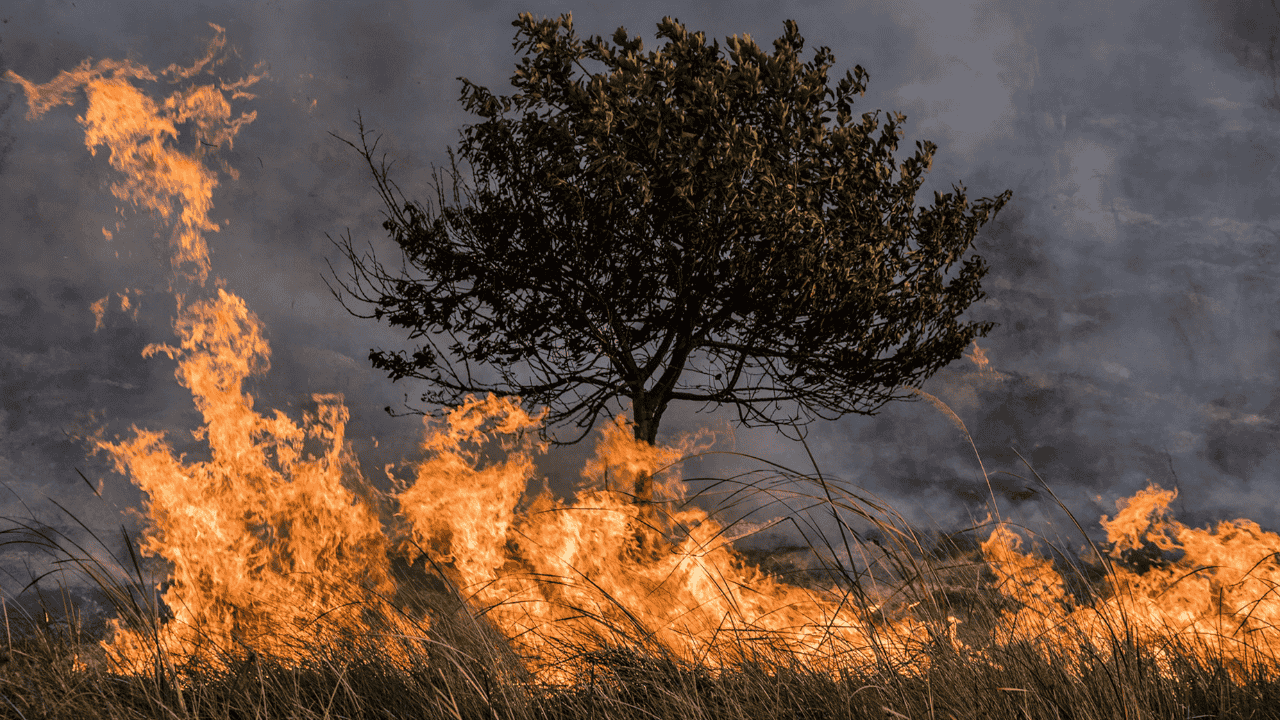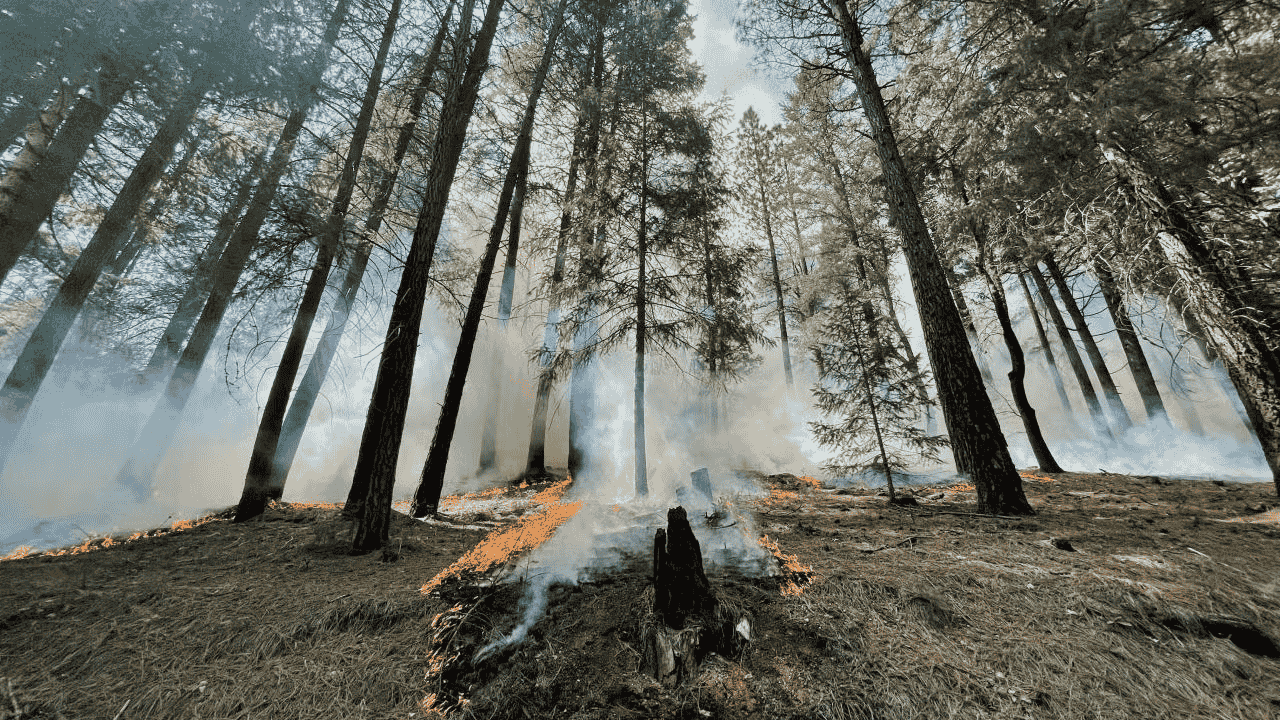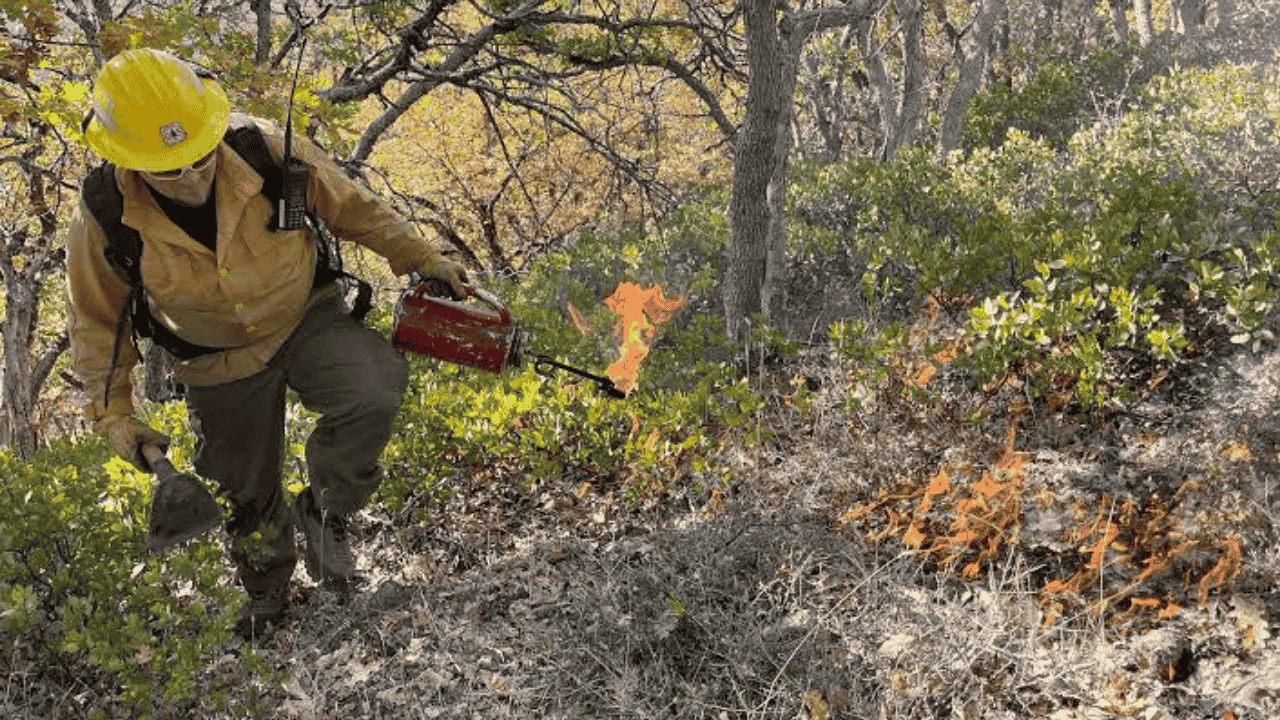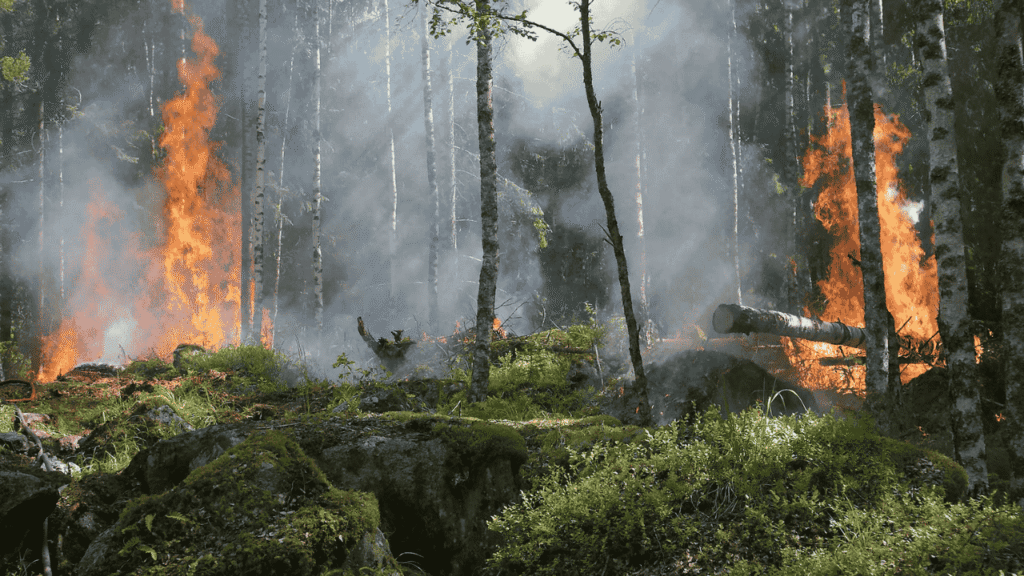
Local governments play a defining role in how wildfire risk is managed on the ground. While the National Cohesive Fire Strategy sets a broad national vision, its success ultimately depends on local implementation, planning decisions, and community engagement. Counties, cities, and municipalities are uniquely positioned to translate national goals into practical actions that protect residents, infrastructure, and landscapes.
Aligning local efforts with the National Cohesive Fire Strategy allows governments to strengthen preparedness, access coordinated resources, and ensure that wildfire management is consistent, effective, and community-centered.
Table of Contents
Alignment Overview
| Alignment Area | Local Government Role |
|---|---|
| Strategic Planning | Integrate cohesive goals into local plans |
| Risk Reduction | Implement mitigation at community level |
| Community Safety | Support preparedness and adaptation |
| Interagency Work | Coordinate with regional partners |
| Long-Term Impact | Reduced wildfire losses and faster recovery |
Strategic Integration
Local governments can begin alignment by embedding the principles of the National Cohesive Fire Strategy into comprehensive plans, hazard mitigation plans, and emergency operations frameworks. This integration ensures that wildfire risk is considered in land use, infrastructure development, and public safety planning.
When wildfire considerations are woven into everyday governance, decisions made today contribute to long-term resilience rather than short-term fixes.
Risk Assessment
- Mapping local wildfire hazards and exposure areas
- Identifying vulnerable populations and critical facilities
- Using historical fire data to inform priorities
- Updating assessments as conditions change
Accurate risk assessment helps local governments focus resources where they are needed most. Aligning assessments with national strategy principles ensures consistency and improves coordination with regional and federal partners.
Community Adaptation
Fire-adapted communities are a central goal of the National Cohesive Fire Strategy. Local governments support adaptation by encouraging defensible space, promoting fire-resistant construction, and guiding safe development practices.
Through ordinances, incentives, and education, municipalities can help residents reduce risk while maintaining livable, vibrant neighborhoods.
Land Management
Local governments often manage parks, open spaces, and community-owned lands. Coordinating vegetation management on these lands supports broader landscape resilience goals.
Strategic fuel reduction, maintenance of access routes, and collaboration with neighboring land managers reduce the likelihood that fires will spread rapidly into populated areas.
Emergency Preparedness
- Maintaining clear evacuation routes and signage
- Coordinating shelter locations and emergency services
- Establishing local communication protocols
- Conducting regular drills and exercises
Preparedness efforts aligned with national strategy goals ensure that local response actions complement regional and federal operations during wildfire incidents.
Interagency Coordination
Wildfires cross jurisdictional boundaries, making coordination essential. Local governments serve as connectors between residents, fire agencies, utilities, and neighboring jurisdictions.
Strong coordination improves information sharing, aligns response priorities, and reduces confusion during fast-moving wildfire events.
Public Engagement
Local governments are trusted messengers within communities. Engaging residents through meetings, workshops, and outreach campaigns builds awareness and encourages shared responsibility.
Informed residents are more likely to support mitigation efforts, comply with evacuation orders, and participate in long-term resilience initiatives.
Funding Alignment
- Prioritizing projects that reduce long-term wildfire risk
- Coordinating funding requests with regional partners
- Supporting equitable access to mitigation resources
- Tracking outcomes to demonstrate effectiveness
Aligning funding decisions with the National Cohesive Fire Strategy ensures that investments contribute to sustained risk reduction rather than temporary relief.
Data Coordination
Using shared data standards and compatible systems allows local governments to exchange information efficiently with other agencies. This coordination supports planning, response, and recovery activities.
Reliable data improves decision-making and strengthens accountability across all levels of wildfire management.
Training Support
Local officials, planners, and emergency staff benefit from training aligned with national wildfire management principles. Joint exercises and professional development improve readiness and familiarity with coordinated response structures.
Training also builds relationships that prove critical during real wildfire incidents.
Recovery Planning
Alignment extends beyond response into recovery. Local governments guide rebuilding decisions, infrastructure repair, and land use adjustments after fires.
Recovery planning aligned with the cohesive strategy helps communities rebuild safer, reduce future exposure, and strengthen resilience over time.
Performance Review
Regular evaluation of wildfire-related policies and programs helps local governments measure progress and identify gaps. Reviewing outcomes against cohesive strategy goals supports continuous improvement.
Adaptive governance ensures that wildfire planning evolves alongside changing risk conditions.
Parting Insights
Local governments are the frontline partners of the National Cohesive Fire Strategy. By integrating national goals into local planning, engaging communities, coordinating across agencies, and prioritizing resilience-focused investments, municipalities can turn strategic vision into meaningful action.
Alignment strengthens preparedness, improves response, and supports safer recovery—ensuring that communities are not only protected from today’s wildfires but better prepared for the challenges of tomorrow.