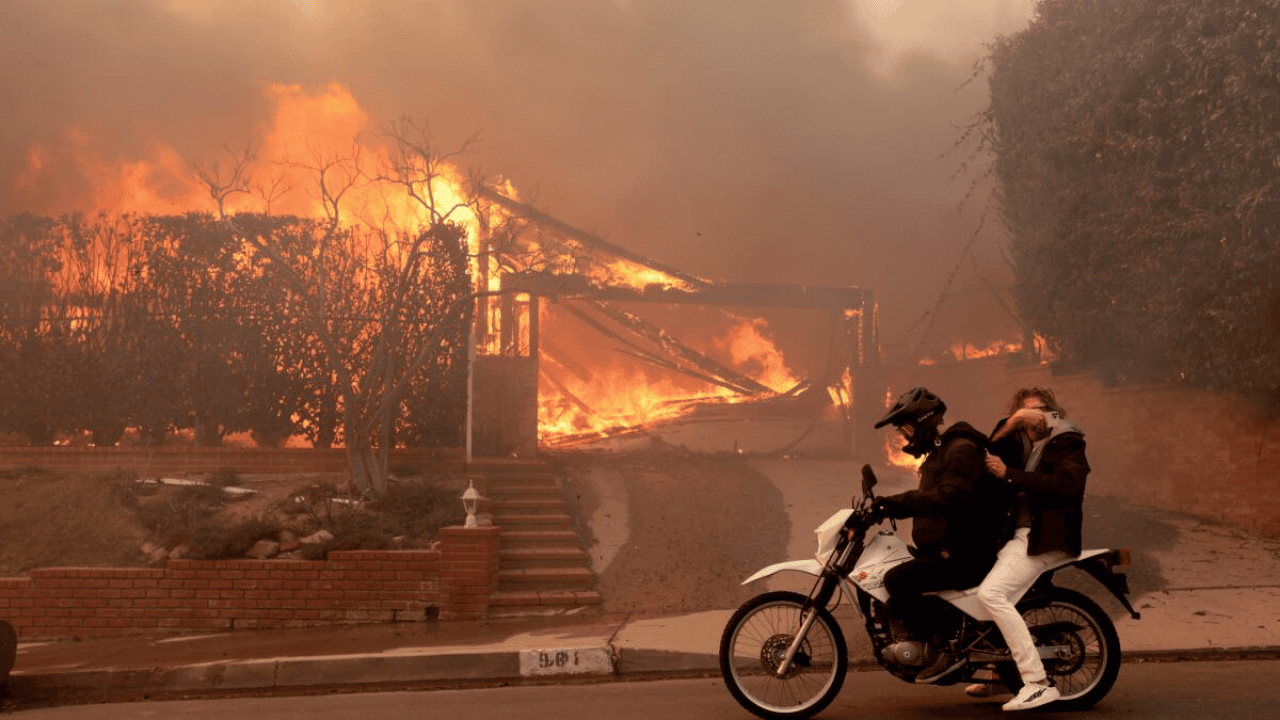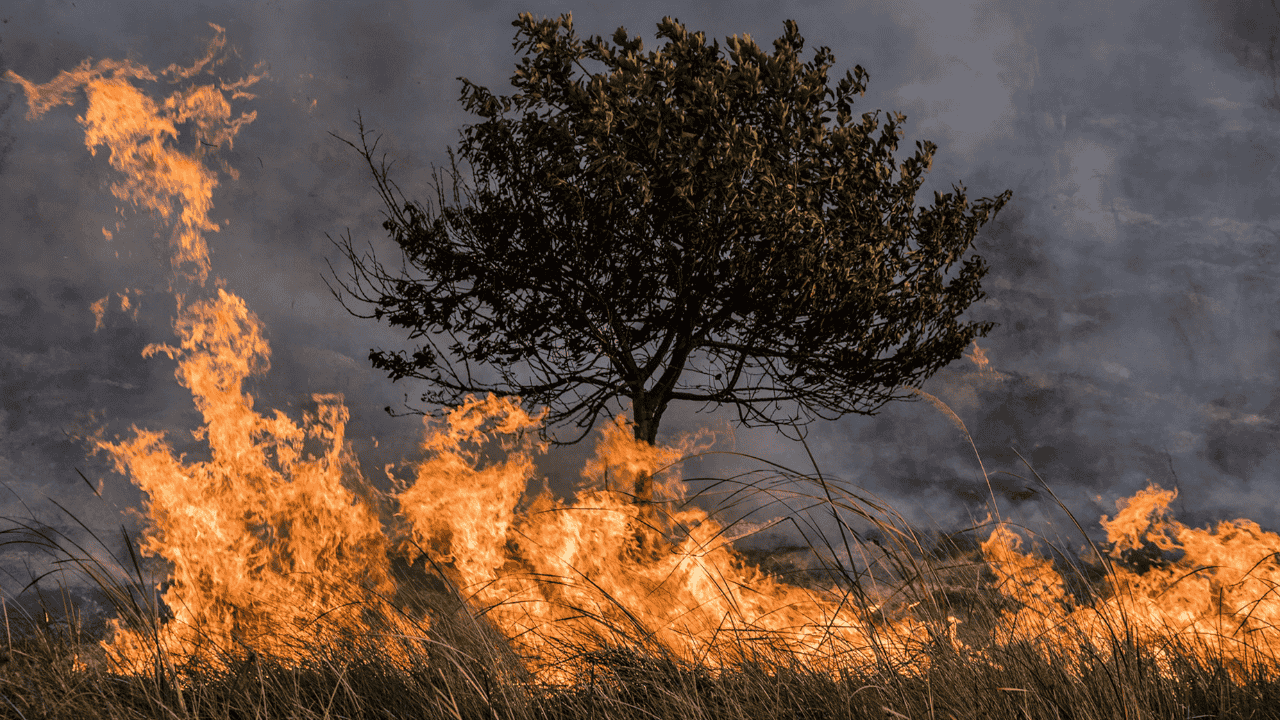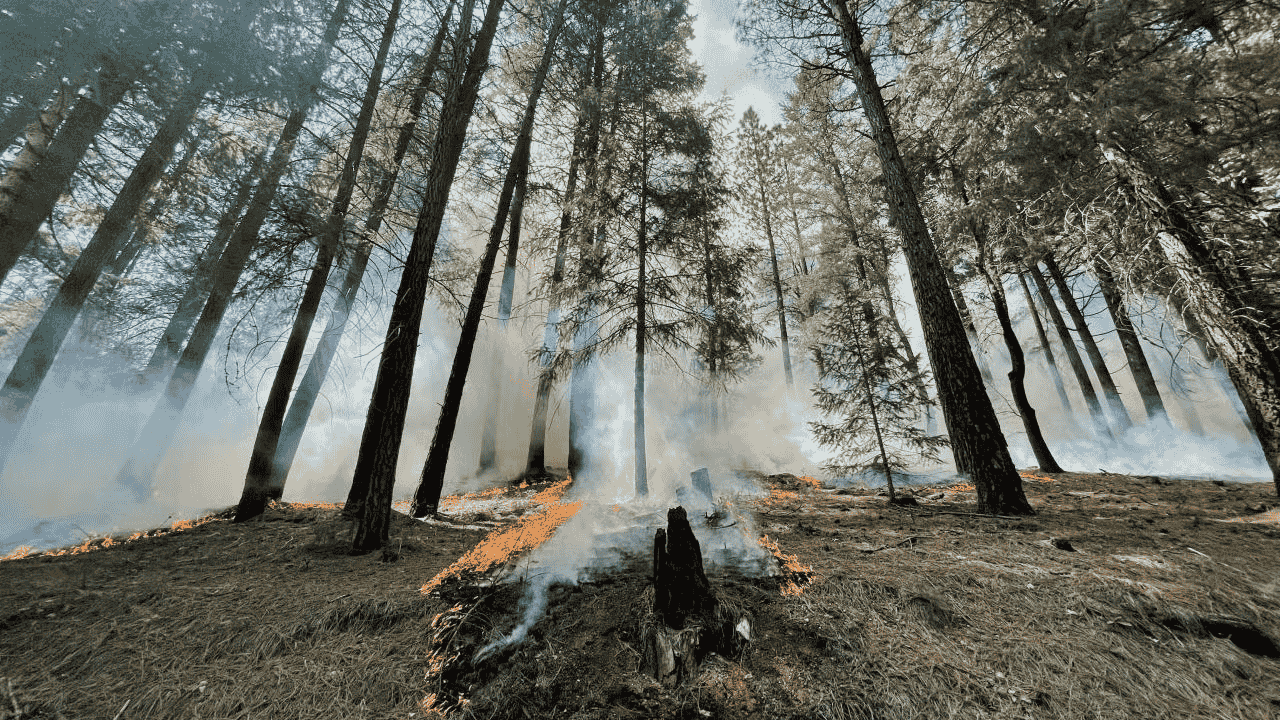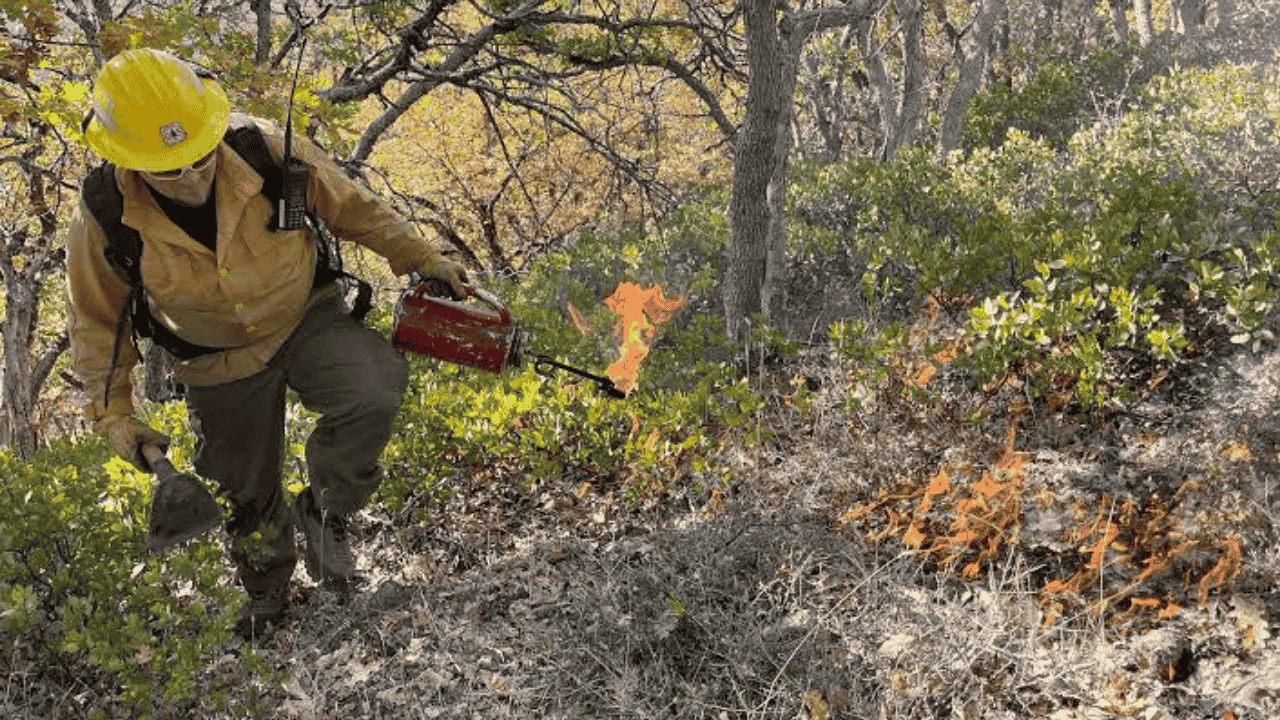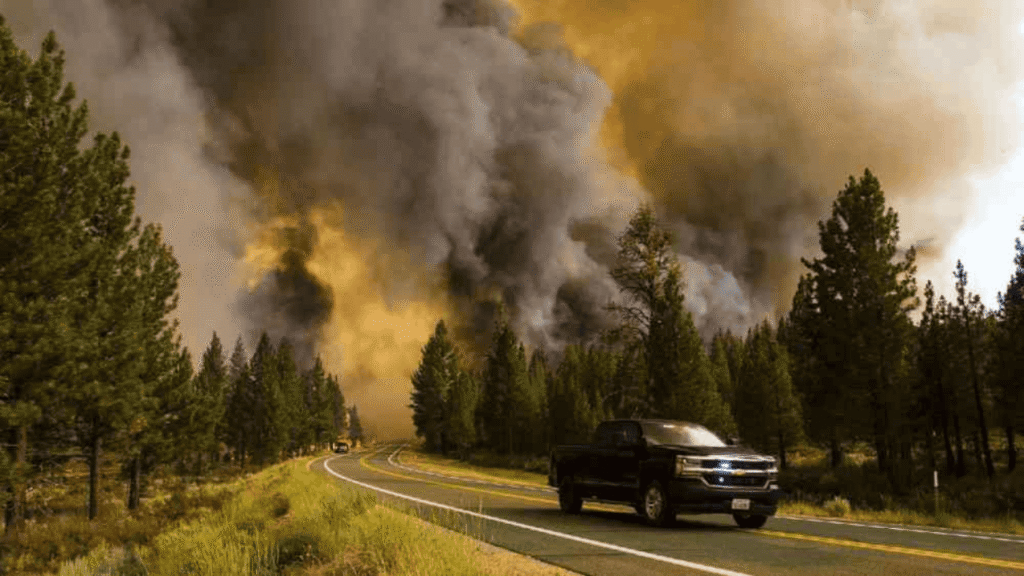
Wildland fire management is undergoing a major transformation as technology reshapes how fires are detected, monitored, and suppressed. With fire seasons growing longer and more intense, traditional methods alone are no longer sufficient. Advanced technologies now enable faster detection, improved situational awareness, and more coordinated response efforts, helping agencies protect communities, infrastructure, and natural ecosystems more effectively than ever before.
By integrating data-driven tools with operational decision-making, modern fire management is shifting from reactive suppression toward proactive, intelligence-led response.
Table of Contents
Operational Overview
| Focus Area | Technological Contribution |
|---|---|
| Detection | Early fire identification and alerts |
| Monitoring | Real-time fire behavior tracking |
| Response | Coordinated deployment of resources |
| Decision Support | Predictive modeling and analytics |
| Outcome | Faster containment and improved safety |
Early Detection
Rapid detection is one of the most significant advances in wildfire management. Technology now enables fires to be identified within minutes rather than hours, reducing the chance of small ignitions becoming large-scale disasters.
Early detection systems combine sensors, automated cameras, and data analysis to flag potential fire activity. Faster identification allows agencies to mobilize resources quickly, improving containment success and minimizing damage to surrounding areas.
Satellite Intelligence
- Continuous monitoring of vast and remote landscapes
- Thermal detection of heat signatures invisible to the human eye
- Frequent data updates for evolving fire conditions
- Improved visibility during night and low-visibility conditions
Satellite-based tools provide a broad, reliable view of fire activity, especially in hard-to-access regions. These systems help fire managers understand fire spread patterns and prioritize response efforts based on real-time conditions.
Aerial Systems
Unmanned aerial systems have become invaluable for wildfire response. Drones equipped with thermal cameras can fly over active fires, mapping hot spots and identifying risks without exposing crews to danger.
Aerial systems support tactical decisions by delivering detailed imagery of fire lines, terrain challenges, and infrastructure threats. This technology enhances situational awareness while improving firefighter safety.
Predictive Modeling
Modern fire behavior models use weather forecasts, fuel data, and topography to anticipate how fires may spread. These predictive tools allow planners to test response scenarios before conditions escalate.
By forecasting fire movement, agencies can pre-position resources, plan evacuations, and protect critical infrastructure more effectively. Predictive modeling shifts wildfire response from reactive to anticipatory decision-making.
Communication Platforms
- Integrated command systems connecting multiple agencies
- Real-time data sharing across response teams
- Digital mapping for coordinated operations
- Secure channels for emergency communication
Advanced communication platforms ensure that all responders operate with the same information. Consistent data sharing reduces confusion, supports unified command, and strengthens coordination during complex wildfire incidents.
Artificial Intelligence
Artificial intelligence enhances detection accuracy by analyzing patterns across large data sets. AI-driven systems can differentiate between real fires and false alarms, such as heat from vehicles or industrial activity.
Machine learning tools also help identify high-risk zones, enabling agencies to focus prevention and mitigation efforts where they are needed most.
Infrastructure Monitoring
Technology now plays a vital role in protecting critical infrastructure during wildfires. Sensors and monitoring systems track conditions near power lines, transportation corridors, and communication networks.
By identifying vulnerabilities early, agencies can take preventive action, reduce service disruptions, and ensure that emergency operations remain functional during fire events.
Responder Safety
Wearable technology and tracking systems improve firefighter safety by monitoring location, movement, and environmental conditions. These tools help incident commanders maintain accountability and respond quickly if crews encounter hazardous situations.
Enhanced safety technology reduces risk while allowing responders to operate more effectively in dangerous fire environments.
Public Alerting
- Automated emergency alerts to residents
- Location-based evacuation notifications
- Real-time updates through digital platforms
- Improved accessibility for diverse populations
Public-facing technology ensures that communities receive timely, accurate information during wildfire events. Clear alerts support orderly evacuations and reduce panic, improving overall public safety outcomes.
Training Innovation
Technology has transformed how wildfire responders train and prepare. Virtual simulations and data-driven exercises allow agencies to rehearse complex fire scenarios in realistic environments.
These training innovations improve readiness, enhance coordination, and help responders adapt quickly when real fires occur.
Data Integration
One of the greatest strengths of modern wildfire technology is integration. When detection systems, predictive models, communication platforms, and response tools work together, agencies gain a comprehensive operational picture.
Integrated systems reduce delays, improve decision quality, and ensure that resources are deployed efficiently during rapidly evolving fire incidents.
Final Reflections
Technology is redefining wildland fire detection and response by enabling faster action, smarter decisions, and safer operations. From early detection and predictive modeling to coordinated communication and responder safety tools, innovation is strengthening every phase of wildfire management.
As fire risks continue to grow, embracing advanced technology is no longer optional—it is essential. Integrated, technology-driven approaches ensure that agencies can protect lives, infrastructure, and landscapes more effectively, building resilience in an increasingly fire-prone future.