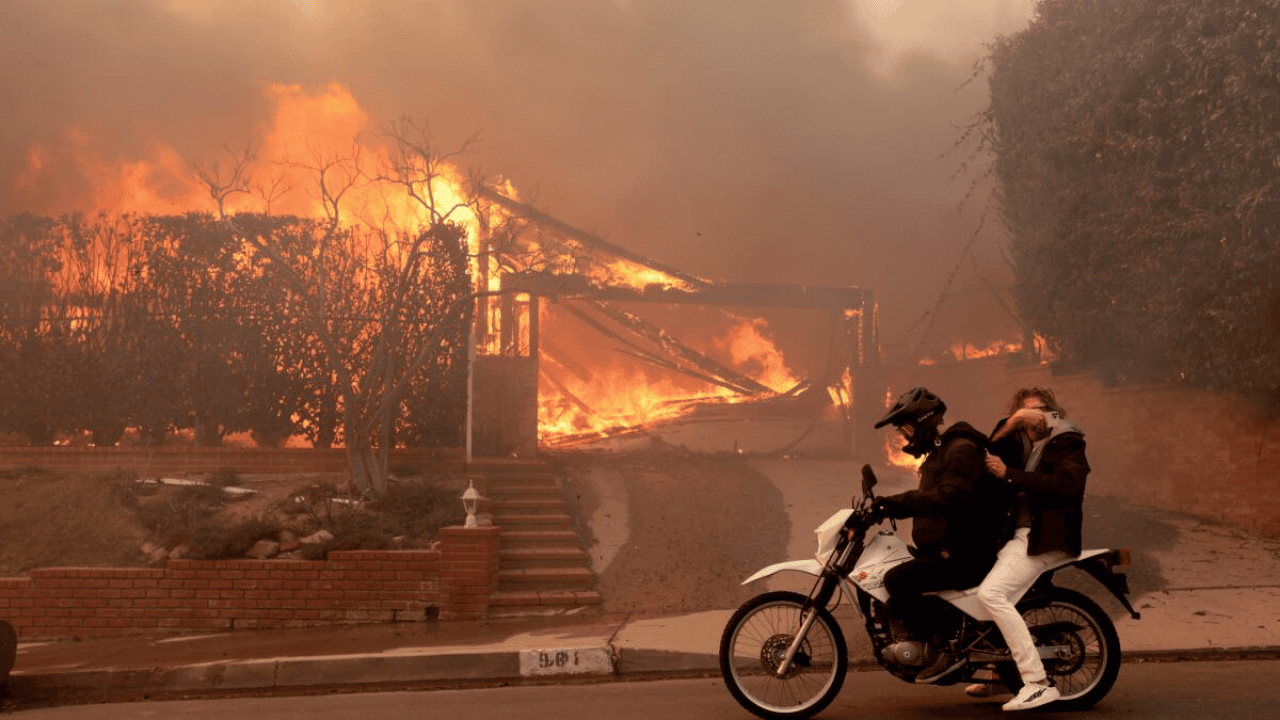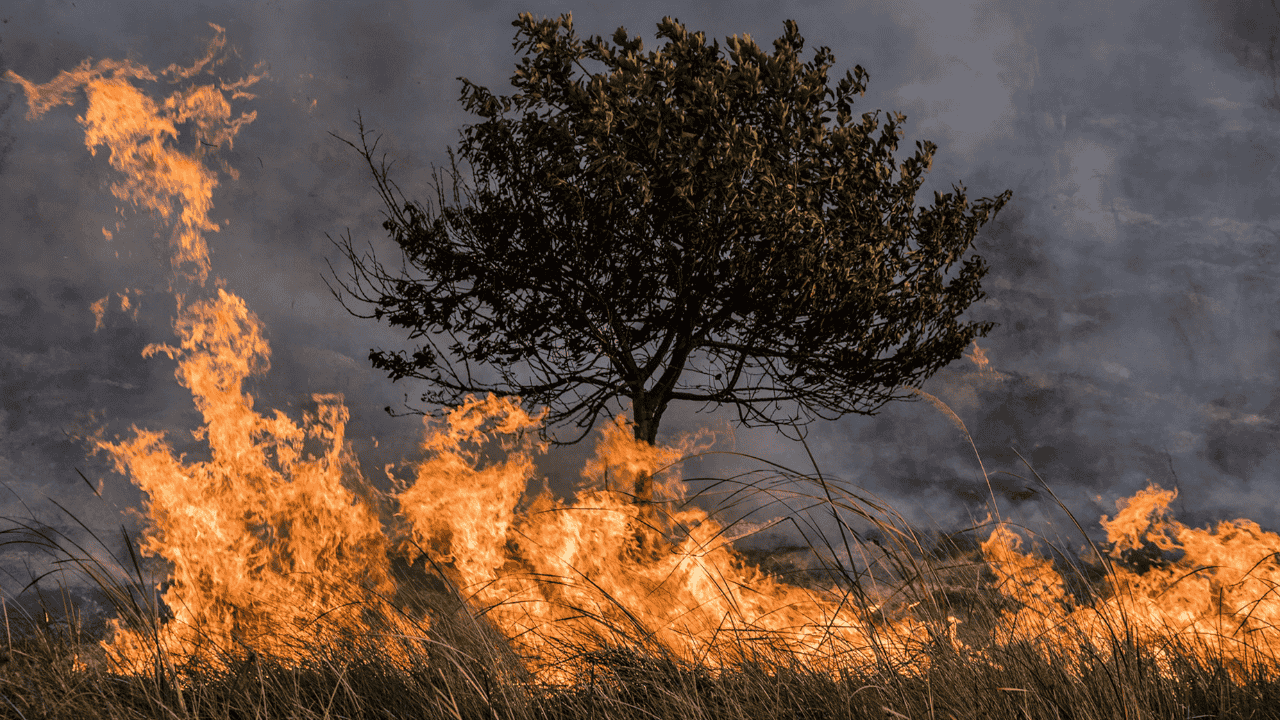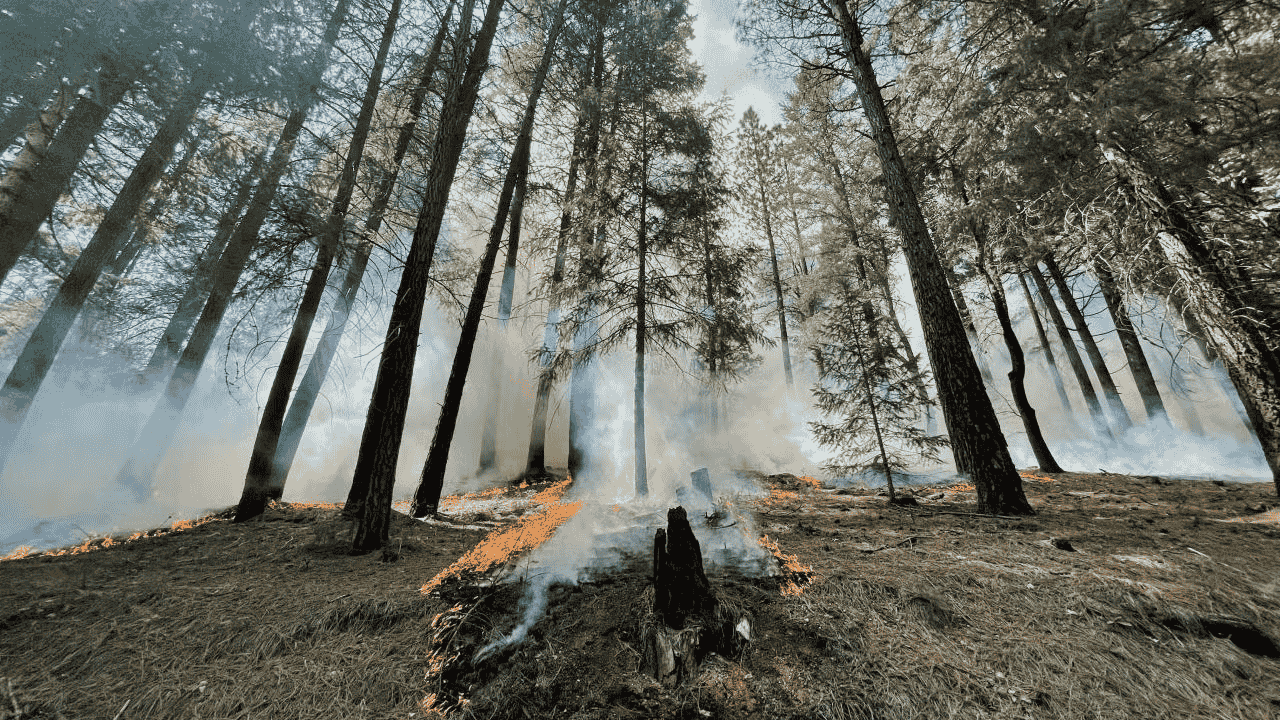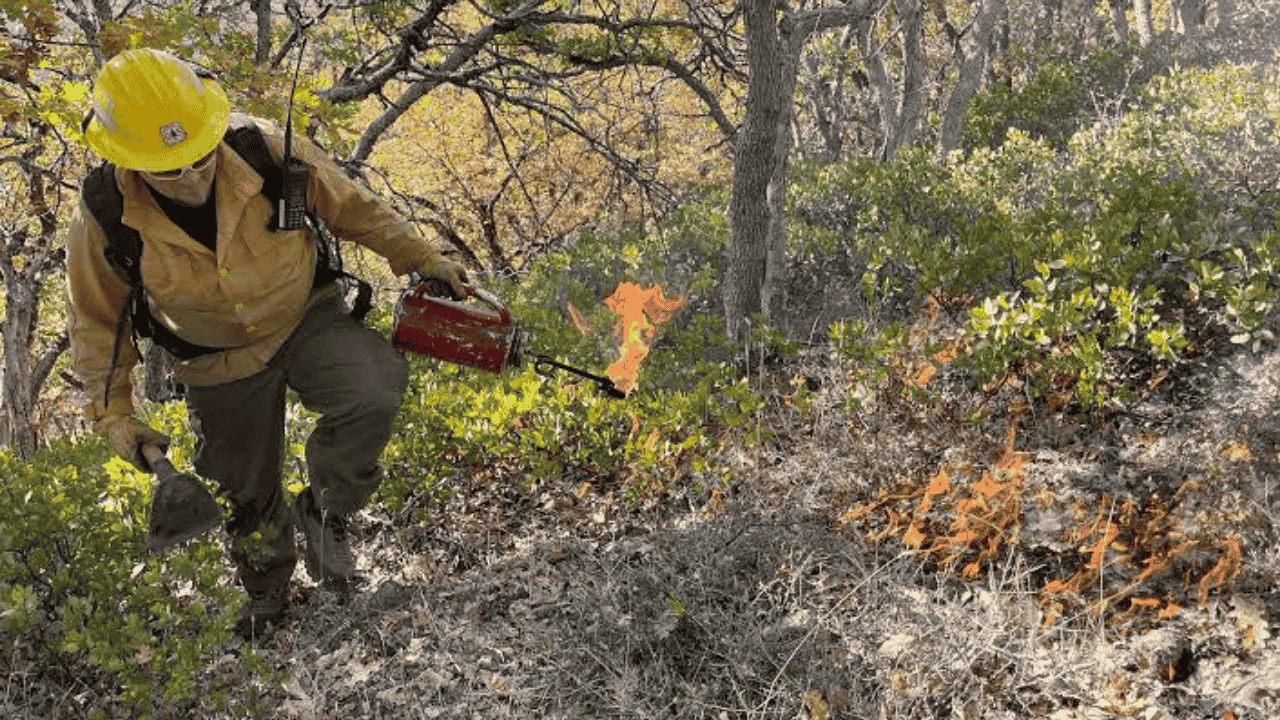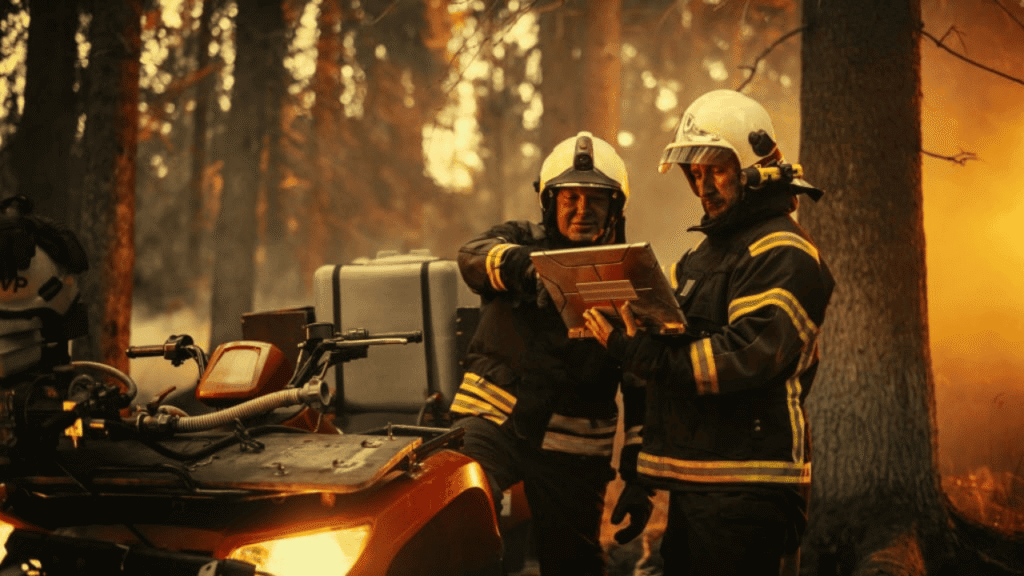
Wildland firefighting has entered a new era where safety, efficiency, and adaptability are central priorities. As fire behavior becomes more extreme and unpredictable, protecting firefighters on the front lines requires continuous innovation in both safety practices and specialized equipment. Modern advancements now focus on reducing physical risk, improving situational awareness, and supporting firefighter endurance in high-risk environments.
Innovations in firefighter safety and wildland fire equipment are reshaping how crews prepare for, respond to, and recover from wildfire incidents. These developments not only enhance operational effectiveness but also play a vital role in safeguarding lives during increasingly complex fire seasons.
Table of Contents
Key Areas of Innovation in Firefighter Safety
| Innovation Area | Primary Safety Benefit |
|---|---|
| Protective Gear | Reduces heat stress and burn injuries |
| Situational Tools | Improves awareness of fire behavior |
| Communication Systems | Enhances coordination and alerts |
| Equipment Design | Lowers physical strain and fatigue |
| Health Monitoring | Detects early signs of exhaustion |
Protective Gear
Advances in protective clothing have significantly improved firefighter safety in wildland environments. Modern fire-resistant fabrics are lighter, more breathable, and better at managing extreme heat exposure. These improvements help reduce heat stress while maintaining high levels of flame and ember protection.
Ergonomic design has also become a priority, allowing firefighters to move more freely across rough terrain. Enhanced helmets, gloves, and footwear now offer better impact protection and comfort. Together, these innovations reduce injury risk while supporting long operational periods.
Situational Awareness
Improved situational awareness tools are transforming how firefighters understand and respond to rapidly changing fire conditions. Portable mapping devices, real-time fire behavior models, and environmental sensors provide crews with critical information on fire spread, wind shifts, and terrain challenges.
Access to timely and accurate data allows firefighters to anticipate hazards rather than react to them. Better awareness improves decision-making, reduces surprise events, and supports safer tactical choices on the fireline. This shift is essential as fires grow faster and more complex.
Communication Systems
Reliable communication is a cornerstone of firefighter safety, and recent innovations have strengthened this capability. Modern communication systems offer clearer signals, wider coverage, and improved redundancy in remote areas where connectivity has traditionally been limited.
Enhanced communication tools ensure that evacuation orders, hazard alerts, and strategy updates reach crews without delay. Improved interoperability between agencies also reduces confusion during multi-jurisdictional incidents. Strong communication networks directly contribute to safer and more coordinated fire responses.
Equipment Ergonomics
Wildland fire equipment is being redesigned to reduce physical strain and fatigue. Lighter hand tools, balanced backpack systems, and improved hose designs allow firefighters to work more efficiently with less stress on their bodies.
Ergonomic equipment helps prevent long-term injuries and improves performance during extended operations. By reducing unnecessary physical burden, these innovations enable firefighters to remain alert and responsive in demanding conditions. Equipment design now prioritizes both safety and sustainability of the workforce.
Health Monitoring
Health monitoring technologies are emerging as a powerful safety innovation for firefighters. Wearable devices can track heart rate, body temperature, and exertion levels, providing early warnings of heat exhaustion or overexertion.
These tools support proactive health management rather than reactive medical response. Supervisors can make informed decisions about rest, rotation, and medical intervention. Health monitoring enhances individual safety while protecting team effectiveness during intense fire activity.
Fire Shelter Enhancements
Fire shelters remain a last-resort safety tool, and ongoing innovations aim to improve their performance. New materials and designs increase heat reflection and insulation while making shelters easier and faster to deploy under stress.
Improvements also focus on durability and reliability in extreme conditions. While prevention and avoidance remain the primary safety strategies, enhanced fire shelters provide an added layer of protection when escape is not possible. Continuous refinement of this equipment reflects a commitment to firefighter survival.
Training Integration
Innovative equipment must be supported by effective training to deliver real safety benefits. Modern training programs integrate new tools into realistic simulations, ensuring firefighters understand both capabilities and limitations.
Hands-on experience builds confidence and proper usage under pressure. Training integration also encourages feedback from firefighters, helping refine equipment design and deployment strategies. This cycle of innovation and training strengthens overall safety outcomes.
Policy Support
Safety innovations are reinforced through supportive policies and standards. Clear guidelines for equipment use, maintenance, and replacement ensure consistency across agencies. Policy alignment also helps prioritize funding for safety-focused technologies.
Strong policy frameworks promote accountability and continuous improvement. By embedding safety innovation into operational standards, agencies create an environment where firefighter well-being is a shared responsibility rather than an afterthought.
Emerging Challenges
Despite progress, challenges remain in adopting new safety technologies. Cost, training requirements, and resistance to change can slow implementation. Ensuring equitable access to advanced equipment across regions is another ongoing concern.
Addressing these challenges requires collaboration, evaluation, and sustained investment. As wildfire risks continue to evolve, firefighter safety innovations must keep pace with changing operational realities.
Final Thoughts
Innovations in firefighter safety and wildland fire equipment are redefining how crews operate in increasingly dangerous environments. From advanced protective gear to real-time awareness tools and health monitoring systems, these developments place firefighter well-being at the center of wildfire management.
Continued focus on safety-driven innovation, supported by training and policy, will be essential for the future. Protecting firefighters not only saves lives but also strengthens the overall resilience and effectiveness of wildland fire response efforts.