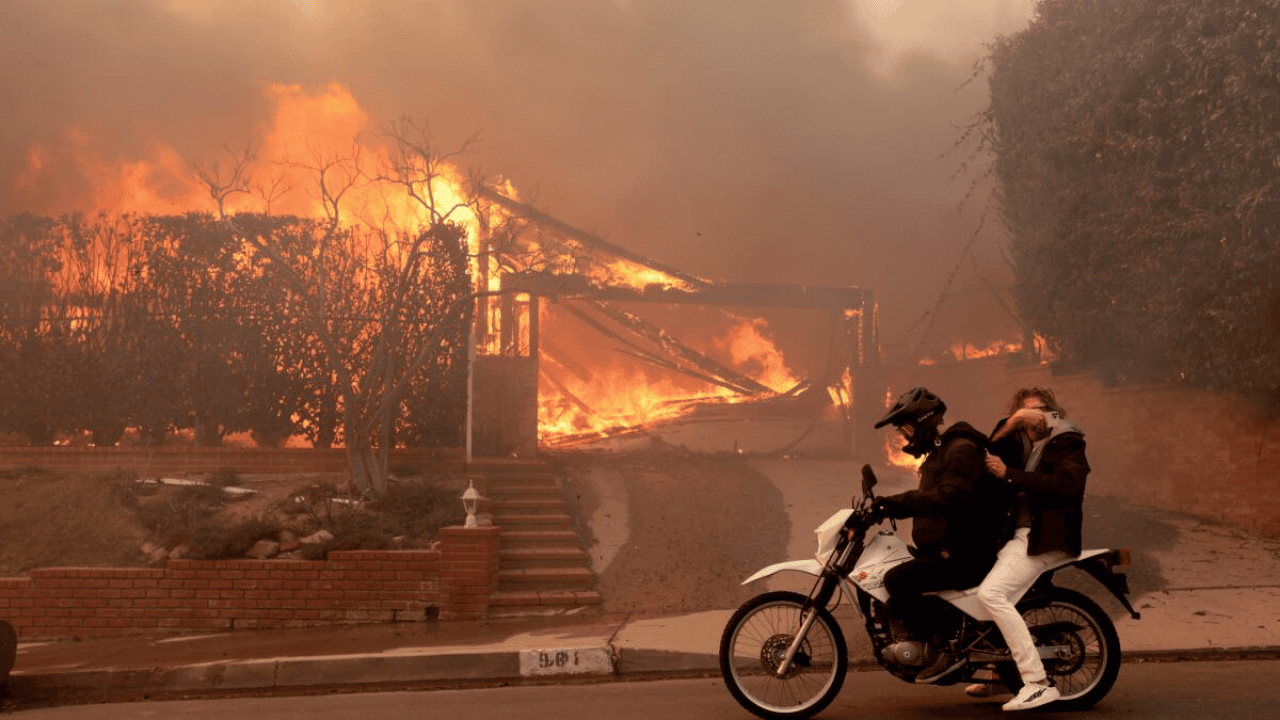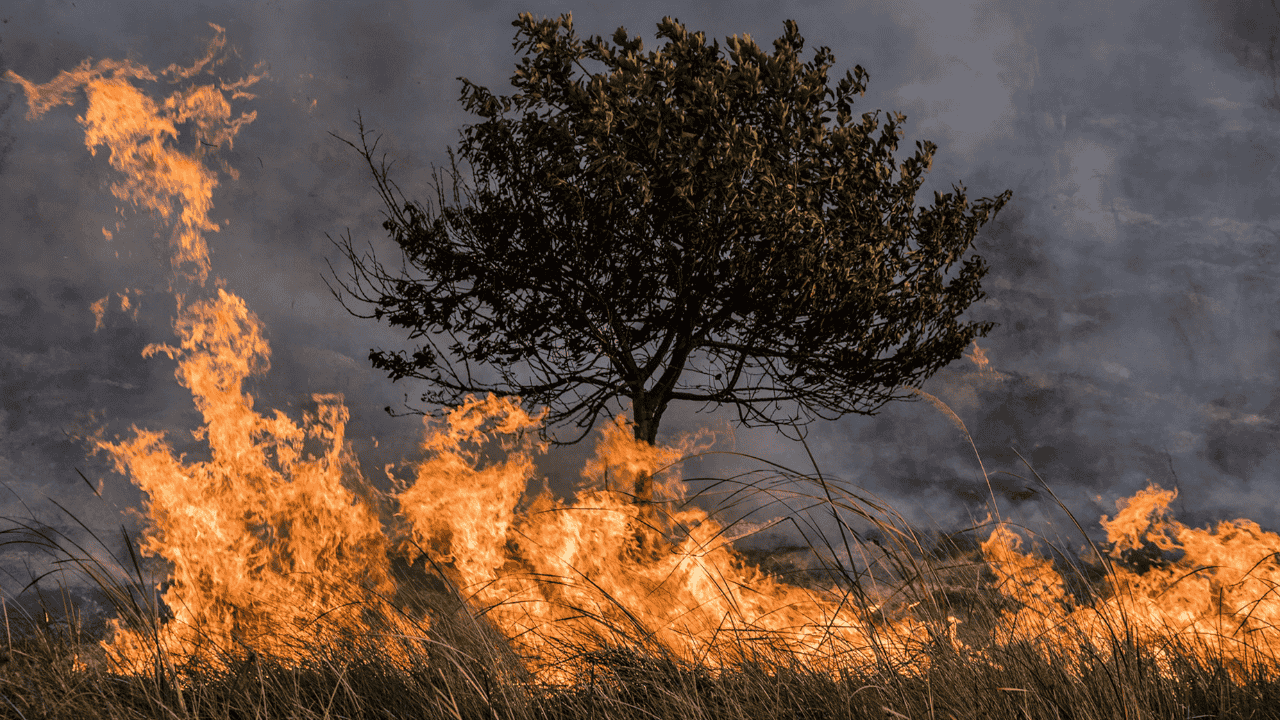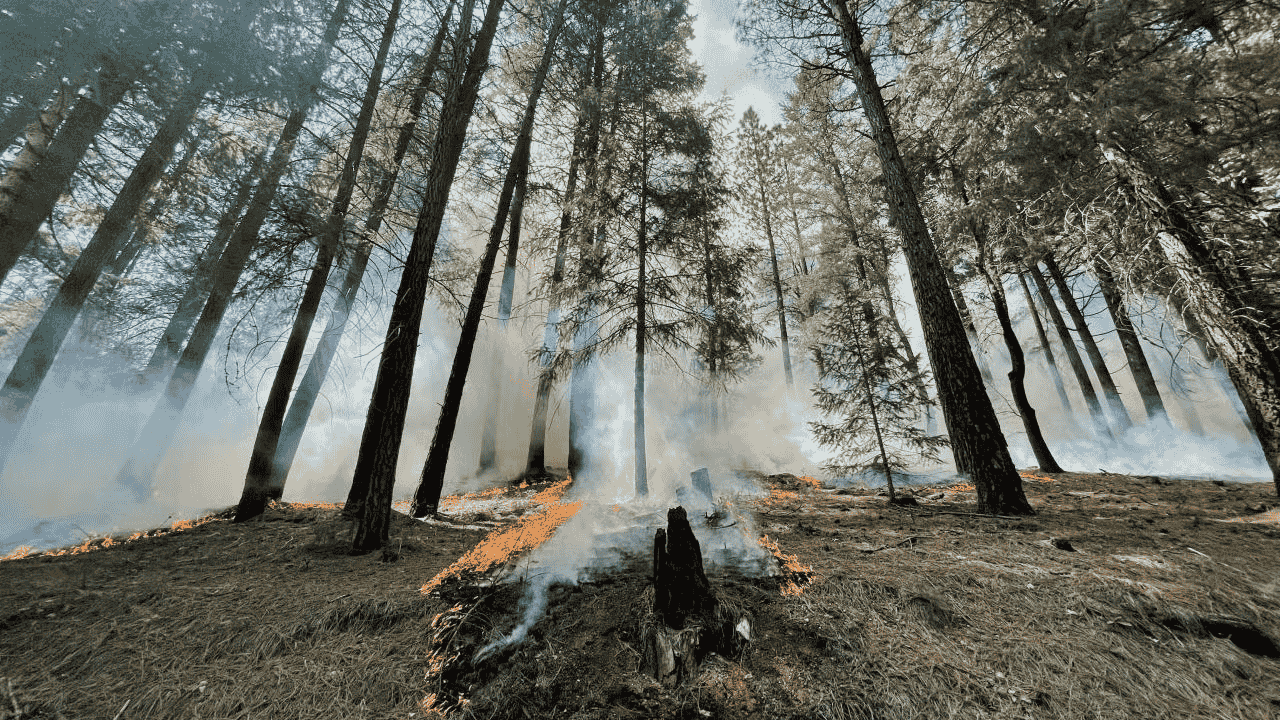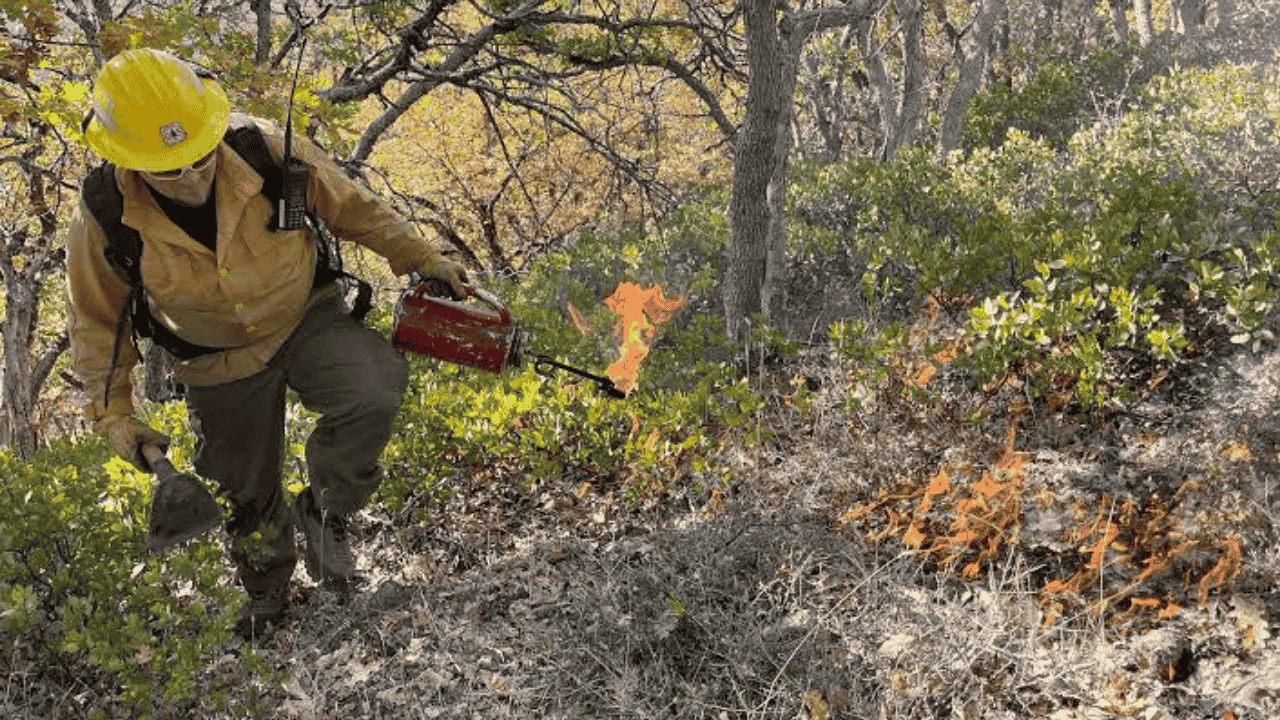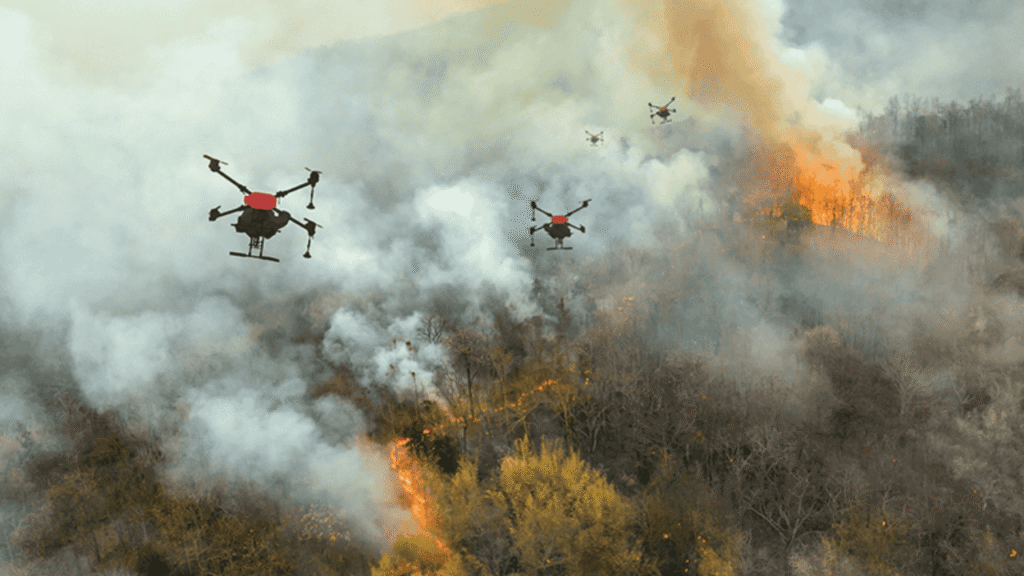
Wildfire management is rapidly evolving as advanced technologies reshape how fires are detected, analyzed, and controlled. Among the most impactful innovations are drones, satellites, and artificial intelligence, which together provide faster insights, safer operations, and more precise decision-making. As wildfire behavior becomes more unpredictable, these tools are helping agencies move from reactive suppression toward proactive, intelligence-driven management.
By combining aerial visibility, real-time data, and predictive analytics, technology-driven wildfire management improves response efficiency while reducing risk to both communities and firefighters.
Table of Contents
Technology Overview
| Technology | Primary Role |
|---|---|
| Drones | Close-range monitoring and tactical assessment |
| Satellites | Large-scale detection and tracking |
| Artificial Intelligence | Data analysis and predictive decision support |
| Core Benefit | Faster, safer, and smarter wildfire response |
| Long-Term Value | Improved resilience and reduced losses |
Aerial Monitoring
Drones have become essential tools for monitoring active wildfires. Their ability to fly over dangerous terrain allows responders to gather real-time visual and thermal data without exposing crews to direct risk.
Equipped with high-resolution cameras and infrared sensors, drones identify hotspots, track fire spread, and assess threats to nearby homes and infrastructure. This immediate insight supports tactical decisions during rapidly changing fire conditions.
Tactical Deployment
- Mapping fire perimeters in real time
- Identifying hidden hotspots and ember activity
- Assessing terrain and access routes
- Supporting night-time and low-visibility operations
Drones enhance situational awareness at the incident level, enabling more accurate and timely response actions.
Satellite Surveillance
Satellites provide a broad, continuous view of wildfire activity across vast and remote landscapes. They detect heat signatures, monitor smoke movement, and track fire growth patterns over time.
This large-scale visibility is especially valuable in regions with limited ground access. Satellite data helps agencies identify new ignitions quickly and monitor fires that span multiple jurisdictions.
Early Detection
Satellite-based systems are critical for early wildfire detection. By identifying thermal anomalies soon after ignition, satellites reduce the delay between fire start and response.
Earlier detection allows for faster mobilization of resources, increasing the likelihood of containment before fires escalate into large-scale incidents.
Artificial Intelligence Analysis
Artificial intelligence transforms raw data into actionable insight. AI systems analyze inputs from drones, satellites, weather forecasts, and historical fire data to identify patterns and risks that may not be visible through manual analysis.
AI-powered tools help predict fire behavior, estimate spread direction, and highlight areas of greatest concern, supporting more informed decision-making.
Predictive Insights
- Forecasting fire spread under changing weather conditions
- Identifying high-risk zones before ignition
- Supporting evacuation timing and route planning
- Optimizing resource allocation
Predictive insights allow agencies to anticipate fire behavior rather than react after conditions worsen.
Operational Coordination
Technology also improves coordination across agencies. Shared platforms integrate drone imagery, satellite feeds, and AI-generated models into a single operational view.
This integration ensures that all responders operate with consistent, up-to-date information, reducing confusion and improving cross-agency collaboration during complex wildfire incidents.
Safety Enhancement
Drones, satellites, and AI significantly enhance firefighter safety. By providing detailed intelligence before crews enter hazardous areas, these tools reduce exposure to unpredictable fire behavior.
Remote monitoring allows teams to assess risks, plan safer tactics, and withdraw resources when conditions become dangerous.
Infrastructure Protection
- Monitoring fire proximity to power lines and transportation corridors
- Identifying risks to water systems and communication networks
- Supporting preventive shutdowns or protective measures
- Reducing service disruptions during fires
Technology-driven monitoring helps protect critical infrastructure that communities rely on during emergencies.
Public Communication
AI-supported systems improve public alerting by analyzing fire behavior and recommending timely evacuation notices. Satellite and drone data support clearer communication about fire location and expected movement.
Accurate, timely information helps residents make informed decisions, reducing panic and improving compliance with safety guidance.
Training Advancement
Technology is also transforming wildfire training. Simulations powered by AI and real-world data allow responders to practice scenarios in realistic virtual environments.
These advanced training tools improve readiness, coordination, and adaptability before real incidents occur.
Data Integration
The true strength of modern wildfire technology lies in integration. When drones, satellites, and AI work together, agencies gain a comprehensive understanding of fire conditions from ignition through containment.
Integrated systems support faster decisions, better coordination, and more effective outcomes across all phases of wildfire management.
Future Applications
As technology continues to evolve, wildfire management will benefit from even greater automation, improved predictive accuracy, and expanded data sharing. Continued innovation will further enhance early detection, response efficiency, and community protection.
These advancements will play a critical role in addressing the growing scale and complexity of wildfire risk.
Wrapping Up
The use of drones, satellites, and artificial intelligence is redefining wildfire management. Together, these technologies provide faster detection, deeper insight, safer operations, and smarter response strategies. By transforming data into actionable intelligence, they help agencies protect lives, infrastructure, and landscapes more effectively.
As wildfire challenges intensify, technology-driven approaches are no longer optional. They are essential tools for building resilient communities and managing wildfire risk in a rapidly changing environment.