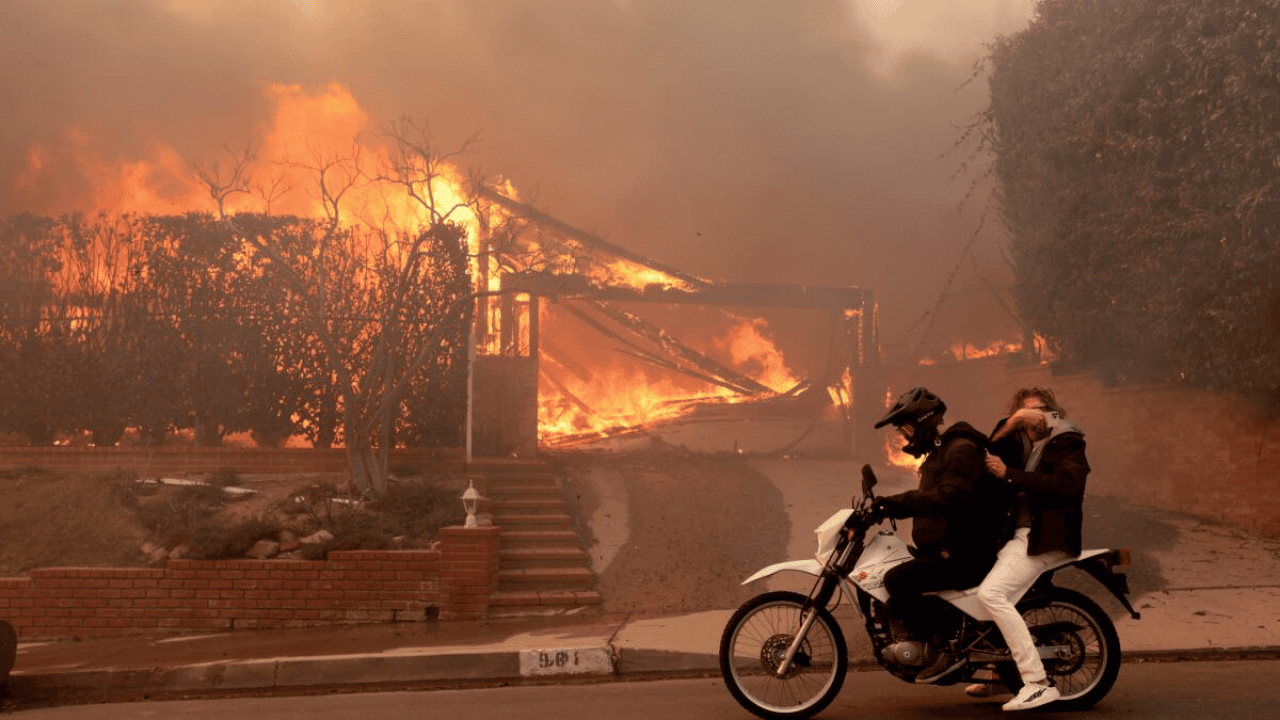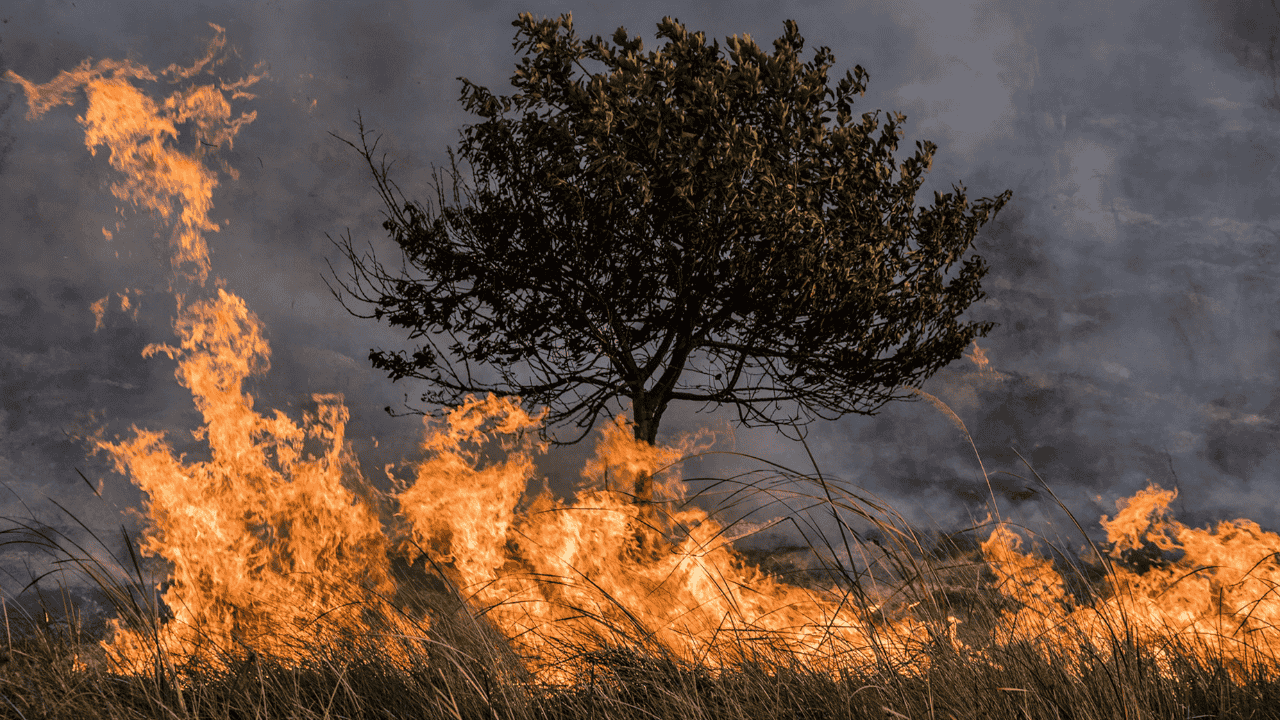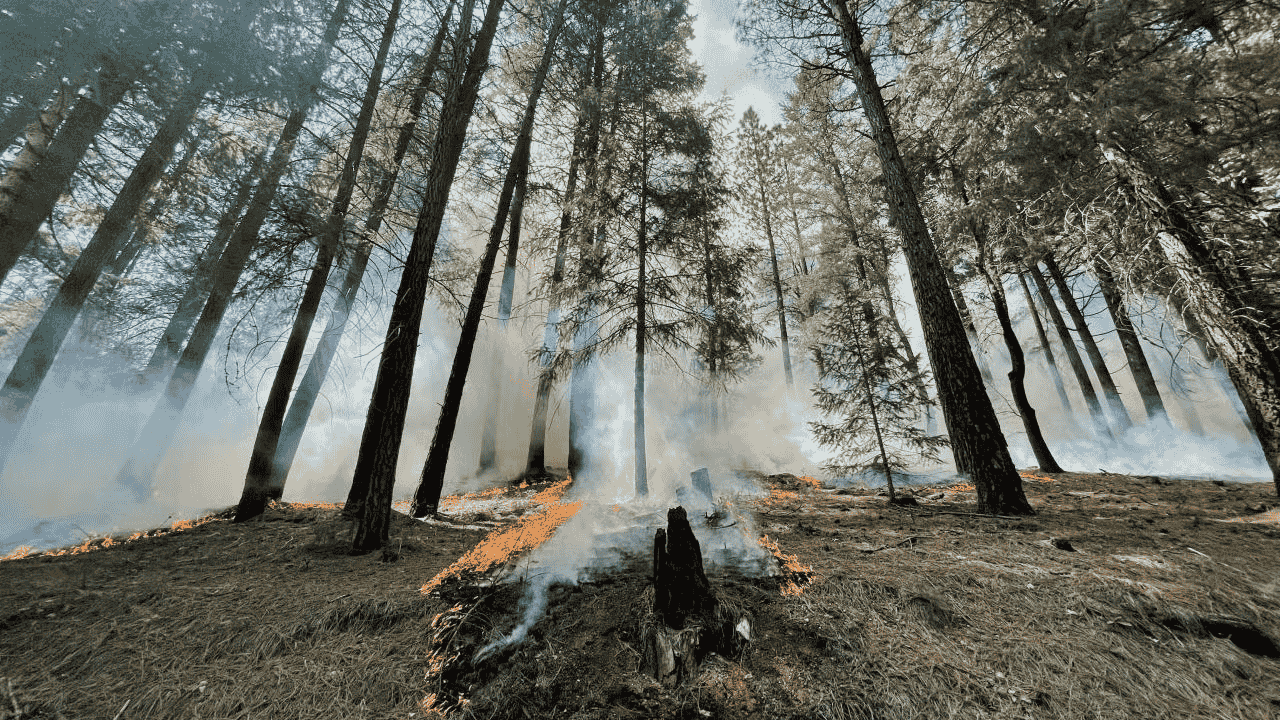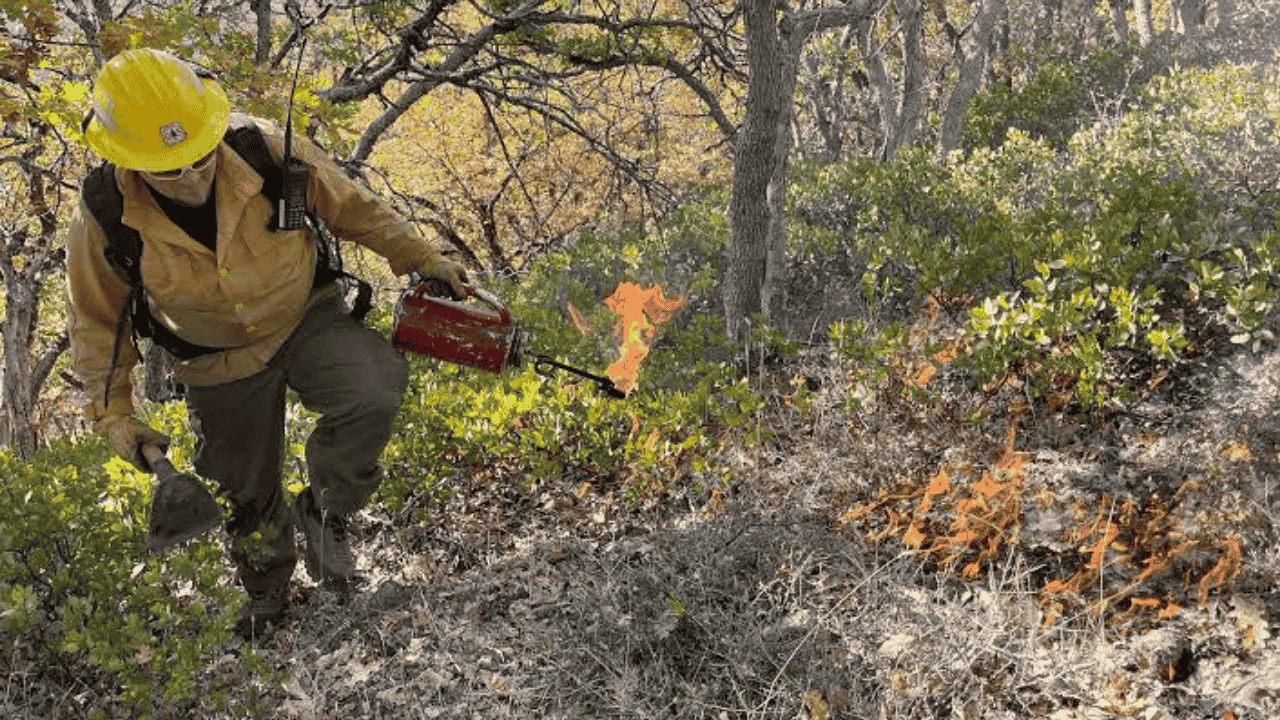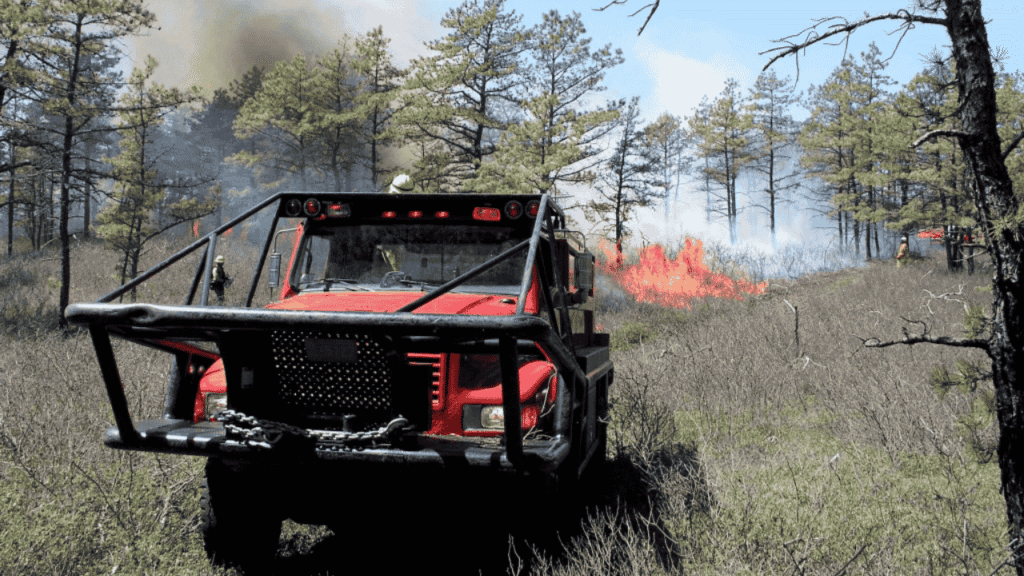
Wildfire risk in the United States has increased steadily due to climate variability, expanding development, and changing land conditions. In response, the National Cohesive Fire Strategy was designed to provide a clear, unified direction for managing wildland fire across jurisdictions. At the heart of this strategy are three core goals that guide planning, investment, and action nationwide. Understanding these goals helps communities, agencies, and stakeholders see how wildfire management is evolving from reactive suppression to long-term resilience.
Rather than treating fires as isolated emergencies, the strategy frames wildfire as a shared challenge that requires coordinated prevention, preparedness, response, and recovery efforts.
Table of Contents
Strategy Context
| Focus Area | Purpose |
|---|---|
| Guiding Framework | National wildfire management alignment |
| Core Structure | Three interrelated goals |
| Primary Emphasis | Safety, resilience, and sustainability |
| Key Participants | Federal, state, tribal, and local partners |
| Intended Result | Reduced wildfire impacts over time |
Goal One
The first goal of the National Cohesive Fire Strategy centers on restoring and maintaining resilient landscapes. Many forests and grasslands have experienced decades of fire suppression, leading to unhealthy fuel accumulation and increased fire severity.
This goal promotes active land management practices that reduce extreme fire behavior while supporting ecological health. By improving landscape conditions, fire can play a more natural role without escalating into destructive events that threaten communities and responders.
Landscape Actions
- Reducing hazardous fuel through planned treatments
- Supporting natural fire cycles where appropriate
- Improving forest and rangeland health
- Limiting conditions that lead to uncontrollable fires
These actions focus on long-term change rather than short-term suppression, helping landscapes recover faster and burn more predictably when fire occurs.
Goal Two
The second goal emphasizes fire-adapted communities—places where residents, infrastructure, and local systems are prepared to live with wildfire risk. This goal recognizes that communities located near fire-prone areas must take proactive steps to reduce vulnerability.
Fire-adapted communities are not fire-proof, but they are better equipped to withstand wildfire impacts and recover quickly. Preparation at the community level plays a critical role in reducing loss of life and property.
Community Readiness
- Promoting defensible space around homes
- Encouraging fire-resistant building practices
- Planning evacuation routes and emergency access
- Educating residents about wildfire risk
Community readiness shifts wildfire management from agency-led response to shared responsibility, where individuals and local governments actively contribute to safety.
Goal Three
The third goal focuses on safe, effective wildfire response. Even with strong prevention and preparedness efforts, wildfires will still occur. This goal ensures that when fires ignite, response efforts protect firefighters, communities, and natural resources.
Coordinated response relies on training, communication, and alignment across agencies to manage incidents efficiently and safely under rapidly changing conditions.
Response Coordination
- Prioritizing firefighter and public safety
- Aligning response objectives across agencies
- Using shared information and command structures
- Deploying resources strategically
Effective response minimizes confusion, reduces operational risk, and improves outcomes during complex wildfire incidents.
Goal Interconnection
The three goals are not independent; they are mutually reinforcing. Healthy landscapes reduce fire intensity, prepared communities lower exposure, and effective response limits damage when fires occur.
When all three goals are pursued together, wildfire management becomes more balanced and sustainable. Focusing on only one goal without the others weakens the overall strategy.
Regional Application
Although national in scope, the strategy is designed to be applied regionally. Different landscapes and communities face different wildfire challenges, requiring tailored approaches that still align with the three overarching goals.
Regional planning allows flexibility while maintaining consistency, ensuring that local actions contribute to national wildfire resilience.
Planning Integration
The three goals guide funding decisions, land management priorities, and emergency planning. Agencies use them to evaluate projects, measure progress, and adjust strategies as conditions change.
This integration ensures that wildfire investments deliver long-term benefits rather than short-lived solutions.
Measurement Approach
Success under the National Cohesive Fire Strategy is measured not only by acres burned or fires suppressed, but by broader outcomes such as reduced risk, improved preparedness, and stronger recovery.
Evaluating progress through these lenses supports continuous improvement and adaptive management.
Public Understanding
A clear understanding of the three goals helps communities engage more effectively in wildfire planning. When residents see how their actions align with national objectives, participation and cooperation increase.
Public understanding also builds trust and transparency between agencies and the communities they serve.
The Bottom Line
The three goals of the National Cohesive Fire Strategy provide a clear and balanced roadmap for addressing wildfire risk in the United States. By focusing on resilient landscapes, fire-adapted communities, and safe, effective response, the strategy moves wildfire management beyond emergency reaction toward long-term resilience.
Understanding these goals empowers communities, agencies, and individuals to work together, reducing wildfire impacts while supporting safer coexistence with fire-prone environments in the years ahead.