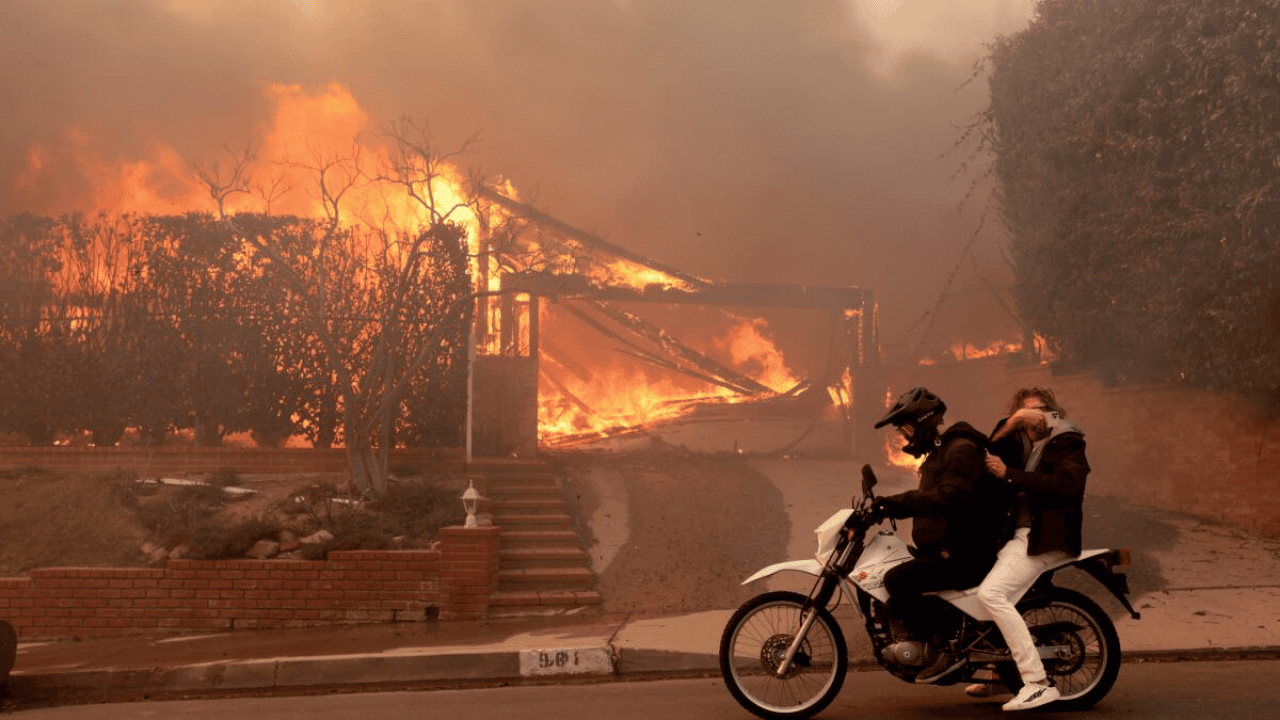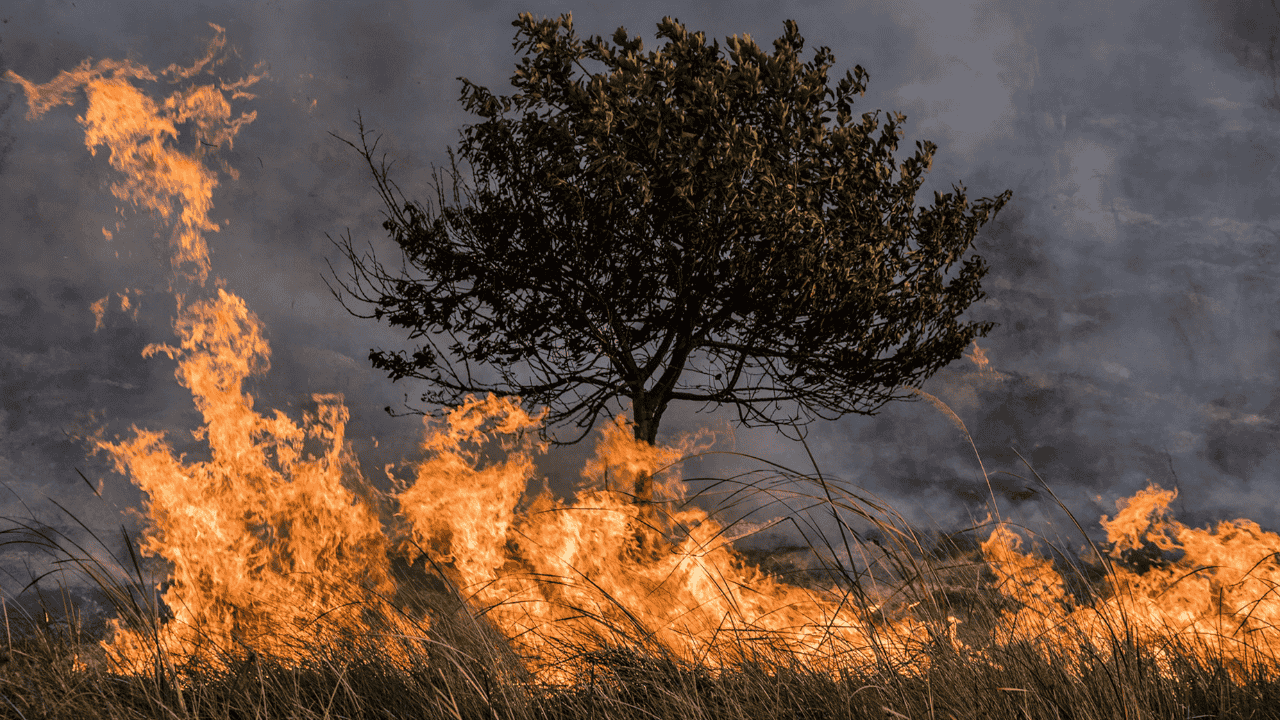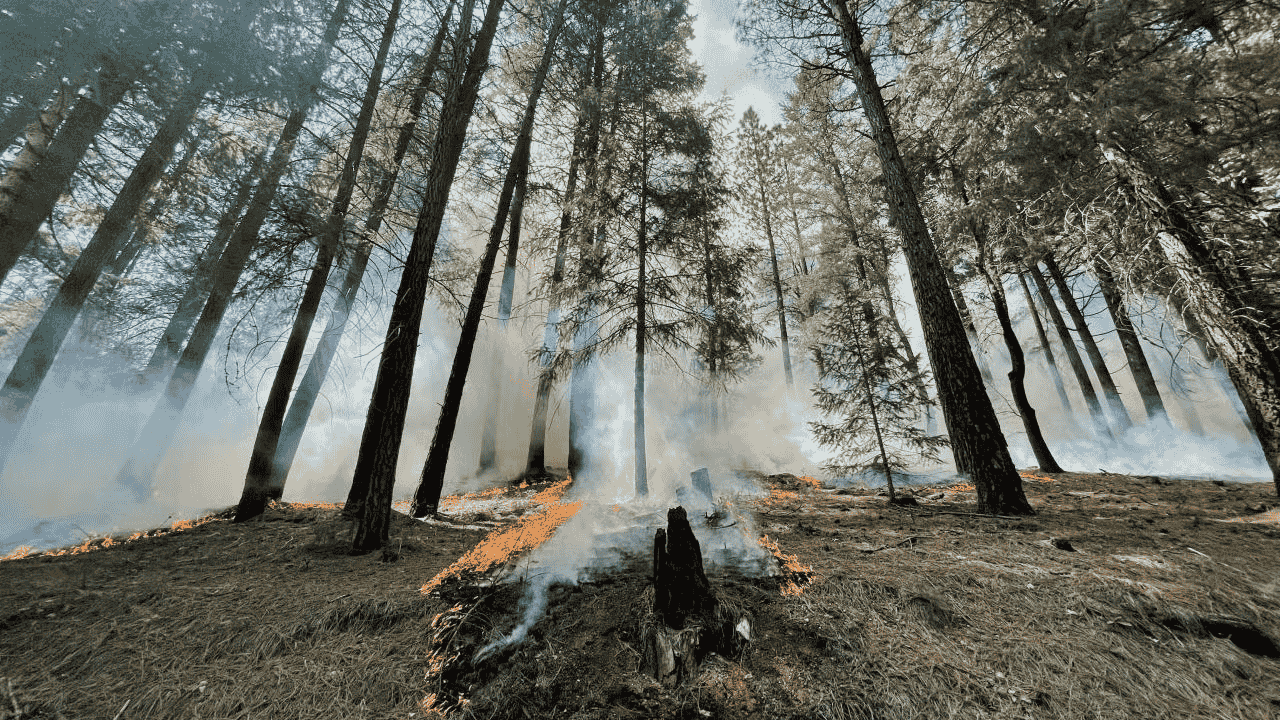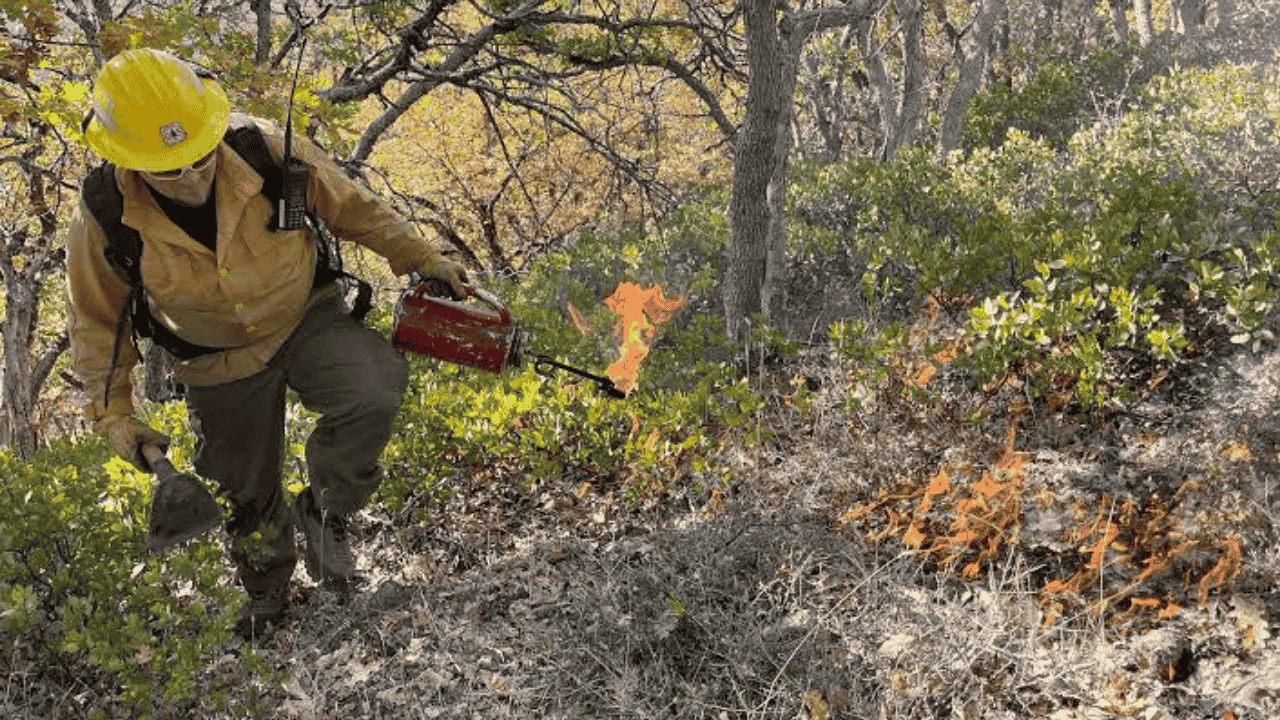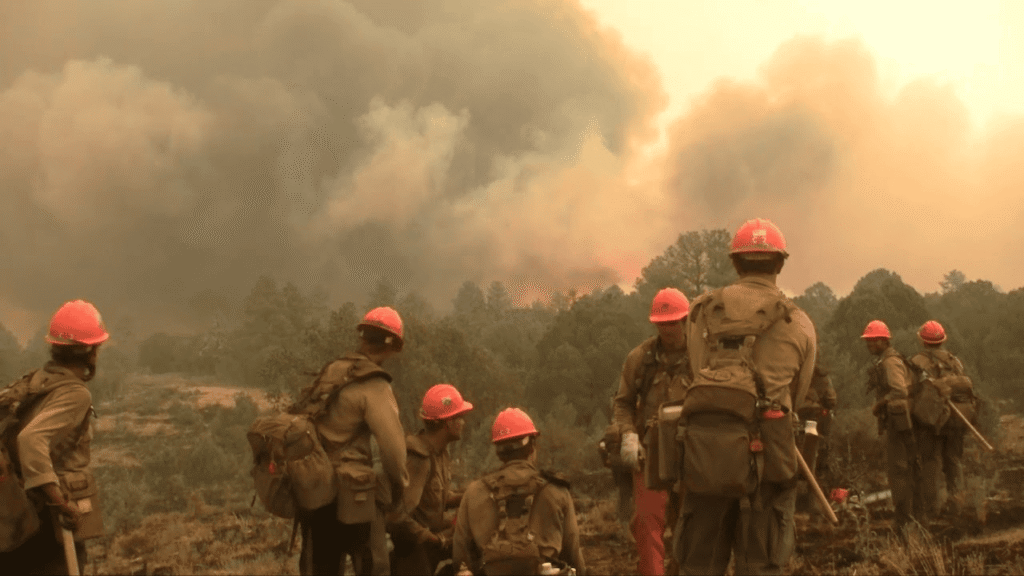
Wildfires have become one of the most complex natural challenges facing the United States, affecting communities, ecosystems, and critical infrastructure each year. To address this growing risk, the National Cohesive Wildland Fire Management Strategy was developed as a long-term, coordinated approach to wildfire management. This simple guide explains what the strategy is, why it matters, and how it supports safer, more resilient communities across the country.
Rather than focusing only on fire suppression, the strategy emphasizes shared responsibility, proactive planning, and collaboration among all levels of government and communities.
Table of Contents
Strategy Overview
| Component | Purpose |
|---|---|
| Core Vision | Safer, fire-adapted communities |
| Primary Focus | Risk reduction and resilience |
| Key Partners | Federal, state, tribal, and local entities |
| Management Approach | Prevention, preparedness, response, recovery |
| Long-Term Goal | Coexisting safely with wildfire |
National Framework
The National Cohesive Wildland Fire Management Strategy serves as a unifying framework for wildfire efforts across the United States. It brings together agencies and stakeholders who historically worked independently, encouraging them to align priorities and share responsibility.
By operating under a common framework, the strategy reduces duplication of effort and ensures that wildfire planning and response are consistent across regions. This coordinated structure strengthens national preparedness while allowing flexibility for local conditions.
Shared Responsibility
Wildfire management is no longer viewed as the sole responsibility of fire agencies. The strategy promotes shared responsibility among governments, communities, landowners, and individuals.
This approach recognizes that decisions made at the local level—such as land use planning, home construction, and vegetation management—directly influence wildfire outcomes. Shared responsibility empowers communities to play an active role in reducing risk rather than relying only on emergency response.
Risk Reduction
- Identifying high-risk landscapes and communities
- Reducing hazardous fuel through planned treatments
- Promoting defensible space around homes
- Supporting fire-resistant construction practices
Risk reduction is a central pillar of the strategy. By addressing conditions that allow wildfires to grow uncontrollably, the strategy helps prevent small ignitions from becoming large-scale disasters.
Fire Adaptation
Fire-adapted communities are those that can prepare for, withstand, and recover from wildfire with minimal long-term impact. The strategy encourages communities to adopt practices that reduce vulnerability while maintaining quality of life.
Fire adaptation includes improving building standards, planning evacuation routes, protecting critical infrastructure, and educating residents. These measures help communities coexist safely with fire-prone environments.
Landscape Resilience
Healthy landscapes are more resilient to wildfire. The strategy emphasizes restoring natural fire cycles where appropriate and managing vegetation to reduce extreme fire behavior.
This focus supports ecosystems that can recover more quickly after fire events while reducing threats to nearby communities. Landscape resilience also benefits water resources, wildlife habitats, and long-term land productivity.
Collaborative Planning
- Coordinating across federal, state, tribal, and local levels
- Aligning land management and emergency planning
- Sharing data, resources, and expertise
- Encouraging regional cooperation
Collaboration is essential to the strategy’s success. Fires do not respect jurisdictional boundaries, making coordinated planning critical for effective response and mitigation.
Science Integration
Scientific research plays a vital role in shaping the strategy. Fire behavior modeling, climate analysis, and ecological studies inform decision-making at every level.
By grounding actions in science, the strategy ensures that wildfire management practices remain adaptive and effective as environmental conditions change.
Community Engagement
Public involvement is a key element of the strategy. Communities are encouraged to participate in planning, preparedness programs, and risk reduction initiatives.
Engaged residents are more likely to take preventive actions, respond appropriately during emergencies, and support long-term resilience efforts. Community engagement also builds trust between agencies and the public.
Response Alignment
During active wildfire incidents, the strategy supports coordinated response efforts that prioritize firefighter safety, community protection, and efficient use of resources.
Aligned response planning improves communication, reduces confusion, and ensures that agencies operate with shared objectives under unified command structures.
Recovery Support
Wildfire recovery is addressed as part of the overall strategy, not an afterthought. Recovery planning includes rebuilding communities, restoring landscapes, and reducing future risk.
By integrating recovery into wildfire planning, the strategy helps communities rebuild stronger and more resilient than before.
Long-Term Vision
The National Cohesive Wildland Fire Management Strategy is designed for long-term impact. It acknowledges that wildfire risk will continue to evolve and that adaptive planning is essential.
This long-term vision supports continuous learning, improvement, and collaboration, ensuring that wildfire management keeps pace with changing environmental and social conditions.
In Summary
The National Cohesive Wildland Fire Management Strategy provides a clear, coordinated approach to managing wildfire risk across the United States. By emphasizing shared responsibility, risk reduction, fire-adapted communities, and resilient landscapes, the strategy moves wildfire management beyond emergency response toward sustainable coexistence with fire.
As wildfire challenges grow, this cohesive strategy offers a practical roadmap for protecting lives, communities, and natural resources—today and into the future.